
The Malagasy government has adopted a revised finance law (LFR) for the second half of 2026, removing tax exemptions on imported rice and second-hand clothing. The objective is unambiguous: generate additional revenues to restart a public investment programme whose execution rate remains alarming. The measure follows the first budget review held in six years — itself a signal of how deep governance failures run.
Execution Rates That Speak for Themselves
First-half 2026 figures tell a stark story. Of the 6,875.87 billion ariary in external financing programmed for the public investment programme (PIP), only 8.84% was actually disbursed — 608.53 billion ariary. The situation is slightly better for domestic financing (24.84% executed), but domestically funded infrastructure also shows significant delays, with only 32.41% execution on planned works.
Prime Minister Mamitiana Rajaonarison stated during the review that infrastructure investment execution was 'very weak', while acknowledging that some concrete achievements had still been recorded. Finance Minister Dr Herinjatovo Aimé Ramiarison identified procedural delays and land compensation processes for displaced communities as the primary disbursement bottlenecks.
The Cost of Inaction: 2% of GDP per Year
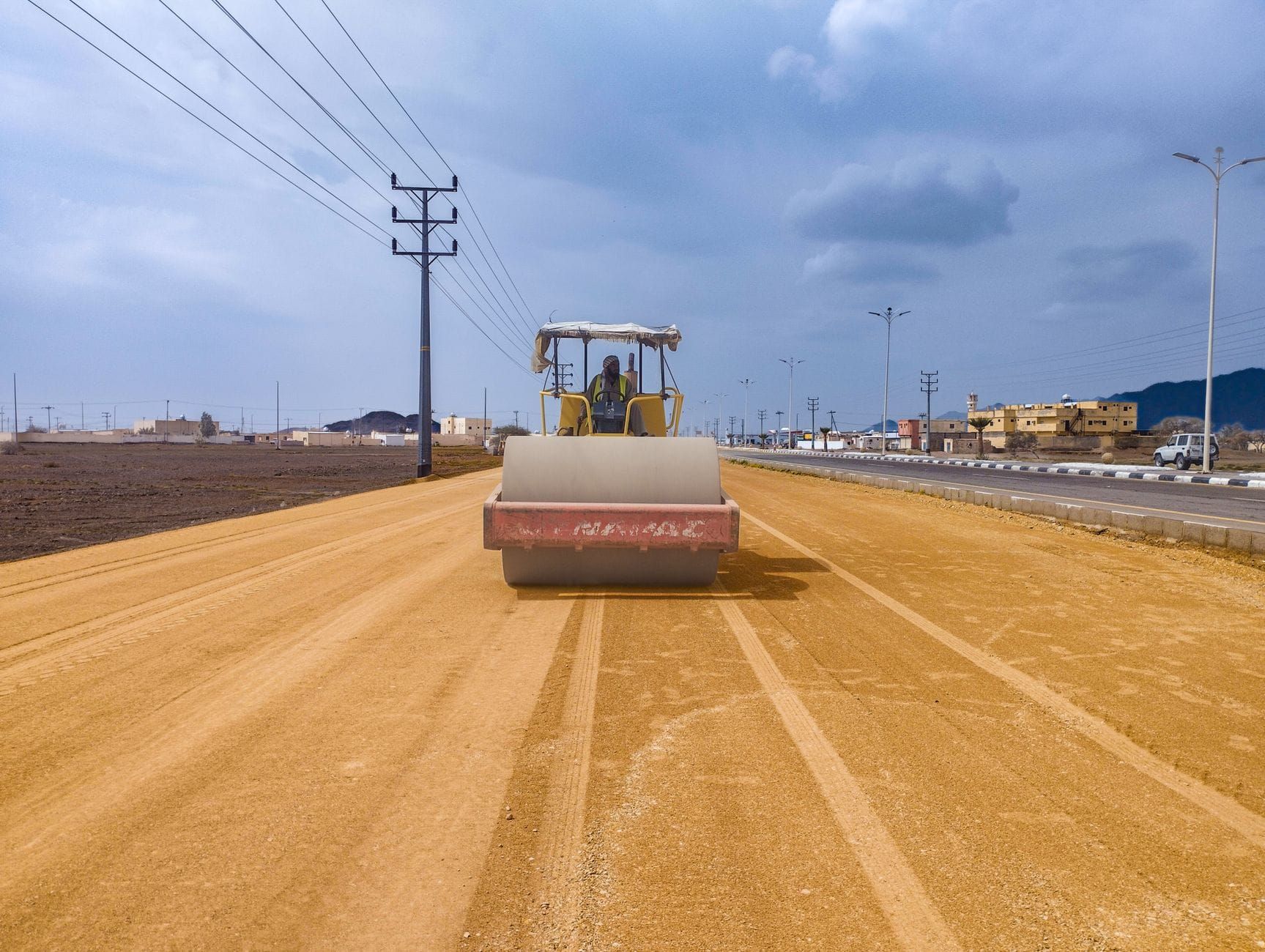
The Finance Ministry highlighted a critical figure: poor road conditions cost Madagascar approximately 2% of GDP annually in lost productivity and agricultural competitiveness. For context, fiscal revenues had declined 10% in Q1 2026 compared to 2025, before recovering by 6% in the second quarter. Cyclones Fitia and Gezani also damaged recently built infrastructure, deepening the financing gap.
Why It Matters
Removing exemptions on rice and second-hand clothing is a politically sensitive choice — these are staple goods for a large portion of the Malagasy population. But the government is betting that increased fiscal revenues will unlock infrastructure projects whose economic value far exceeds the social cost of the measures. The real question remains absorption capacity: without reform of disbursement procedures and procurement processes, more revenues do not automatically mean more paved roads.