
The World Bank has allocated $200 million to Madagascar as part of a Multimodal Logistics Program. The goal: modernise the Antananarivo-Toamasina rail corridor, ports and airports to cut transport costs and prepare the Great Island for climate shocks.
A strategic corridor to rehabilitate
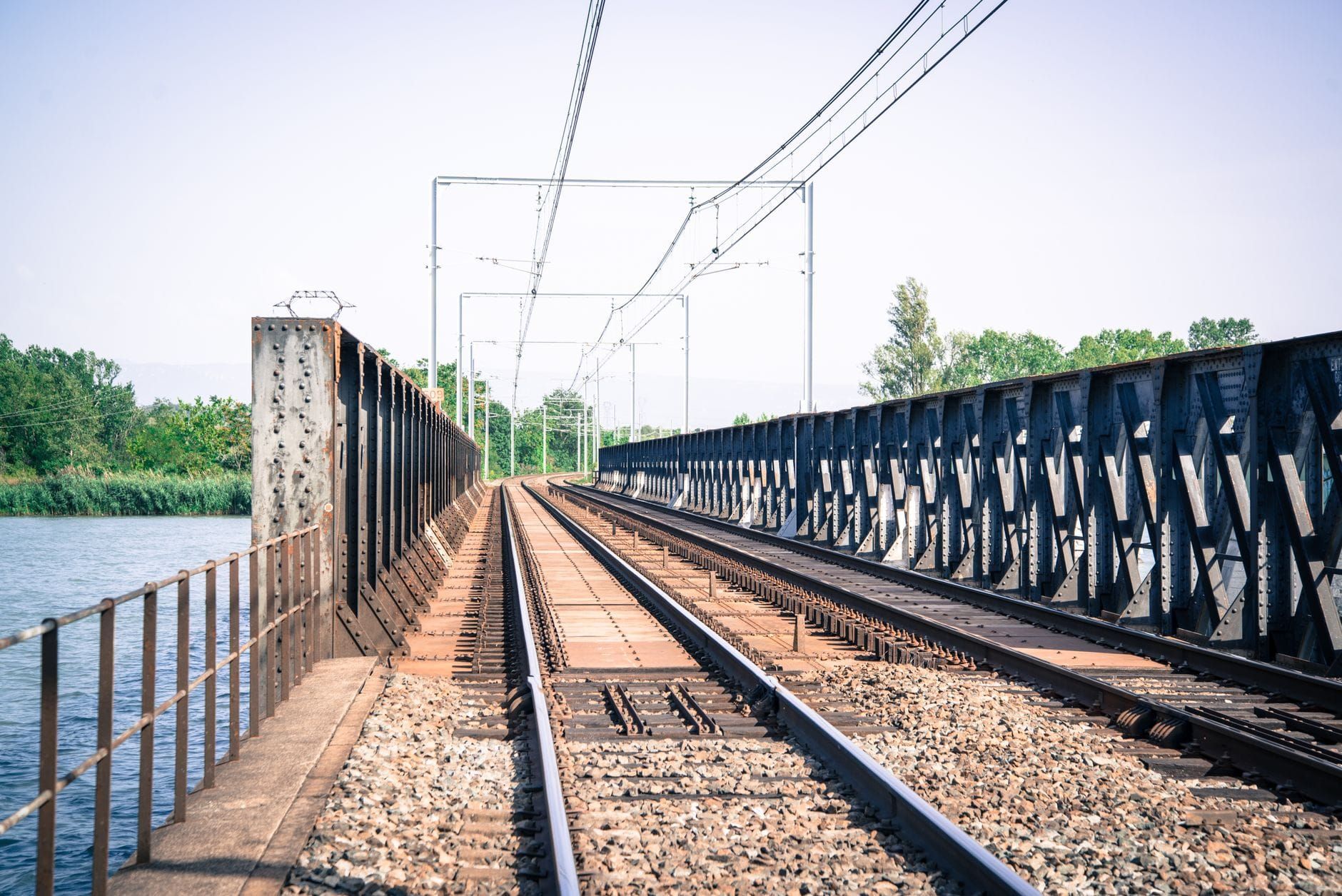
At the heart of the programme is the rehabilitation of the railway connecting the capital Antananarivo to the main seaport of Toamasina on the east coast. This corridor is the backbone of freight and passenger transport between the highlands and the coast. Its upgrade aims to reduce logistics delays and costs that currently weigh on Malagasy exporters' competitiveness.
Four priority intervention areas
The $200 million investment targets four areas: railway networks, port facilities, airport systems, and climate-resilient connectivity. For a country regularly struck by cyclones and flooding, climate resilience is explicitly built into project specifications — including solar-powered systems at transport hubs.
Tourism and trade: the expected beneficiaries
Infrastructure improvements are also designed as a tourism lever. The programme aims to ease access to major natural sites including Isalo National Park, Nosy Be, and the Avenue of the Baobabs. By making these destinations more accessible, Madagascar hopes to expand its visitor capacity and position the island as an international sustainable ecotourism destination.
Local jobs on the horizon
The World Bank and the Malagasy government anticipate direct job creation in logistics, infrastructure maintenance, and engineering. The programme is presented as a long-term structural investment — not a simple rehabilitation — with an objective of transforming the national logistics chain.
Why it matters
Madagascar is projected to grow 6% in 2026 (AfDB) but struggles to attract private investment, held back by infrastructure costs and quality. This $200 million World Bank programme sends a strong signal: it credibilises the Great Island's trajectory and may open the door to further regional financing — IOC, EU, AfDB — on complementary projects.