
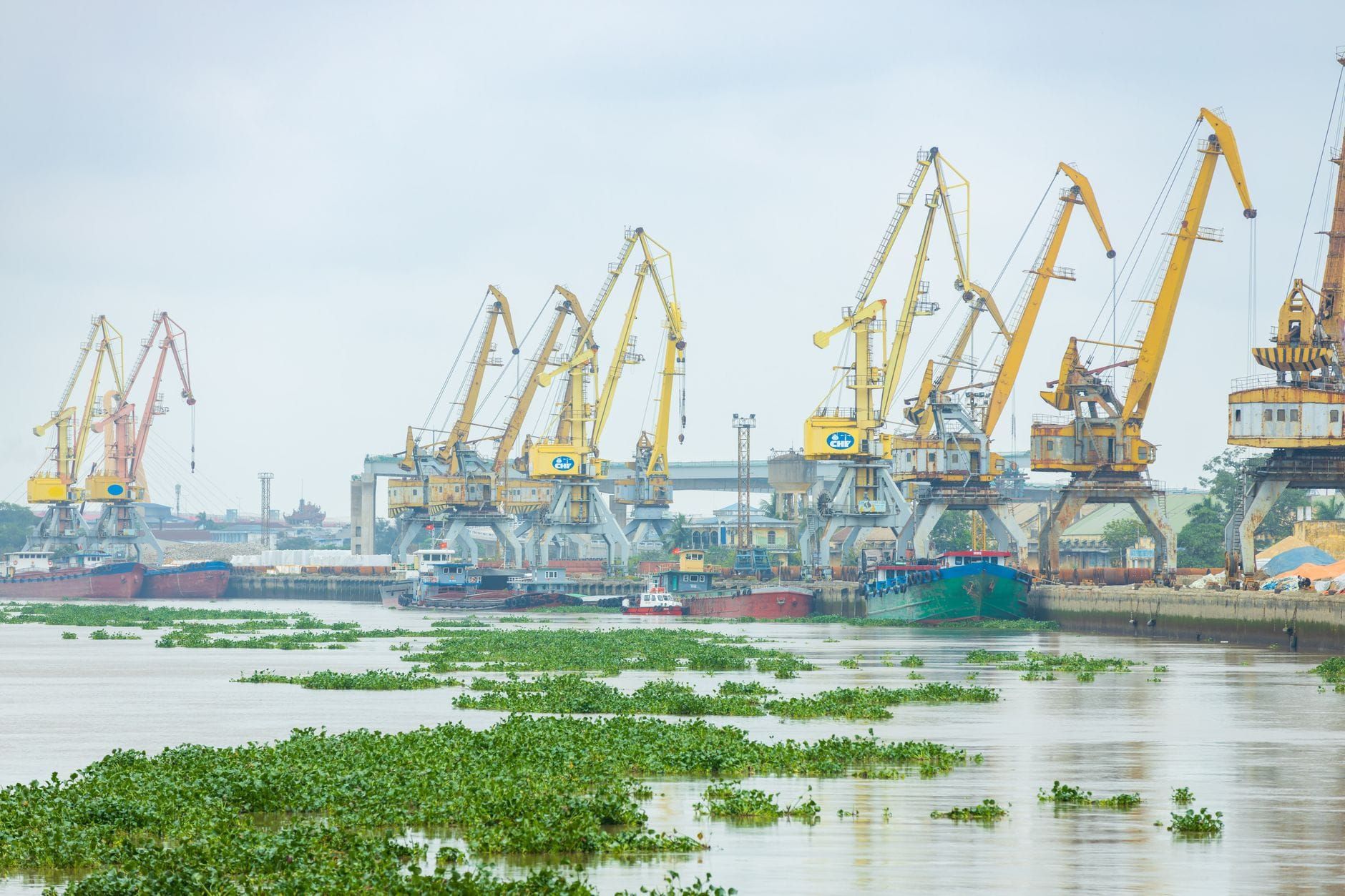
The World Bank Group approved on 28 April 2026 a financing of $200 million to renovate Madagascar's transport infrastructure. Railway, ports, river canal, regional airports: the entire logistics network of the Great Island is in scope.
A Transport Network That Needs Rebuilding From the Ground Up
This financing — complemented by co-financing from the Asian Infrastructure Investment Bank (AIIB) — is part of a total transport support programme exceeding $1.1 billion. Priority projects include:
The Antananarivo–Toamasina railway (371km) connecting the capital to the country's main port, to be rehabilitated to facilitate goods flows to regional markets. The Pangalanes Canal (200km along the eastern coast), a historic waterway fallen into disuse, to be restored. The ports of Majunga (north-west) and Tuléar (south-west) plus a dry logistics platform near Antananarivo, to be modernised. The regional airports of Toamasina, Fort-Dauphin and Tuléar to be upgraded.
3.8 Million Malagasy People Directly Benefiting
According to World Bank projections, this programme will directly benefit 3.8 million people in currently isolated areas. Without functional roads, ports and railways, farmers, industrialists and tourism operators cannot make their activities profitable — and private investment remains deterred by prohibitive logistics costs.
A Strong Signal for Private Investors
The approval of such a financing volume by the World Bank sends a clear message to the private sector. Madagascar is often described as a country of high potential but high logistics risk. Modernising the transport network directly reduces that risk and creates the conditions for regional and international operators to unlock its mining, agricultural and tourism resources.
Why It Matters
$200 million will not solve all of Madagascar's infrastructure challenges. But it marks a change of pace. For Mauritian, Reunionese and Indian Ocean businesses eyeing the Great Island as an expansion territory, every rehabilitated rail kilometre and every modernised port berth concretely reduces the cost and risk of investing in Madagascar.