
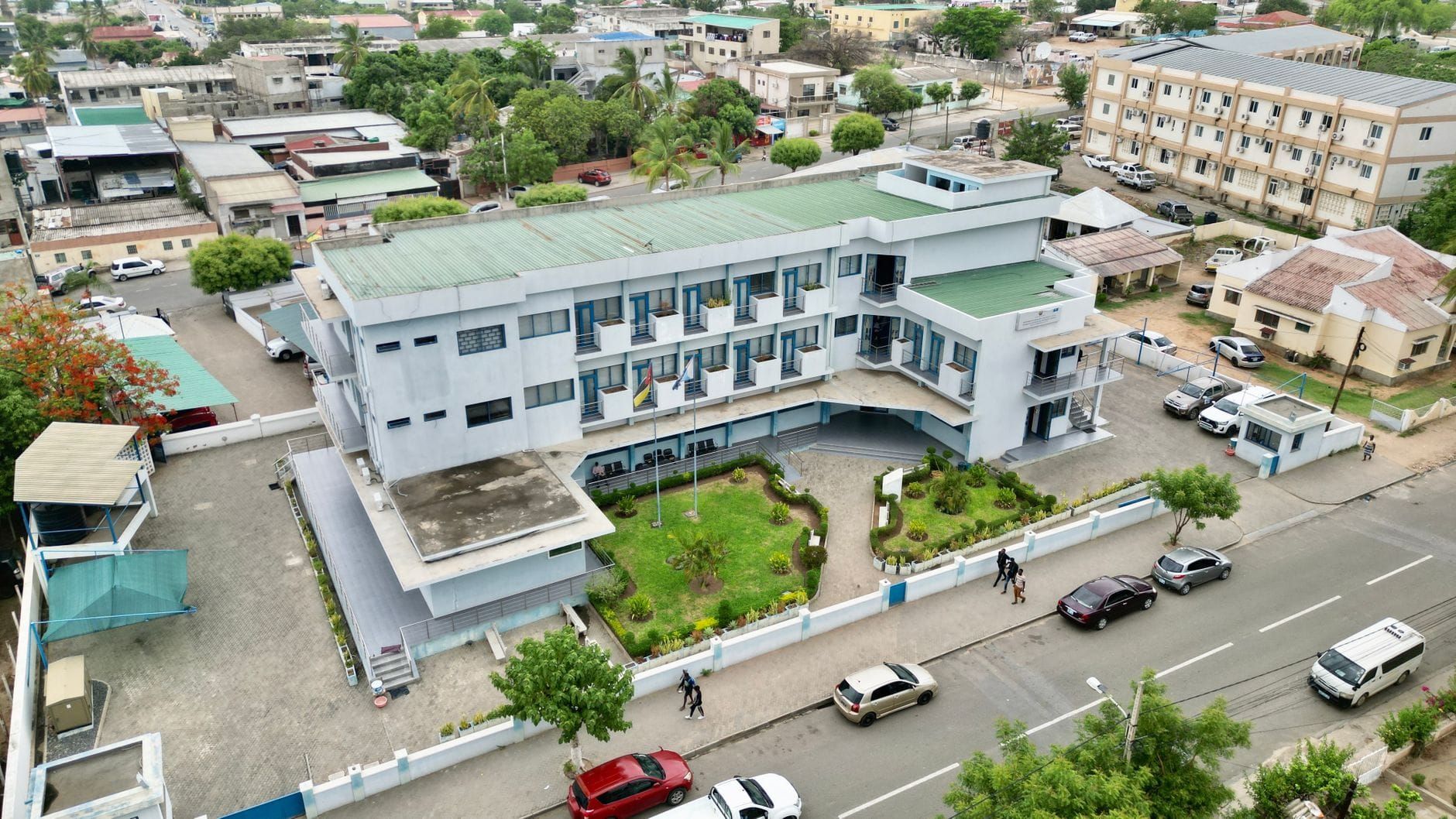
The African Development Bank (AfDB) Board of Directors has approved a $68 million financing package for the second phase of the Financial Management and Economic Resilience Support Programme in Madagascar. The package is designed to strengthen public financial governance, expand fiscal space, and make the country more attractive to investors.
A two-phase programme totalling $136 million
Phase two breaks down into two tranches: a $27.2 million concessional loan from the African Development Fund (ADF) and a $40.8 million facility from the Transition Support Facility. Across both phases, the programme totals $136 million — one of the AfDB's most significant governance-focused commitments in Madagascar.
Phase one already delivered concrete results: a modern national tax administration system deployed across the country, and the launch of a national anti-corruption strategy running through 2030.
Energy, taxation, public-private partnerships
Phase two targets three main areas. On taxation, the goal is to raise tax revenues from 10.5% to 12% of GDP by end-2026. On energy, the programme envisages the creation of an independent electricity regulator and a National Fund for Sustainable Energy, with direct financing for off-grid and rural electrification. On investment frameworks, a reformed PPP law will provide legal certainty for investors in clean energy and infrastructure.
A signal to investors
Adam Amoumoun, AfDB Country Manager for Madagascar, noted that Madagascar 'has demonstrated the political will and institutional capacity' to carry out reforms. The new government, formed in March 2026, reaffirmed its reform commitments — a reassuring signal for international partners.
Why it matters
With tax revenues among the lowest in Sub-Saharan Africa at 10.5% of GDP, Madagascar cannot fund its infrastructure or public services without excessive borrowing. This programme targets the root of the problem: inadequate taxation and an unclear investment framework. If the targets are met, the leverage effect will be significant — each additional GDP point in tax revenue represents roughly $170 million in annual resources for a state that critically needs them.
Source: African Development Bank / DevelopmentAid, 2026.