
On July 30, 2026, a high-level Malagasy delegation travelled to Cairo for a roundtable organised by GAFI — Egypt's General Authority for Investment and Free Zones. Six Malagasy ministers, around ten national business leaders and some forty Egyptian investors gathered to explore bilateral cooperation opportunities. The outcome: a formal cooperation agreement signed between GAFI and Madagascar's EDBM (Economic Development Board), marking the first structured milestone of a partnership that has yet to deliver concrete projects.
An investment call at the highest level
Colonel Michaël Randrianirina, head of the Malagasy delegation, sent a clear message to those present: « This is the moment to invest in Madagascar. Bring your capital, your expertise and your experience. » He was specific about Antananarivo's expectations: Madagascar is seeking « complete, well-structured and sustainable projects » rather than simple financial contributions with no local roots.
Egyptian Investment Minister Mohamed Farid welcomed the event as « an important step in establishing sustainable economic relations between the private sectors of both countries. » Both nations share membership of COMESA — the Common Market for Eastern and Southern Africa — which facilitates bilateral trade and regulatory flows.
200,000 jobs at risk in free zones
Behind the diplomatic statements lies a more pressing economic reality. The Groupement des entreprises franches et partenaires (GEFP) has warned that 200,000 direct jobs in Madagascar's free processing zones are currently at risk due to regulatory instability and new fiscal obligations introduced between 2023 and 2026. This figure underscores the urgency for Antananarivo to secure a predictable investment framework capable of attracting and retaining foreign capital on a lasting basis.
Egypt's agricultural model on display
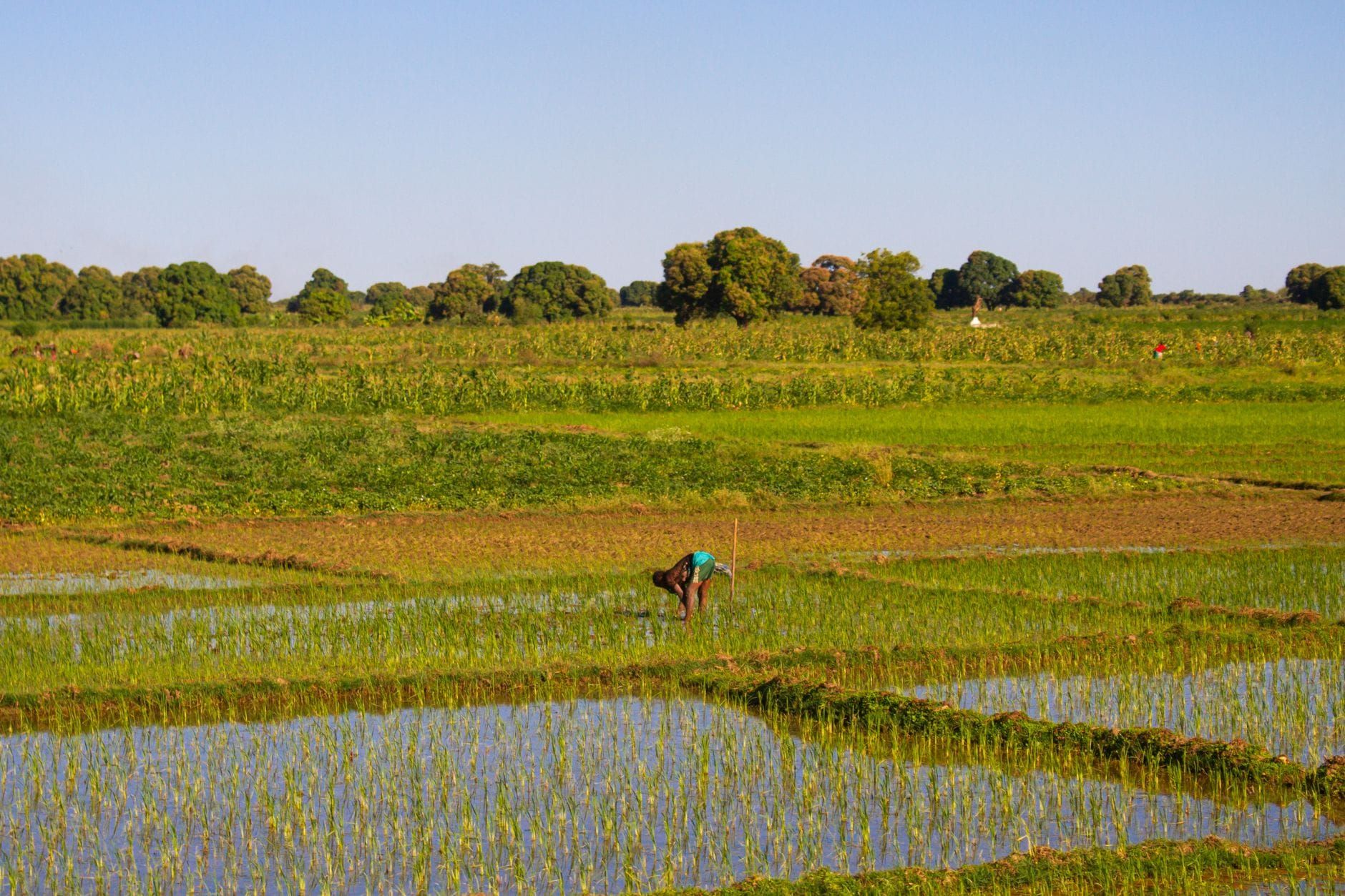
To showcase its expertise, the Egyptian delegation presented the « Future of Egypt » agricultural complex: several thousand hectares developed, 1,800 greenhouses in operation, approximately 360,000 jobs generated, and an integrated supply chain spanning seeds, vegetables, fruits, sugarcane and agro-industrial processing. Cairo is proposing to adapt elements of this model to Madagascar's agricultural potential — a sector representing more than 22% of the island's GDP according to the World Bank.
Why it matters
Madagascar is seeking to diversify its economic partners amid fiscal fragility and mounting pressure on its free zones. The partnership with Egypt — a rapidly expanding agricultural and industrial power — could open new investment corridors, provided these commitments move from diplomatic to operational territory. The 200,000 jobs at risk impose a tight timeline on Malagasy negotiators.