
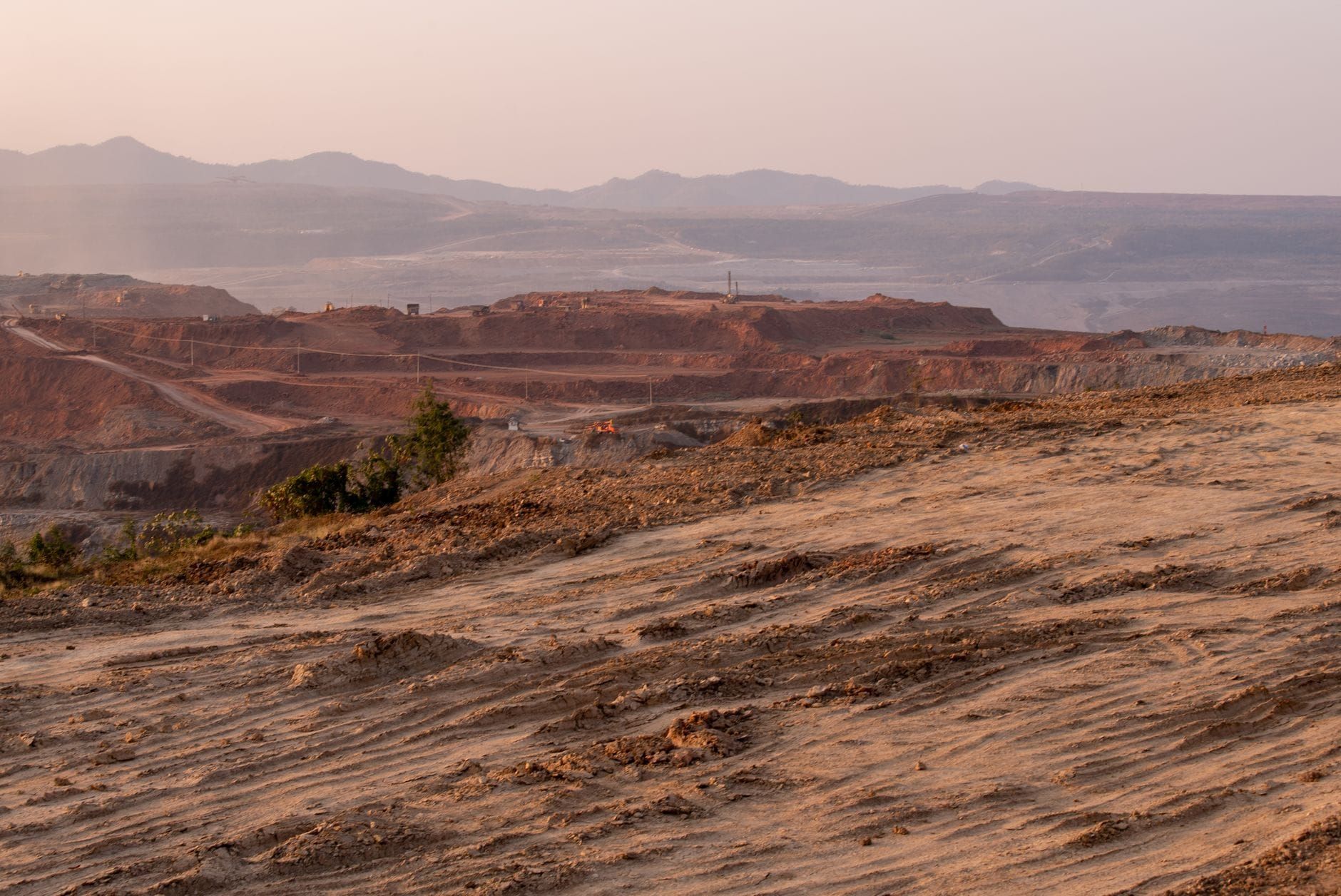
Madagascar has become Africa's top graphite producer. Yet almost all of the ore leaves the island unprocessed. A landmark industrial opportunity that policymakers are only now beginning to address.
Africa's Mining Champion Without the Value
In 2024, Madagascar extracted 85,000 tonnes of graphite, overtaking Mozambique to claim the continental lead. In 2025, output held at around 80,000 tonnes. Malagasy graphite feeds into electric vehicle battery supply chains and other strategic industrial applications — but those value chains are being built abroad, not on the island.
The NextSource Paradox: Mine in Madagascar, Factory in Abu Dhabi
The most telling example is NextSource Materials, operator of the Molo mine in southern Madagascar. The company extracts locally but has chosen to invest $291 million in a processing facility in the United Arab Emirates. The logic is economically sound — cheaper energy, more reliable infrastructure — but the decision strips Madagascar of skilled jobs, tax revenues, and industrial know-how.
Rare Earths: The Same Exporter's Logic
Energy Fuels' Vara Mada project plans to extract 959,000 tonnes of ilmenite, 66,000 tonnes of zircon, and 24,000 tonnes of monazite per year over 38 years. Once again, the target markets are in the United States and Asia, with no domestic refining plan. Tirupati Graphite, running two mines in the Toamasina region, follows the same purely export-oriented model.
The Energy Bottleneck
Why so little local processing? The answer comes down to one word: energy. Madagascar faces a chronic power deficit that makes refining projects uncompetitive. The former Mines Minister was blunt: 'Processing requires a lot of energy.' Without massive investment in electricity generation — geothermal, solar, hydroelectric — the vicious cycle will persist.
Why It Matters
In a world where critical minerals have become geopolitical assets, Madagascar holds significant cards: graphite, rare earths, nickel, cobalt. These are precisely the resources the global energy transition demands. But without an assertive industrial policy — local processing requirements, tax incentives, energy investment — the island risks remaining a raw material supplier, leaving the most lucrative share of the value chain to others.
Sources: Agence Ecofin, June 2026 · 2424.mg · AllAfrica, May 2026