
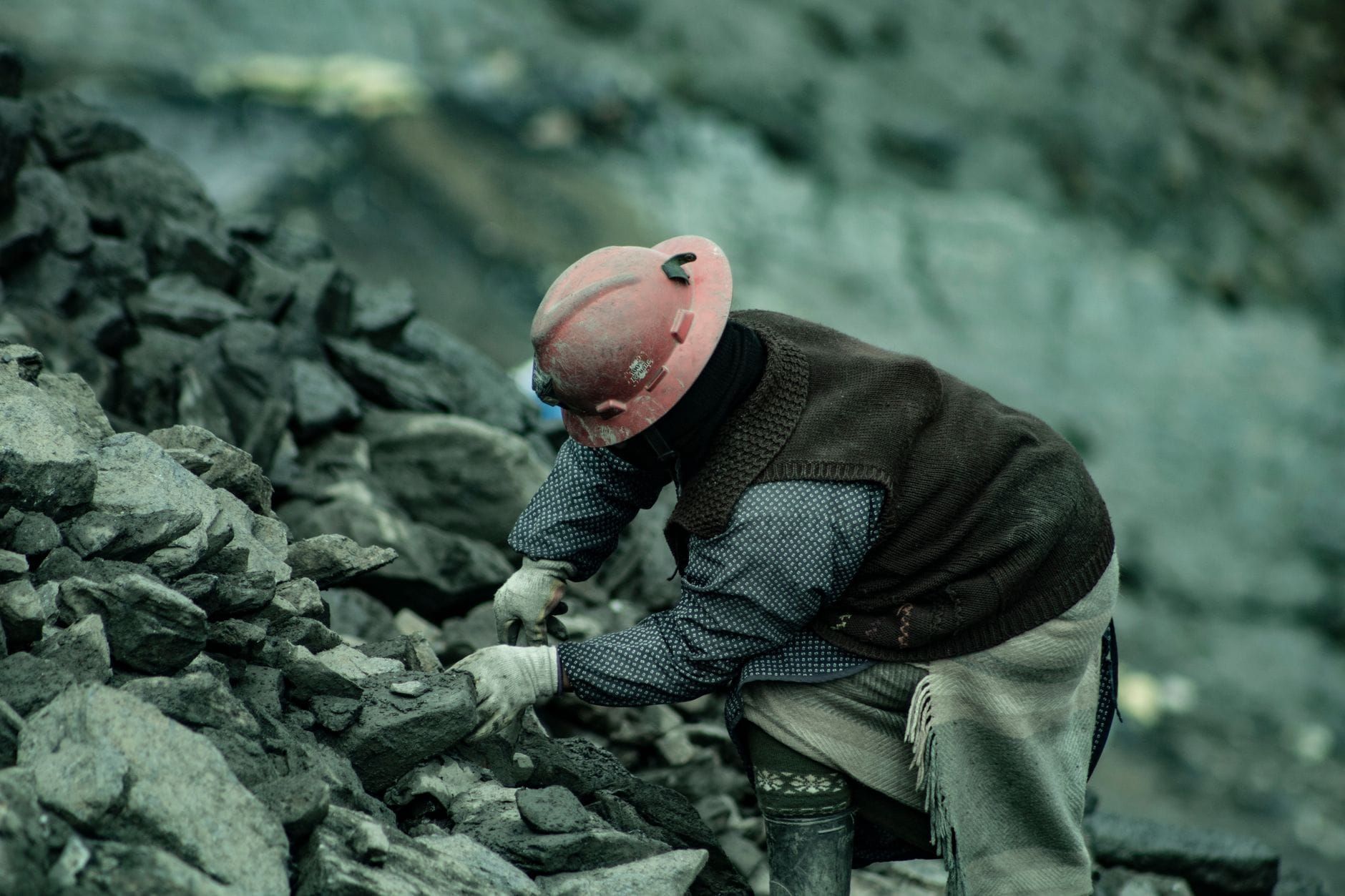
After sixteen years of freeze, Madagascar's mining industry is breathing again. In January 2026, the new authorities officially lifted the moratorium on mining permits, opening the door to more than 1,650 accumulated applications and a potential foreign direct investment of $10–15 billion, according to sector analysts (discoveryalert.com).
A strategic subsoil for the global energy transition
Madagascar holds considerable mining assets. The country ranks in the global top 10 for nickel, with 8.2 million tonnes of identified resources — a metal whose battery demand is projected to triple or quadruple by 2040, driven by the electric vehicle boom. Malagasy graphite, particularly valued for lithium-ion batteries, positions the island as the world's leading non-Chinese supplier at a time when Western supply chains are actively diversifying sources.
The Ambato-Arana graphite project (LION Energy) received a decisive boost in 2026 with the lifting of a sixteen-year permit suspension, a strong signal to international investors.
An underexploited sector
Despite these resources, the mining sector currently accounts for less than 5% of GDP. Informality remains a major challenge: while Ghana has formalised 65% of its artisanal gold sector, Madagascar still operates at below 5% formalisation in gold — a structural weakness the new authorities have committed to address.
Energy Fuels, with its Toliara project (titanium/zirconium), expects a final investment decision in 2026, which could trigger a domino effect on other pending files.
Why it matters
For the Indian Ocean region, Madagascar's mining reopening is a shared opportunity. Mauritius, Seychelles and Réunion all stand to benefit as service, finance and logistics partners for emerging projects. Globally, Madagascar holds a rare card: that of a credible non-Chinese player in the critical minerals needed for decarbonisation. The question is no longer whether the potential exists — it is documented — but whether infrastructure, governance and political stability will follow through.
Sources: discoveryalert.com, africanminingmarket.com, capmad.com — 2026.