
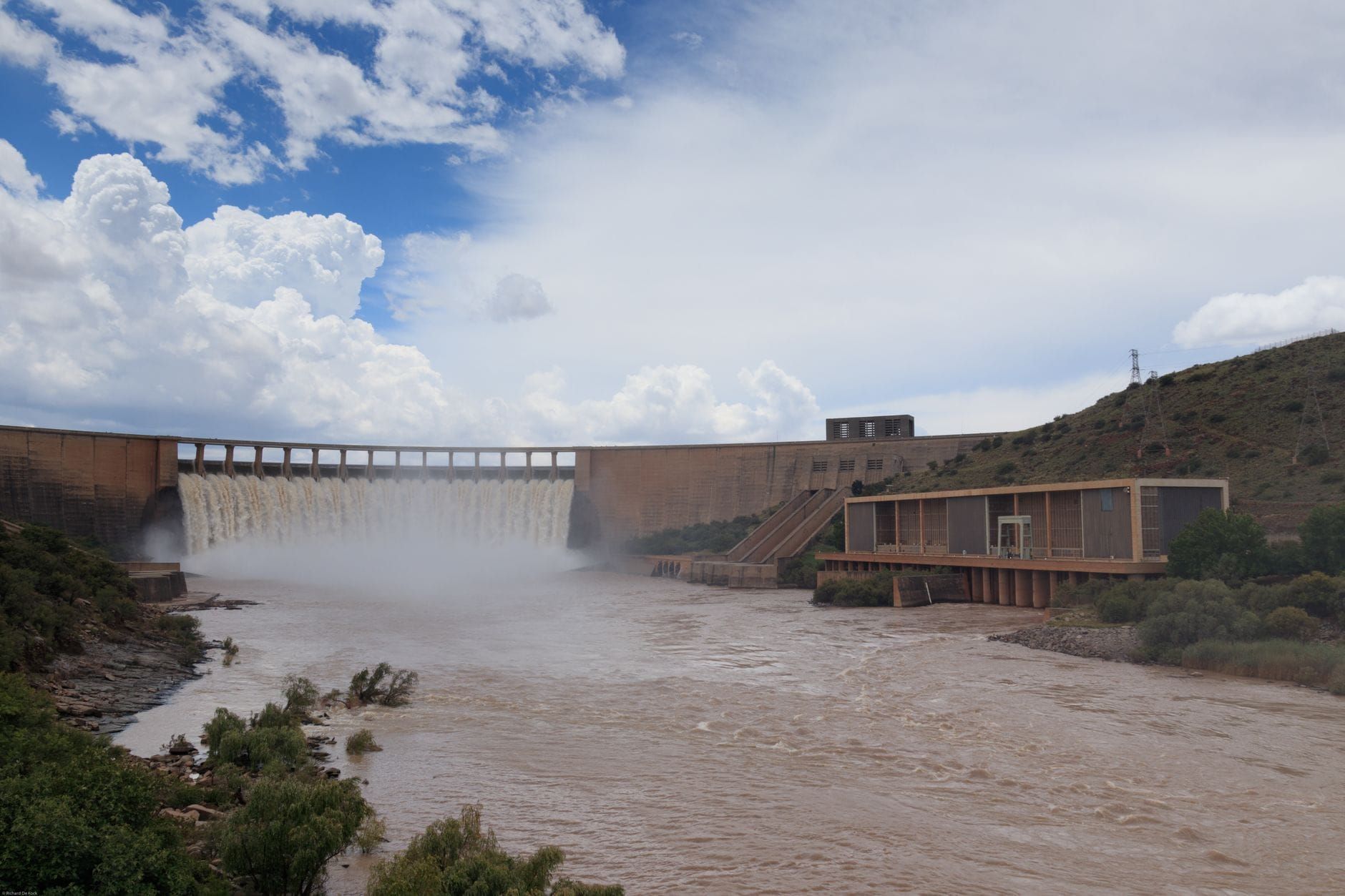
A memorandum of agreement signed on 30 September 2026 between the Malagasy state and the Compagnie générale d'hydroélectricité de Volobe (CGHV) officially relaunches the Volobe Amont project. With €212 million mobilised by the European Union, this 120 MW dam on the Ivondro River represents the largest private energy project in Madagascar's history.
Ten years in the making for 120 MW
The Volobe Amont project was initiated in 2016 with the creation of CGHV, a project company whose shareholders include Africa50, Colas, Jovena, and SN Power. In 2019, a shareholder agreement set the target at a 120 MW plant. In May 2023, the Malagasy state signed the concession contract and power purchase agreement with CGHV. But financial close remained the missing piece.
The memorandum of agreement of 30 September, signed by Minister Radonirina Lucas Rabearimanga and CEO Rémy Huber, passes the penultimate milestone before actual construction begins.
€212 million and two institutional lenders
The EU's contribution is set at €212 million — equivalent to over 1,000 billion ariary. The European Investment Bank (EIB) and the World Bank complete the institutional financing. This public-private structure sends a strong signal to investors watching Madagascar: multilateral lenders consider the project bankable and strategic.
750 GWh per year for Toamasina and Antananarivo
Located on the Ivondro River in the Atsinanana region, the dam will produce approximately 750 gigawatt-hours per year. Power distribution is planned in two blocks: around 60 MW will supply Toamasina, the island's main port; an additional 60 MW will reinforce the interconnected grid serving Antananarivo. The concession runs for 25 years from commissioning.
Why it matters
Madagascar suffers from a chronic energy deficit that undermines the competitiveness of its industrial base and discourages foreign direct investment. Reliable electricity access is a prerequisite for the development of special economic zones and the upgrading of the textile sector — the country's top export industry. At 120 MW, Volobe Amont alone will not solve the problem, but it marks a turning point: for the first time, a large-scale private project is on the verge of breaking ground, backed by solid institutional financing and a stabilised contractual framework.