
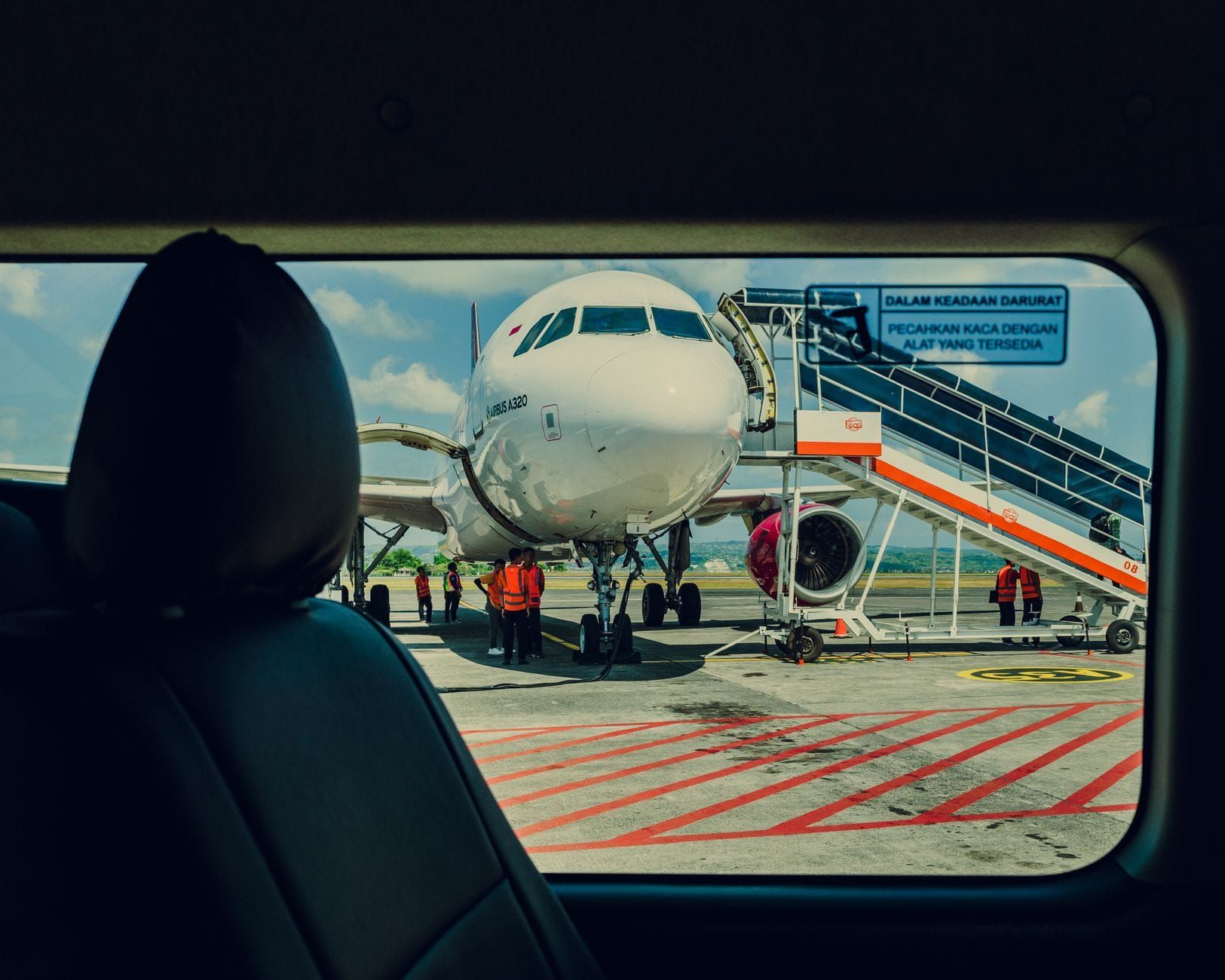
Madagascar has ended one of its most restrictive sanitary measures of recent weeks. Since 6 November 2026, the mandatory 21-day quarantine imposed on travellers from Kenya has been officially suspended, according to reports from Midi Madagasikara.
A health alert since late October
It began in early October 2026 when Kenya recorded its first fatal Ebola cases. Madagascar, which maintains regular air links with Nairobi, responded swiftly: a mandatory 21-day quarantine for all passengers arriving from Kenya, tightened border controls, and progressively stricter measures. The move prompted diplomatic friction, with Nairobi officially expressing displeasure at restrictions it considered disproportionate. Other countries — including Kuwait and Saudi Arabia — had taken similar steps against Kenyan travellers.
A meaningful economic and tourism hit
The timing was particularly sensitive for Madagascar. The island had just published encouraging figures for the first half of 2026 — 151,532 international visitors — a fragile recovery after post-pandemic lows. The Nairobi–Antananarivo route operated by Kenya Airways is one of the strategic links in Madagascar's aviation network. Lifting the quarantine should allow a gradual resumption of tourist and business flows between the two countries, reassuring operators ahead of the high season.
The Ebola situation in Kenya
The WHO and Kenyan authorities had maintained enhanced surveillance protocols since the country's first recorded Ebola death. Madagascar's decision to lift the quarantine reflects health authorities' assessment that the risk of further spread has been brought sufficiently under control.
Why it matters
For Indian Ocean decision-makers, this episode illustrates the vulnerability of island economies to external health shocks. Madagascar's ability to calibrate its response — and lift it quickly — is a signal of institutional maturity that matters to investors and partner airlines alike.