
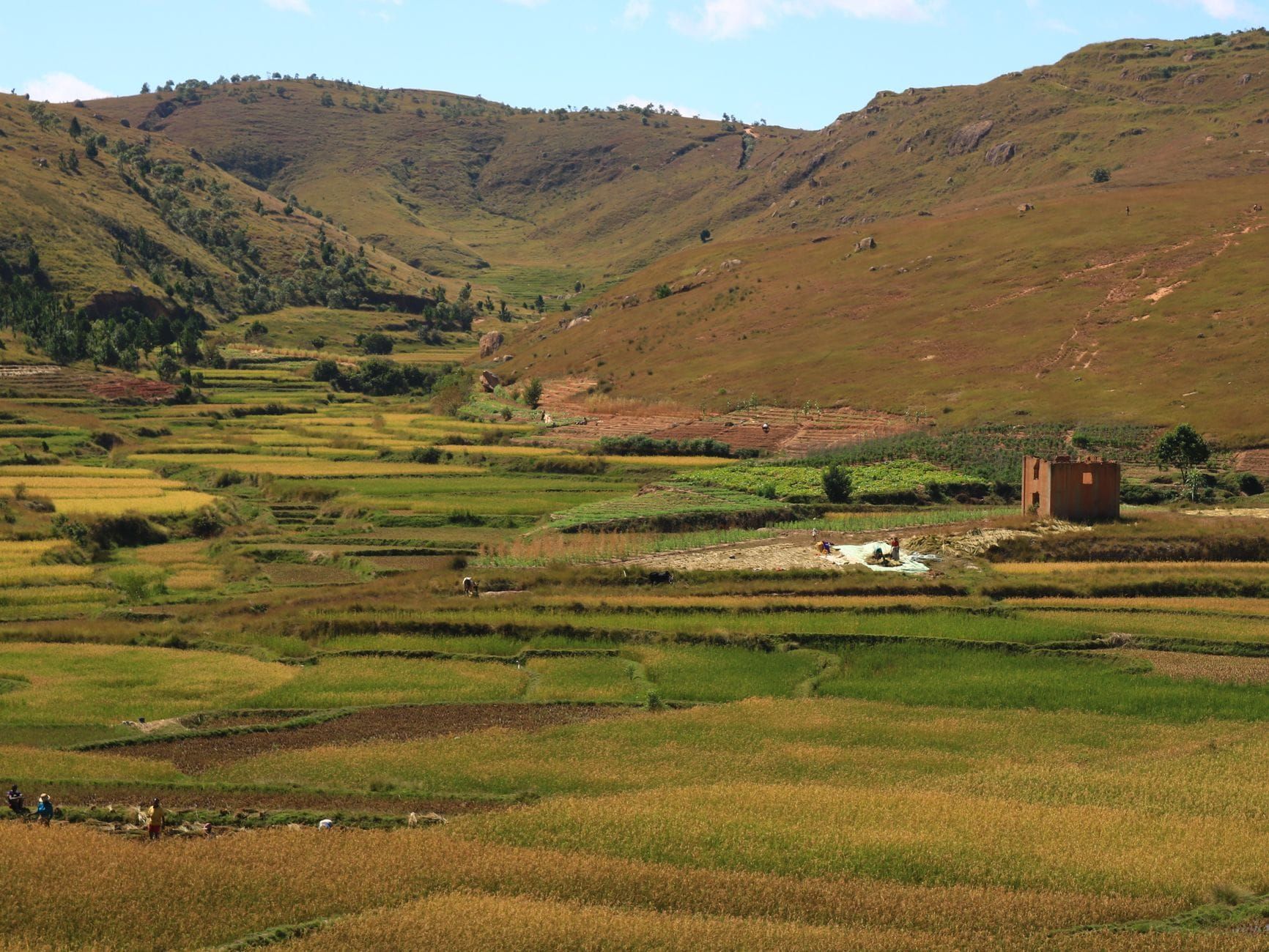
Madagascar is posting one of the most dynamic growth forecasts in the Indian Ocean region: 6% for 2026, according to several international financial institutions including the African Development Bank (AfDB). This performance is driven by agriculture, tourism, and the extractive industry, against a backdrop of reforms launched since 2024.
The Growth Engines
Three sectors concentrate the bulk of the momentum. Agriculture first: Madagascar is one of the world's leading exporters of vanilla, cloves, and lychee, with commodity prices remaining favourable. Tourism follows: the country welcomed a record number of international visitors in 2025, and arrivals continue to grow in 2026. Finally, the extractive industry, with mining projects (nickel, cobalt, ilmenite) ramping up at Ambatovy and QMM.
2026 Declared the 'Year of Productivity'
The Ministry of Industry, Private Sector Development and SMEs (MIDSP) officially designated 2026 as the 'year of productivity', signalling an ambitious roadmap for the private sector. Reforms aim to reduce business registration timelines, improve SME access to finance, and attract investment into free trade zones.
Persistent Structural Challenges
The AfDB and IMF warn that this growth must be accompanied by infrastructure improvements (energy, roads, digital) and better governance. The 6% growth rate remains below what would be needed to significantly reduce poverty in the short term.
Why It Matters
For regional investors, Madagascar represents one of Africa's last high-potential, relatively untapped 'frontiers'. Proximity to Mauritius — now better connected through strengthened bilateral trade agreements — creates a natural investment corridor for Indian Ocean operators.
Source: AfDB, Africa24 TV, allAfrica, MIDSP Madagascar — 2026