
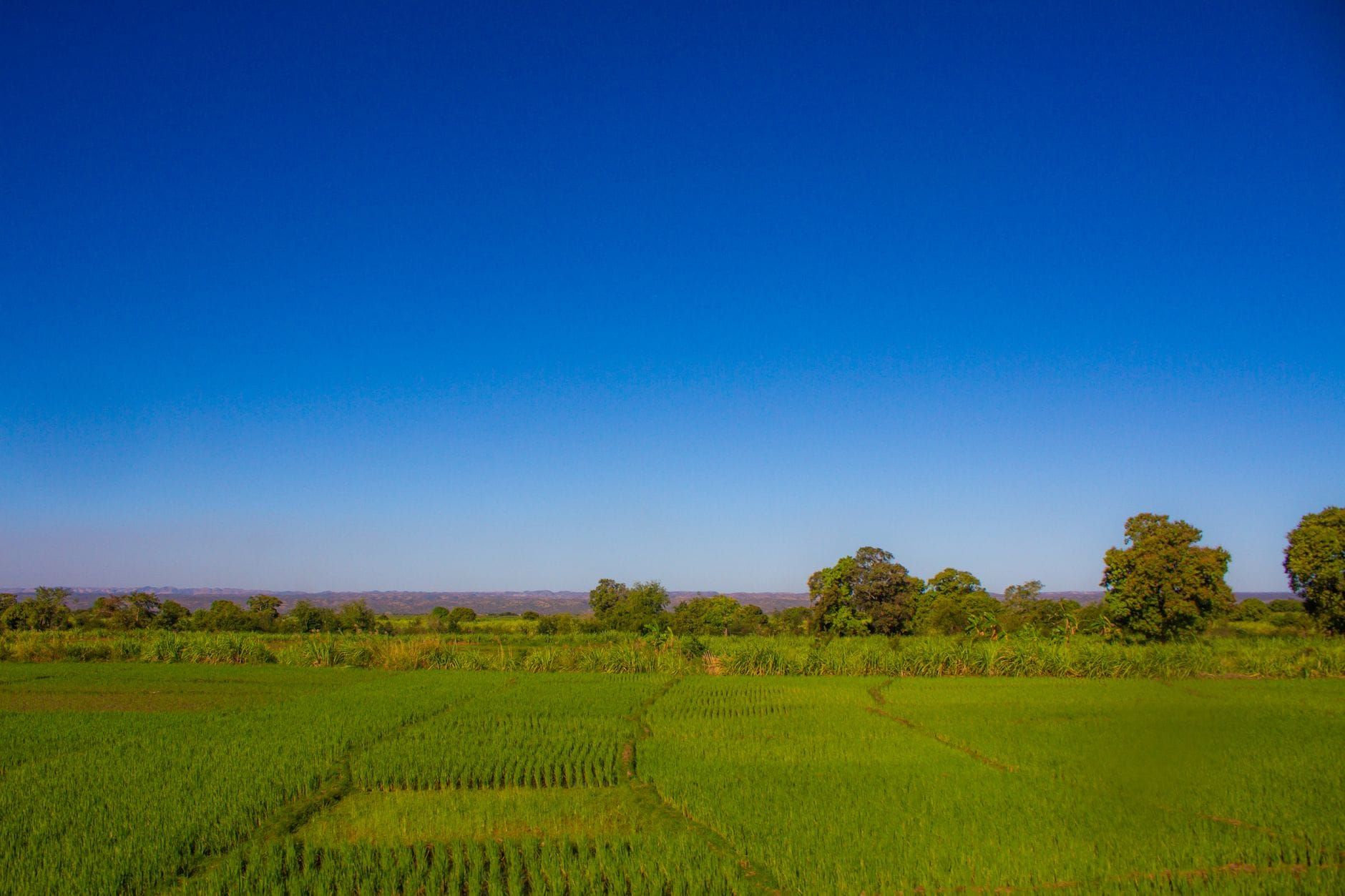
In the wake of the Africa Forward Summit held in Nairobi in May 2026 — where Madagascar defended a vision of a green and connected economy — the French Development Agency (AFD) has strengthened its support for the Great Island's agricultural sector through the PAPAM 2 programme (Agricultural Productivity Improvement Project in Madagascar). Running from 2025 to 2028, this programme aims to support the agroecological transition across several regions and boost the climate resilience of smallholder farmers.
A strategic programme for family farming
PAPAM 2 follows a first phase that improved agricultural productivity in key rural areas. This new edition focuses on agroecology — a model combining productivity and climate resilience — and directly targets smallholder farmers, the backbone of Madagascar's rural economy. Madagascar projects 6% growth in 2026, driven in part by the recovery of the agricultural sector following damage from recent cyclones.
Madagascar at the crossroads of major climate finance
The Great Island positioned itself at Nairobi as an actor in climate diplomacy: the Malagasy government advocated for innovative financing mechanisms to monetise its ecosystems (tropical forests, marine zones) and attract green investment. This positioning comes as the World Bank has already injected USD 225 million for the post-cyclone reconstruction of Antananarivo and Toamasina.
Why it matters
Agriculture represents around 25% of Madagascar's GDP and supports more than 80% of the rural population. The agroecological transition supported by the AFD directly addresses the island's climate vulnerabilities — Madagascar is one of the most cyclone-exposed countries in the Indian Ocean. By strengthening smallholder resilience, PAPAM 2 tackles the structural causes of food insecurity while creating conditions for sustainable agricultural growth.
Sources: Madagascar Newsroom, AFD, Africa24 TV — May-July 2026