
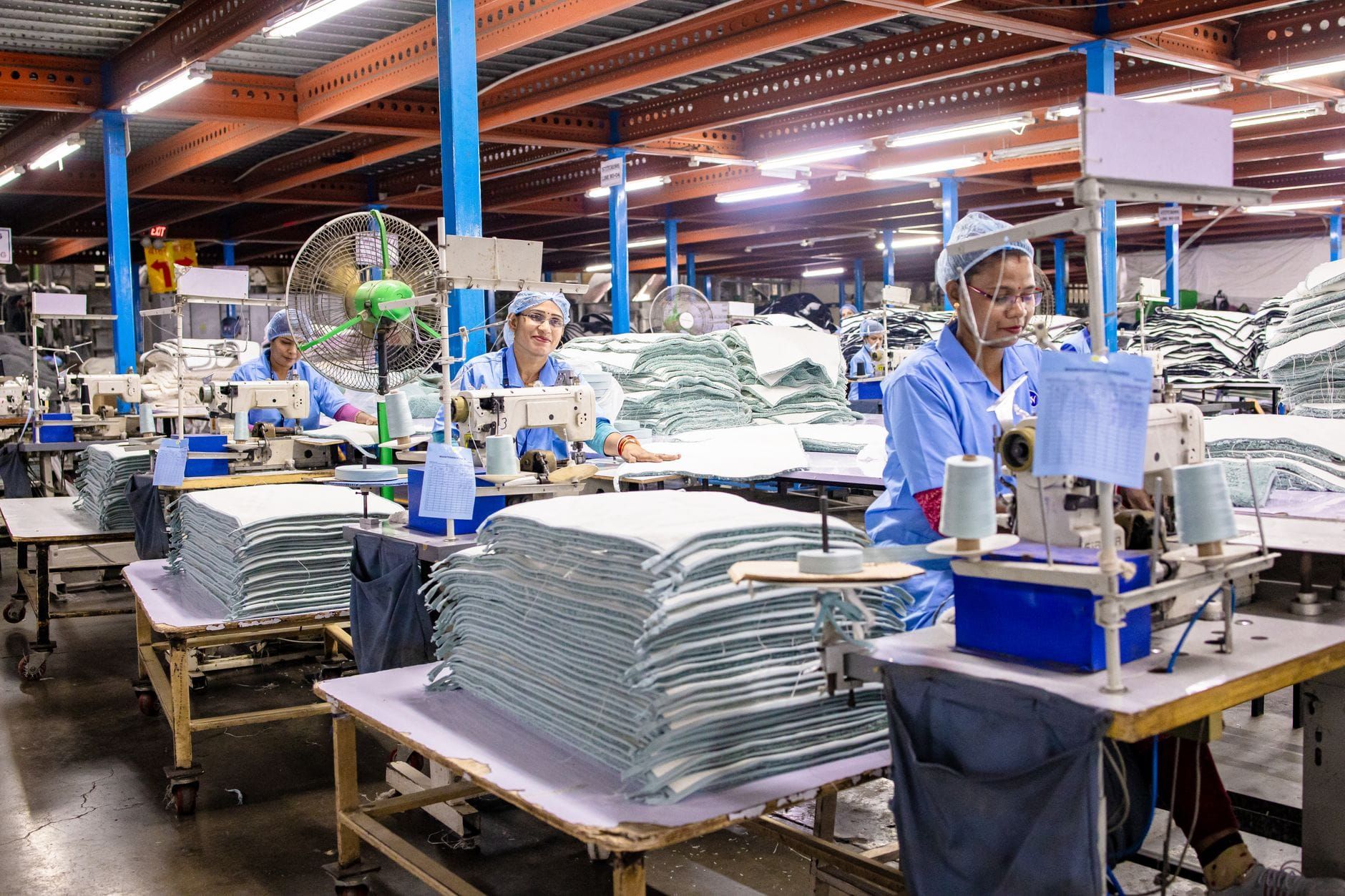
The US Senate voted on August 7, 2026 to extend the African Growth and Opportunity Act (AGOA) through end-2028, giving Madagascar and 31 other African nations two more years of preferential access to the American market. For the island nation, the stakes are enormous: 59 export enterprises and roughly 400,000 direct and indirect jobs depend on this trade regime.
A Senate Vote That Lifts Immediate Pressure
AGOA, which grants duty-free access to the US market for eligible African goods, was due to expire at the end of 2026. Its lapse would have placed Madagascar's textile sector in a critical position. On August 7, the US Senate approved an extension through December 31, 2028. The bill still needs to pass the full Congress, likely in September.
For Holy Mamisoa Randriamifidy, Director of International Relations at Madagascar's Commerce Ministry, this progress is the result of months of advocacy by the Malagasy government. She added that the continuity of AGOA directly impacts Madagascar's economy.
59 Companies, 400,000 Jobs: The Scale of the Avoided Risk
Madagascar has 59 active export-processing companies operating under the AGOA framework. The entire textile supply chain — garment manufacturing, sub-contracting, and logistics — accounts for around 400,000 jobs, according to the Groupement des Entreprises Franches. The sector is the island's largest industrial employer and its primary foreign exchange earner.
The threat of suspension had already sent shockwaves through the industry in 2025, prompting several American buyers to freeze orders as a precaution. The extension through 2028 secures order books for the next two trading seasons.
A Reprieve, Not a Guarantee
Analysts and private operators caution against treating the extension as a solution. Madagascar's structural dependence on a single market and a single preferential regime creates long-term vulnerability. As Newsmada's August 14 editorial put it: 2028 should not become another deadline to dread, but a starting point for gaining competitiveness.
Antananarivo is simultaneously exploring diversification toward South Africa, China, and other markets. But the path to higher value-added manufacturing — worker training, productivity gains, quality certification — remains the priority to make the sector viable beyond any preferential framework.
Why It Matters
AGOA has structured Madagascar's manufacturing industry for over two decades. Its extension through 2028 gives the private sector enough visibility to invest and plan. But it also raises the underlying question of Madagascar's competitiveness against Southeast Asia and better-positioned African peers further up the value chain. This reprieve is a window of opportunity — not an acquired right.
Sources: Newsmada (August 14, 2026), Madagascar Ministry of Commerce, Groupement des Entreprises Franches.