
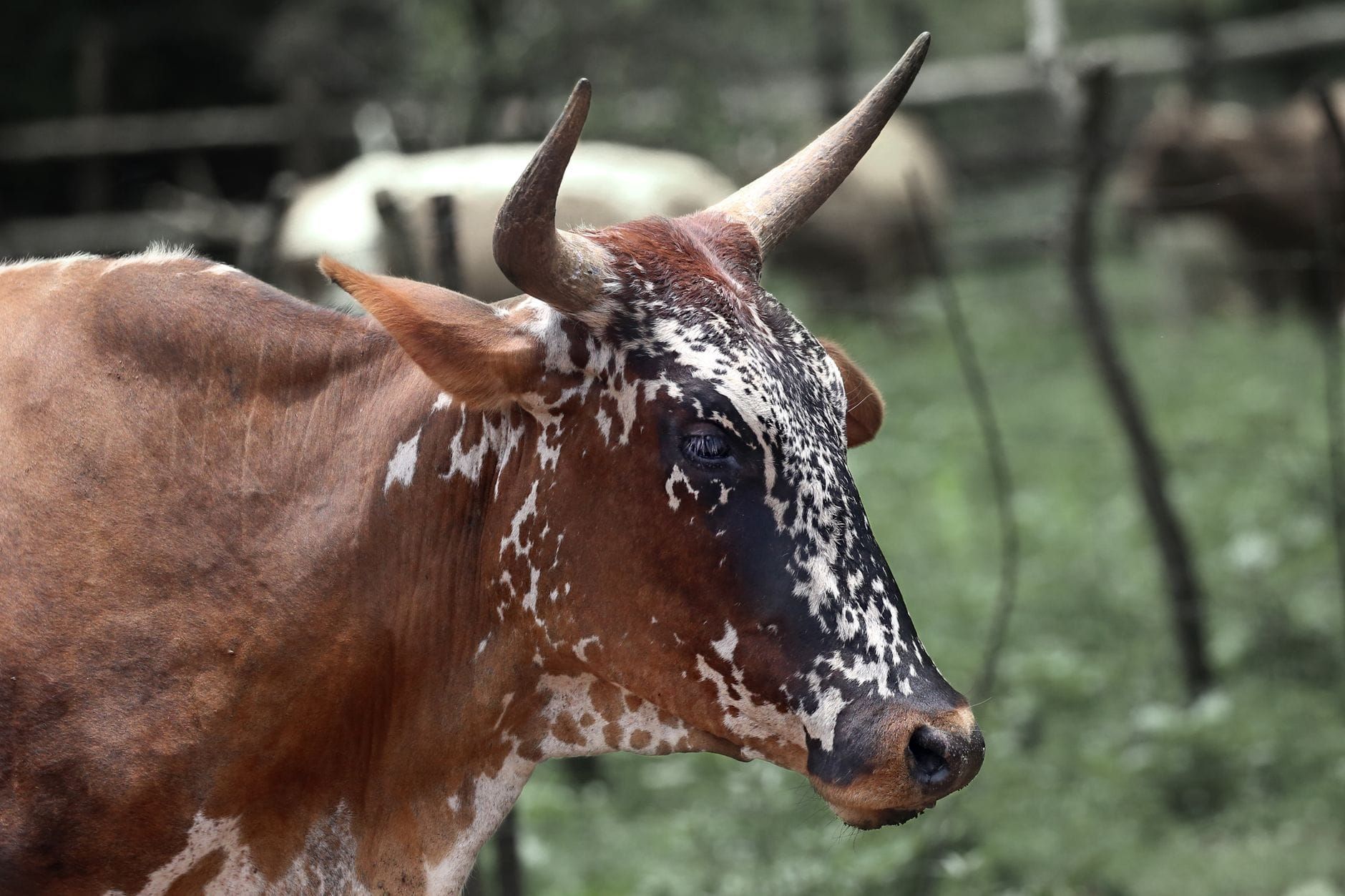
Madagascar is set to transform its livestock sector. On 1 October 2026, the Ministry of Livestock convened an international round table in Antananarivo to launch funding for the Livestock Sector Development Plan (PDSEM) 2026-2030: an estimated requirement of around $400 million to be raised from technical and financial partners and private investors.
Four strategic value chains
Organised with technical support from the International Livestock Research Institute (ILRI), the meeting brought together government representatives, international donors and private-sector actors. Dr Riana Nantenaina Randrianomenjanahary, Minister of Livestock, set out a clear vision: «a modern, more productive livestock sector» generating income for young people and rural women. The targeted value chains are cattle and dairy, sheep and goats, poultry and pigs.
Multi-sector investment
The plan covers animal health (vaccination campaigns, proximity veterinary services, genetic improvement, national vaccine production capacity), feed and pastures, market infrastructure and sector governance. All 24 of the country's regions will be involved.
A 90-day road map
The ministry has given itself 90 days to inventory existing projects, build a priority investment portfolio, map potential financing and establish a monitoring framework. Regional technicians across the country will be at the forefront of this effort.
A blended financing model
The Malagasy government acknowledges it cannot fund the estimated $400 million alone. The plan relies on guarantee mechanisms, risk-sharing arrangements and private investment to complement external contributions. No formal donor has yet been announced, though discussions are under way with several international partners. Source: AllAfrica / Madagascar Ministry of Livestock, 7 October 2026.
Why it matters
Livestock employs millions of Malagasy and is a key source of agri-food exports. A $400-million plan — if funded — would be one of the most ambitious ever launched in this sector. For the Indian Ocean region, success could open procurement and agro-industrial partnership opportunities, particularly for Mauritius and Réunion.