
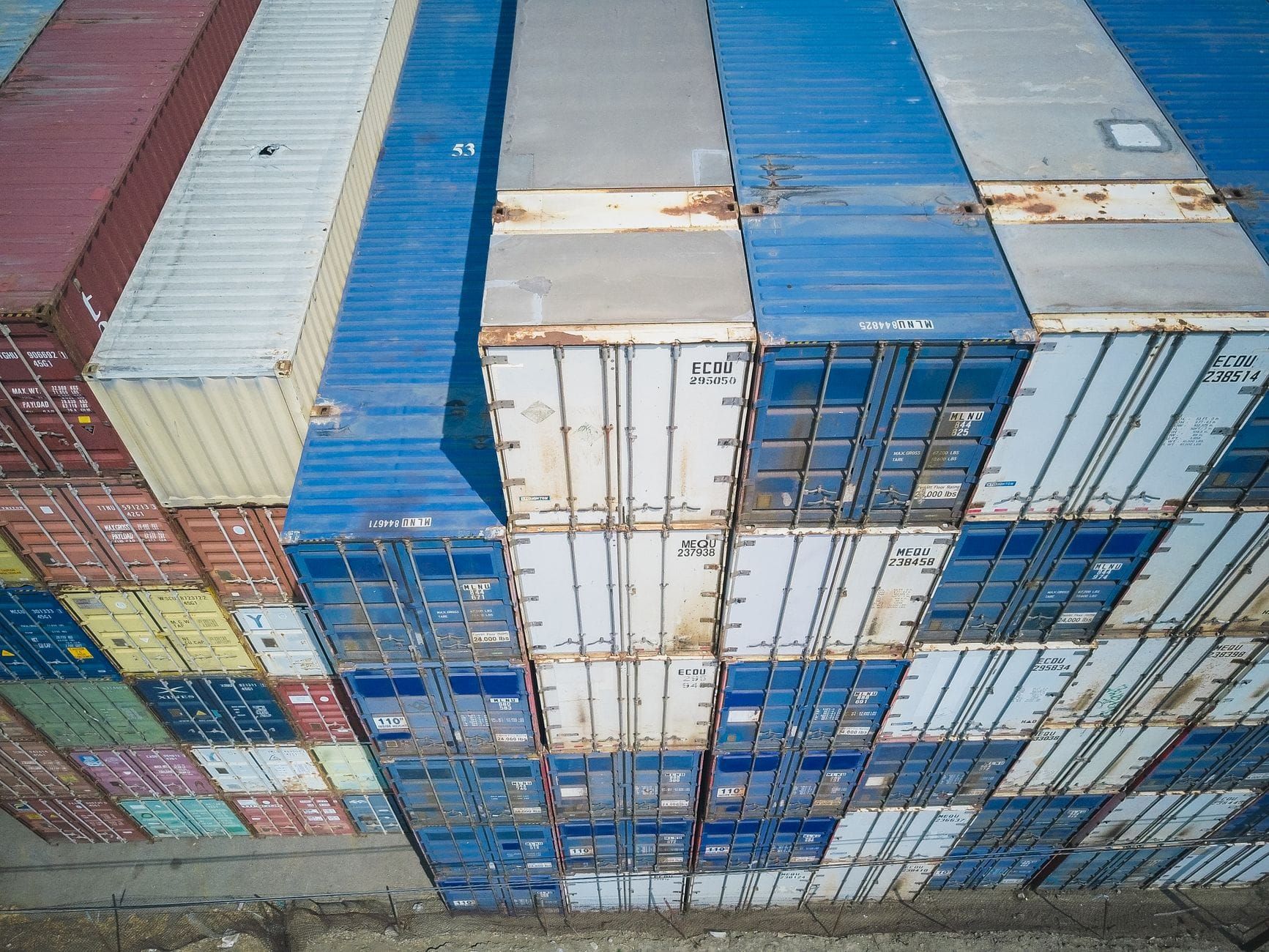
The Port of Réunion closed 2025 on a new all-time record with 6.95 million tonnes handled, up 3.6%. It is the second consecutive year above the symbolic 6 million tonne threshold. A remarkable result that nonetheless carries some shadows.
A record driven by bulk cargo and cruises
Containers remain the port's pillar with 3.7 million tonnes (61% of total traffic), up 2.4% in tonnage — even though TEUs (twenty-foot equivalents) dipped slightly to 370,433 units (-1.7%). Solid bulk cargo surged 17.4% to 1.2 million tonnes, driven by cereals, cement and wood pellets (up 40% alone). Maritime tourism also benefited from regional dynamism.
Conversely, liquid bulk — kerosene, diesel — fell 7.1% to 1 million tonnes, reflecting the growing role of renewable energy on the island and lower hydrocarbon consumption.
Warning signs
Two negative signals temper the record's euphoria. First, transshipment traffic — the cornerstone of the regional hub — fell 6%, signalling competitive pressure from major regional ports such as Port-Louis and Mombasa. Second, sugar exports collapsed 75%, a direct consequence of a catastrophic 2025 sugarcane campaign for Réunion's sugar industry.
A macro context that remains tense
These port results sit against a contrasting local economic backdrop. In 2026, Réunion's broad unemployment rate exceeds 40%, with more than 209,000 Réunionnais registered with France Travail. Household consumption remains the main economic driver, but its fragility exposes the island economy to external shocks — particularly rising global food prices.
Port dynamism, while reflecting the vitality of trade flows, is not yet translating into enough jobs to absorb a structural unemployment rate entrenched for decades.
Why it matters
The Port of Réunion is the island's logistical backbone and a gateway to the south-western Indian Ocean. Two consecutive records reflect real dynamism in regional trade and the island economy's upward trajectory. But the decline in transshipment is a signal to monitor: Réunion must consolidate its positioning as a regional hub against competitors investing heavily in their port infrastructure.