
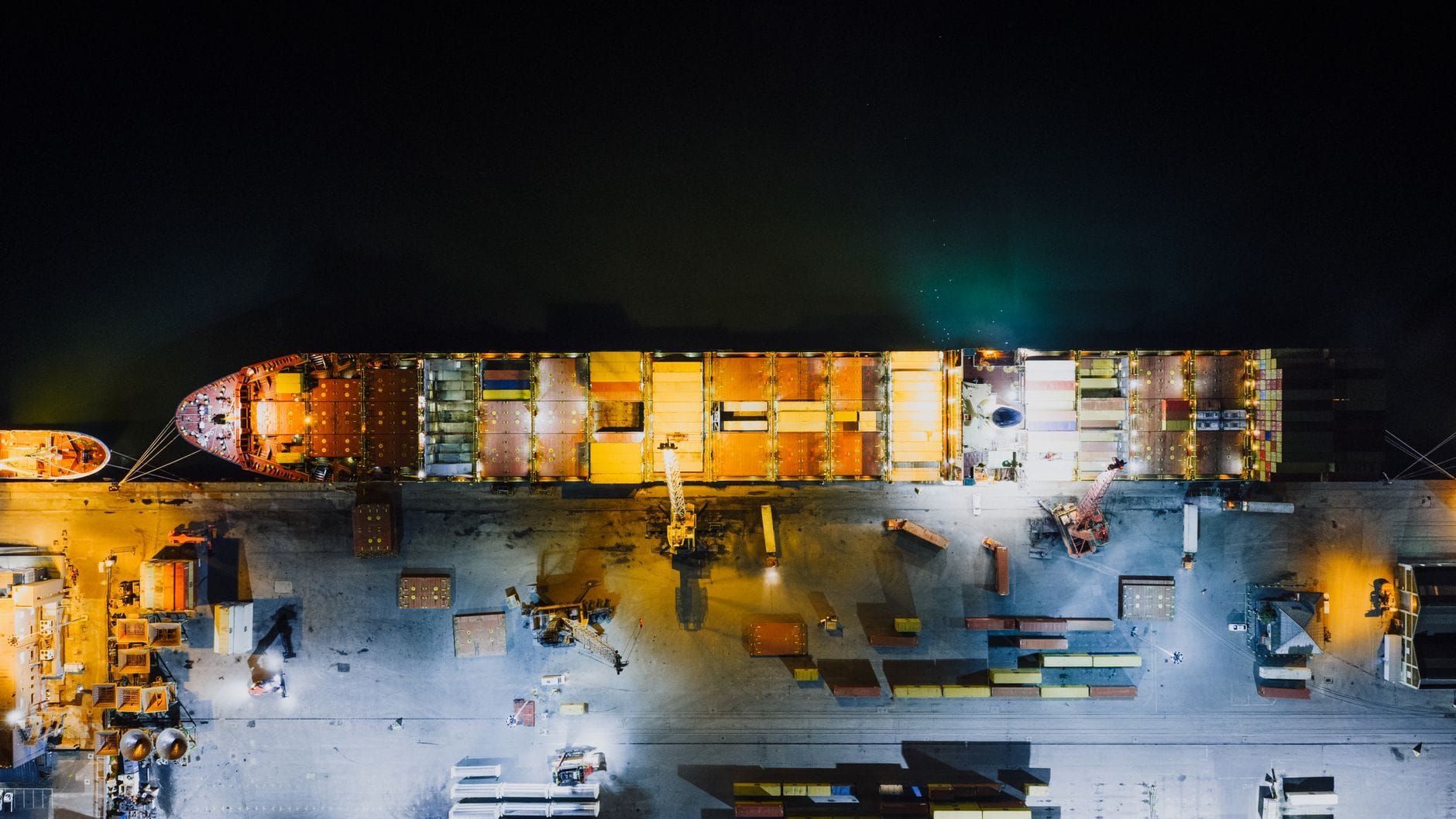
For the second consecutive year, the port of La Réunion has surpassed the 6-million-tonne milestone. The 2025 tally comes in at 6.95 Mt, up 3.6% year-on-year. Behind this headline figure, two starkly opposing trends reveal the island economy's deep structural shift.
Containerised Freight Holds Firm
At 3.7 Mt of containerised cargo (61% of total traffic), this segment remains the port's backbone. Volume grew +2.4%, though the number of TEU boxes edged down to 370,433 units (-1.7%). Transshipment, at 108,120 TEUs, fell 6% — a sign of increasing competitive pressure in the Indian Ocean, where several regional ports are vying for this traffic.
The Silent Wood-Energy Revolution
Dry bulk posted the most spectacular growth: +17.4%, totalling 1.2 Mt. The engine is unambiguous: wood pellet imports surged +40% to 734,767 tonnes. This reflects the port's accelerating integration into Réunion's energy transition — these pellets fuel the thermal power plant as a partial replacement for coal and fuel oil.
Sugar's Steep Decline
In sharp contrast, sugar exports collapsed by 75% — a historic fall that encapsulates the structural crisis gripping Réunion's sugar industry, battered by shrinking cultivated areas, ageing farms and international competition. This decline threatens a defining pillar of the island's economic identity.
Other Segments in Detail
General cargo (non-containerised) surged +84% to 58,205 tonnes, driven by infrastructure projects and special materials. Liquid bulk (hydrocarbons) fell 7.1% to 1 Mt — jet fuel (-6.6%), diesel (-11%) — as demand for fossil fuels softens. Vehicle imports remained stable at 27,561 units (-2%).
Why It Matters
Port Réunion handles 80% of goods consumed on the island. Back-to-back records above 6 Mt confirm the resilience of logistics activity despite structural headwinds (freight costs, import/export imbalance, sugar decline). The wood-pellet surge and sugar collapse together sketch the island's future: less agricultural, more oriented toward energy transition and domestic consumption.
Sources: Ports et Corridors (2026), Port Réunion 2025 data.