
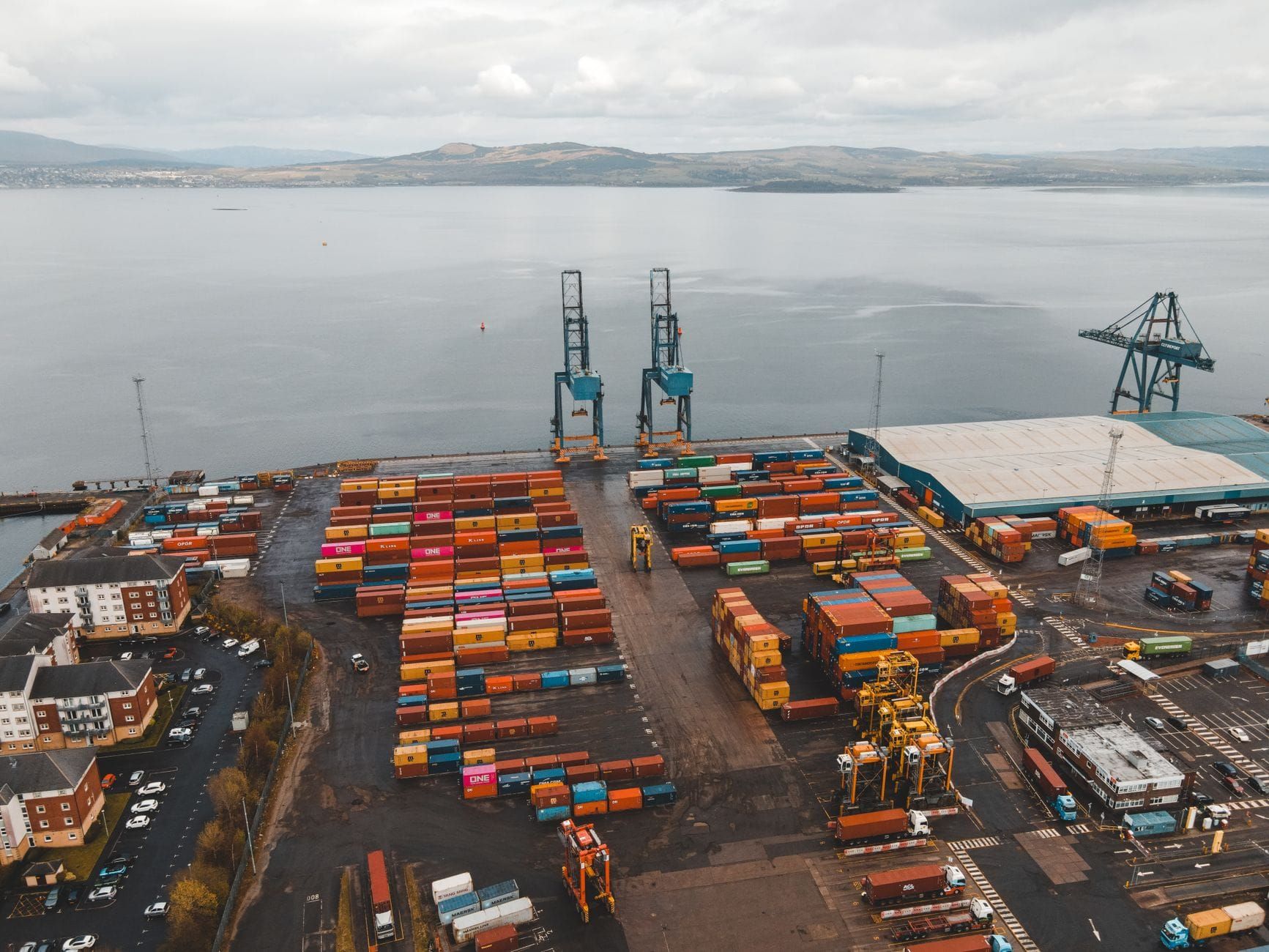
Port Réunion handled 6.09 million tonnes of cargo in 2025, a 4% increase on 2024. An outright new record, surpassing the 2021 high. The island confirms its status as the reference logistics platform for the western Indian Ocean.
6.09 million tonnes: the record broken
The previous record dated from 2021, at 6.026 million tonnes. In 2025, Port Réunion crossed that symbolic threshold with 6.09 million tonnes. The 4% rise reflects a solid recovery in regional economic activity and growing diversification of commercial flows.
Container traffic — representing over 60% of total volumes — grew in tonnage (+2%), despite a slight decline in TEU units (370,433 TEUs, -2%). This reflects denser average loads, a sign of logistics optimisation.
Energy driving growth
The energy products sector recorded the strongest growth at +24%, driven by an explosion in wood pellet imports (+40%). Réunion's energy transition — targeting 100% renewable energy by 2030 — is generating growing demand for biomass, a trend expected to continue in coming years.
Conversely, some segments posted declines: sugar exports fell by 75%, pulling solid bulk traffic down 6%. The Réunion sugar industry is going through a structural crisis whose logistics effects are now tangible at port level.
34 cruise calls, 44,000 passengers
The port welcomed 34 cruise ship calls in 2025, carrying around 44,000 passengers (+1%). A steadily growing activity reflecting the island's tourism potential and the strengthening of maritime routes to Réunion from major Mediterranean and southern African ports.
Why it matters
In a context of global supply chain reorganisation, Port Réunion's hub role is becoming strategic for the entire region. The island is a natural gateway toward Madagascar, the Comoros and African coasts for goods transiting via Europe or Asia. Investment in port capacity today is a lasting competitive advantage for tomorrow.
Sources: Mer et Marine, Leader Réunion