
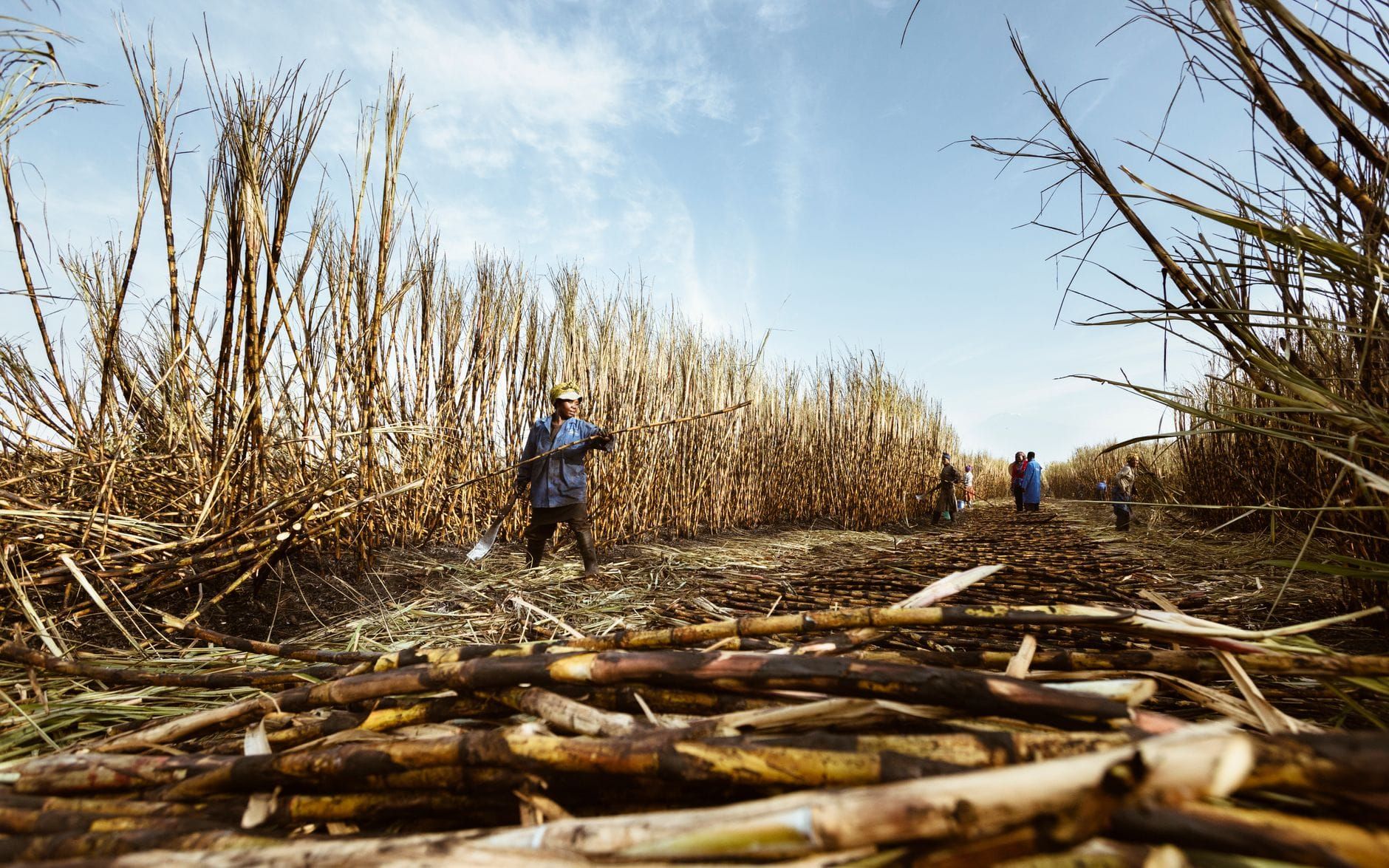
The 2026 sugar campaign is under strain. In the North-East basin of Réunion Island, operations have been "running slowly for several days", according to the Chamber of Agriculture. The causes: technical issues at the Bois-Rouge factory, unannounced reception stoppages and an open conflict between farming organisations and industrial operator Tereos.
Sugar Crystallisation and a Broken Bagasse Conveyor
Olivier Fontaine, president of Réunion's Chamber of Agriculture, paints a stark picture: sugar crystallisation problems, a damaged bagasse conveyor belt, closure of reception centres before a full suspension of deliveries across the North and East of the island. For Fontaine, the situation is a "hostage-taking of the farmers": Tereos, he argues, is shifting blame onto growers for difficulties that are the company's own responsibility.
The FDSEA and the Young Farmers are also sounding the alarm. The FDSEA contests Tereos' "sugarcane purity" argument — a claim that the quality of delivered raw material is insufficient — and is calling for an independent expert review. The Young Farmers denounce reception stoppages that disrupt the harvest and generate economic losses for already-strained operations.
A Sector Under Structural Pressure for Years
This conflict is not a one-off. Réunion's sugarcane sector has been experiencing "structural difficulties for several years", in the words of the Chamber of Agriculture. The 2025 harvest was already heading for a historic low. The sector faces pressure from global sugar prices, high island production costs, and increased competition from continental sugars. The 2026 campaign is therefore closely watched: the final tonnage will shape the short-term economic outlook for Réunion's agriculture.
Tereos, for its part, insists there is "no breakdown at Bois-Rouge" and attributes the difficulties to the quality of cane received — a technical dispute playing out on camera and in the fields, while the harvest continues, slowly.
Why It Matters
Sugarcane is one of Réunion's last agricultural pillars. The sector employs several thousand workers, directly and indirectly. Any delay or reduction in harvested tonnage has cascading effects: on farmers' incomes, on the activity of both mills (Bois-Rouge and Le Gol), and on the island's broader economic indicators. The breakdown in trust between Tereos and the farming world adds another layer of fragility to a sector still searching for its long-term trajectory.
Sources: Imazpress, Zinfos974, Témoignages — 7–8 August 2026.