
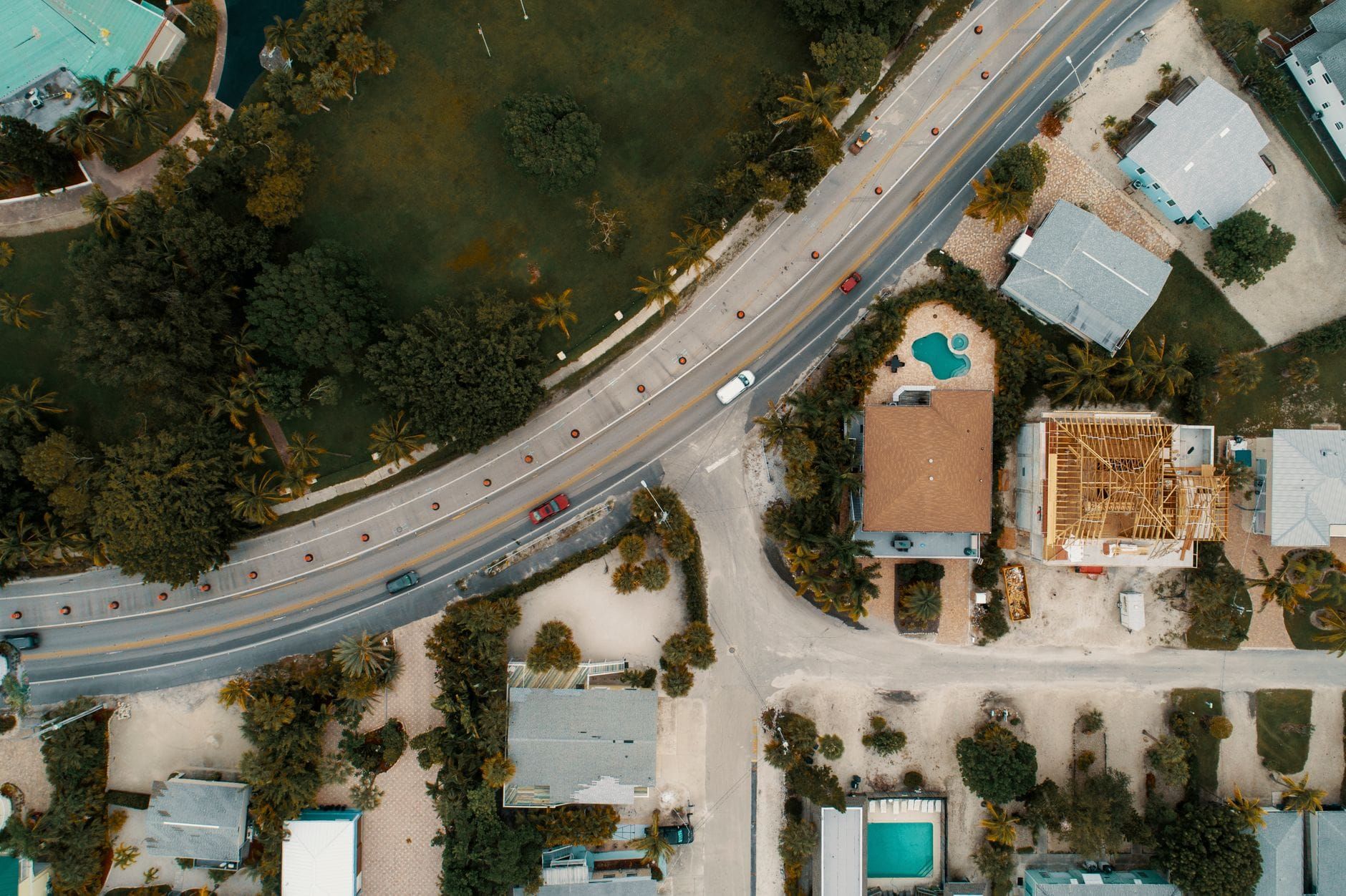
Housing construction in Réunion is showing a modest recovery with 6,910 housing units authorised over the past twelve months, up 18%. But behind these figures, the reality is unambiguous: 53,000 households are waiting for social housing, and the structural deficit may reach 100,000 units by 2050.
Permits Rising, Construction Starts Falling
According to data published by DEAL Réunion for the period July 2025-June 2026, 6,910 housing units were authorised, up 18% year-on-year. Collective housing rose 21.4% and individual homes 13.6%. On paper, the signal is positive.
But construction starts tell a different story: only 5,020 units broke ground over the same period — a 19% annual decline. The gap between permits and actual construction reflects persistent obstacles — high building costs, financing difficulties, land scarcity — preventing projects from moving from permit to concrete.
The non-residential sector showed contrasting vitality: 491,000 m² authorised (+52%) and as many started, a sign that businesses and local authorities are investing, but housing remains the poor relation.
53,000 Families Waiting
Behind the raw statistics lies a social reality: more than 53,000 social housing applications are pending in Réunion. INSEE projects a need for 172,500 additional housing units by 2050 to absorb population growth. At current rates, the deficit could reach 100,000 units.
This situation remains «particularly pronounced» according to sector observers, who note that the island remains structurally under-supplied despite decades of public policy. Housing costs erode the budgets of the least affluent households, amplifying inequalities in a territory where unemployment already exceeds 20%.
Why It Matters
Réunion's housing crisis is not just a social issue — it is a brake on the island's economic competitiveness. Companies struggle to recruit and retain talent due to a lack of affordable housing. For decision-makers, the challenge is twofold: accelerate construction starts while maintaining quality standards for sustainable housing adapted to the climatic realities of a tropical territory. The recovery in permits is encouraging, but will only be meaningful if it translates into real homes.
Sources: DEAL Réunion (Q2 2026 data), INSEE, Zinfos 974.