
The IEDOM (Institut d'Émission des Départements d'Outre-Mer) has published its Q2 2026 economic trends for Réunion Island. The picture is clear: activity is slowing across almost every sector, caught between surging fuel prices and the international fallout from the Middle East crisis.
Fuel: the main pressure point
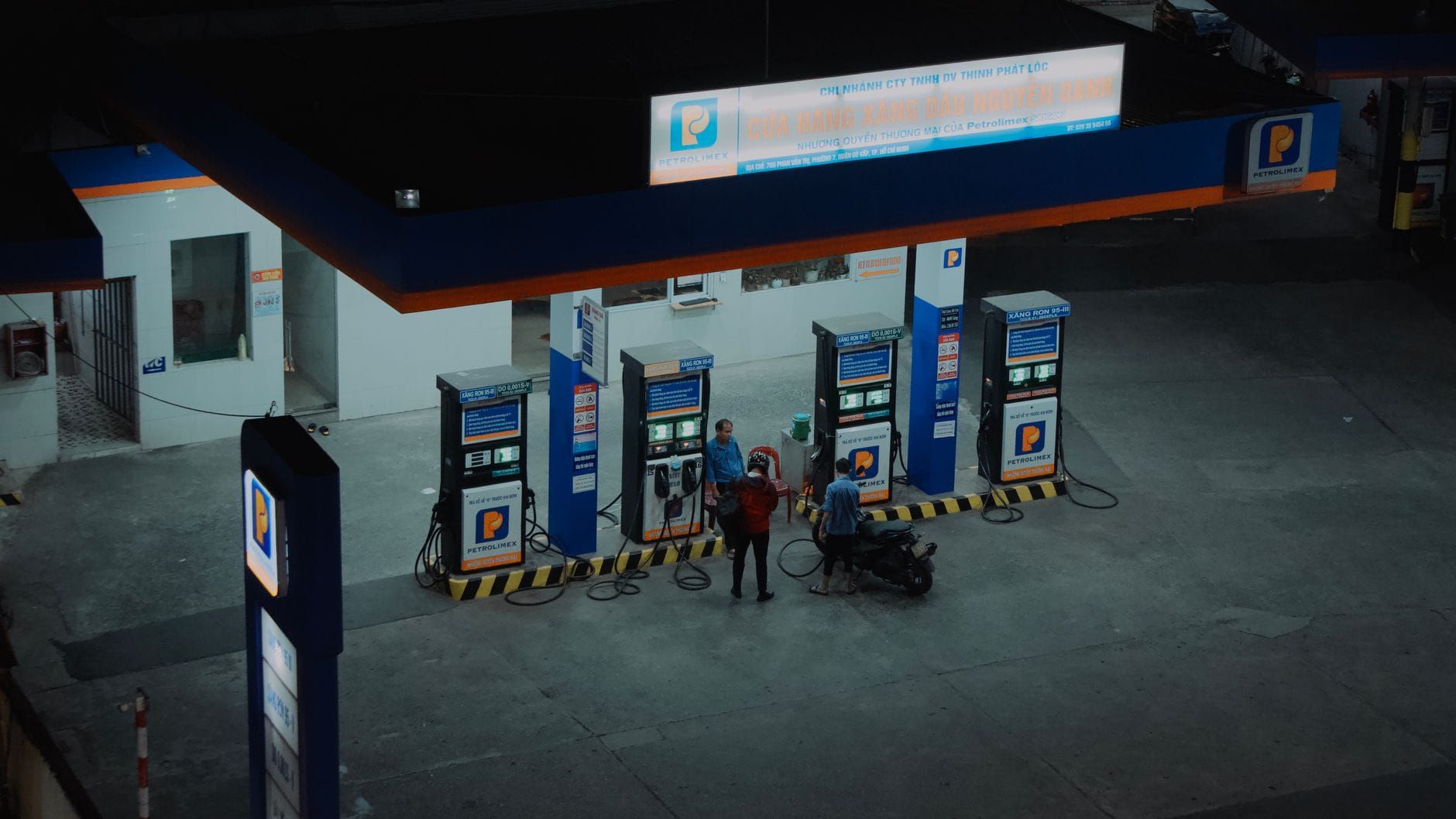
Fuel prices in Réunion jumped 22.2% year-on-year by end-June 2026, after a sharp acceleration from April onward. This shock pushed overall inflation up to 1.5% year-on-year at end-June — compared to 0% at end-March. Most businesses passed on these cost increases to customers, directly eroding household purchasing power. Fuel costs are particularly sensitive for an island economy heavily reliant on energy imports.
Labour market reverses after three quarters of decline
After three consecutive quarters of decline, jobseekers in categories A, B and C rose by 1.6% over the quarter. Category A (no activity) climbed 1.4%. The IEDOM notes this trend is not specific to Réunion, mirroring a national pattern. The reversal ends a period of continuous labour market improvement that had started in early 2025.
Consumption under pressure, tourism holds
Banknote deposits at the IEDOM fell 2.5% year-on-year, a sign of fewer cash transactions and weakened domestic demand. Retailers report a marked drop in footfall and expect further slowdown in Q3. New passenger car registrations rose 1.2% year-on-year, and tourism remains a bright spot: air traffic grew 1.3% quarter-on-quarter on a seasonally adjusted basis.
The business confidence indicator (ICA) fell 3.6 points to 100.1, returning to its long-term average after a stronger Q1. Services proved the most resilient sector: it recorded the highest proportion of businesses reporting no impact from the crisis.
Why it matters
The combination of soaring fuel costs, rising inflation and a turning labour market paints a concerning picture for the second half of 2026. For an outermost region like Réunion, heavily reliant on imports and domestic consumption, this confluence of pressures can quickly destabilise small businesses and increase social spending. Local decision-makers will be closely watching oil price trends and developments in the Middle East in the weeks ahead.
Source: IEDOM, Q2 2026 Economic Trends, published 31 August 2026.