
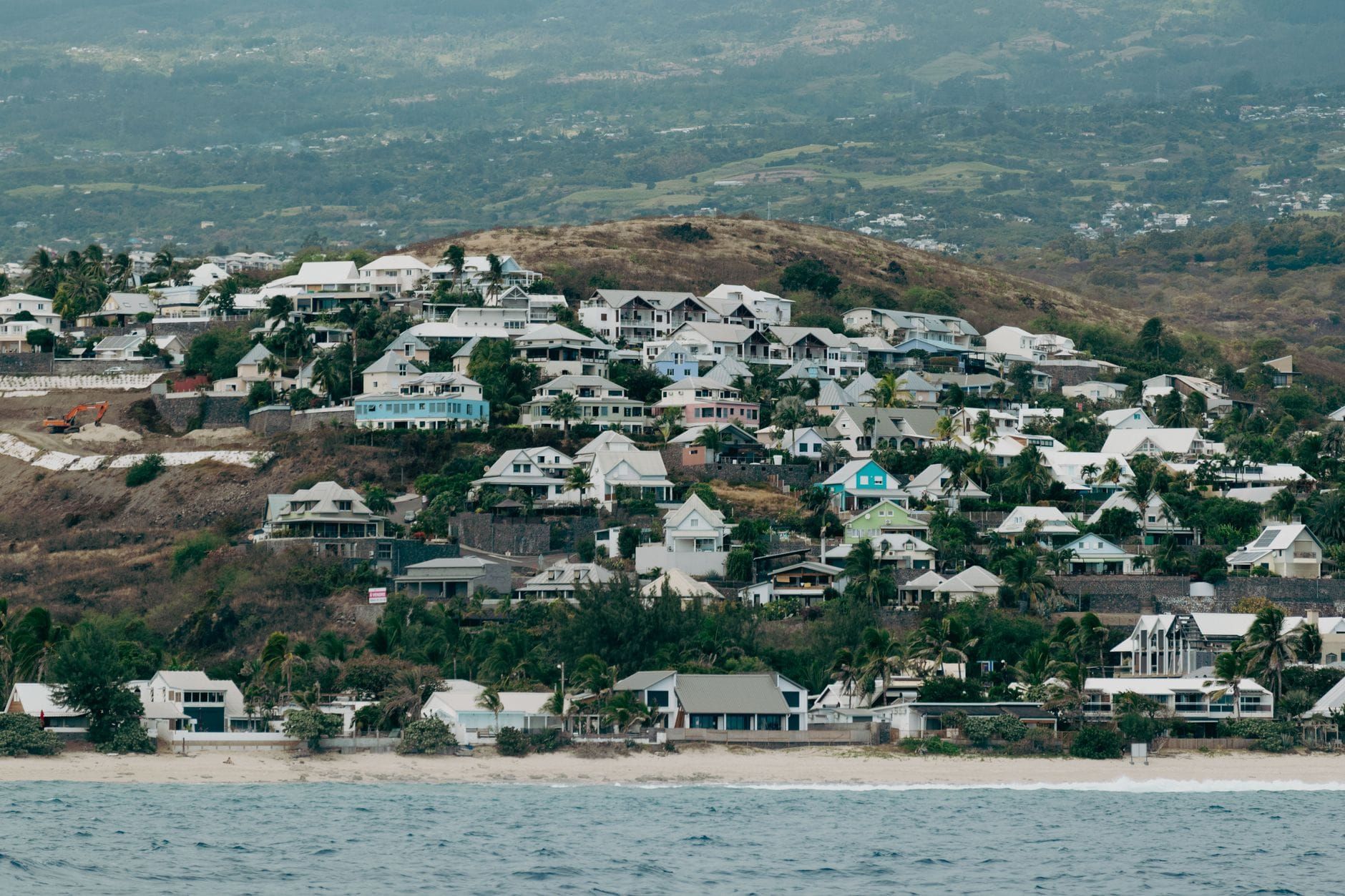
The Réunion Island Regional Council has unveiled "La Nouvelle Économie" (The New Economy), a structural economic road map running to 2030, launched at a first-ever regional economic convention bringing together public and private stakeholders. The plan targets productive diversification, energy transition and local job creation — aiming to reduce dependence on central government transfers.
An Unprecedented Regional Convention
For the first time in Réunion's economic history, the Region organised a convention gathering entrepreneurs, institutions and social partners around a shared vision to 2030. The stated goal: build a diversified, productive economy less exposed to central government budget cycles and better connected to Indian Ocean regional markets.
Priority Sectors
"La Nouvelle Économie" targets several excellence clusters: agri-food, high-value tourism, digital, energy transition and circular economy. The plan also seeks to strengthen SME exporters targeting southern and eastern African markets, where Réunion holds a rare strategic advantage — EU regulatory framework combined with Indian Ocean geography.
A dedicated employment strand focuses on youth — whose unemployment rate remains structurally high — and priority urban districts.
A Labour Market Under Pressure
The road map comes as the local labour market shows signs of softening. 2026 data points to approximately 1,100 fewer declared hiring intentions by Réunion employers compared with the previous year — not a crisis, but a signal that structural action is needed.
Why It Matters
Réunion is the only Indian Ocean territory integrated into the European Union — a differentiating asset of considerable value: EU single market access, internationally recognised regulatory standards, and European funding (ERDF, ESF). A coherent economic strategy to 2030 could position the island as a bridge between Europe and the Indian Ocean-Southern Africa zone. Source: imazpress, zinfos974, la1ere.franceinfo.fr.