
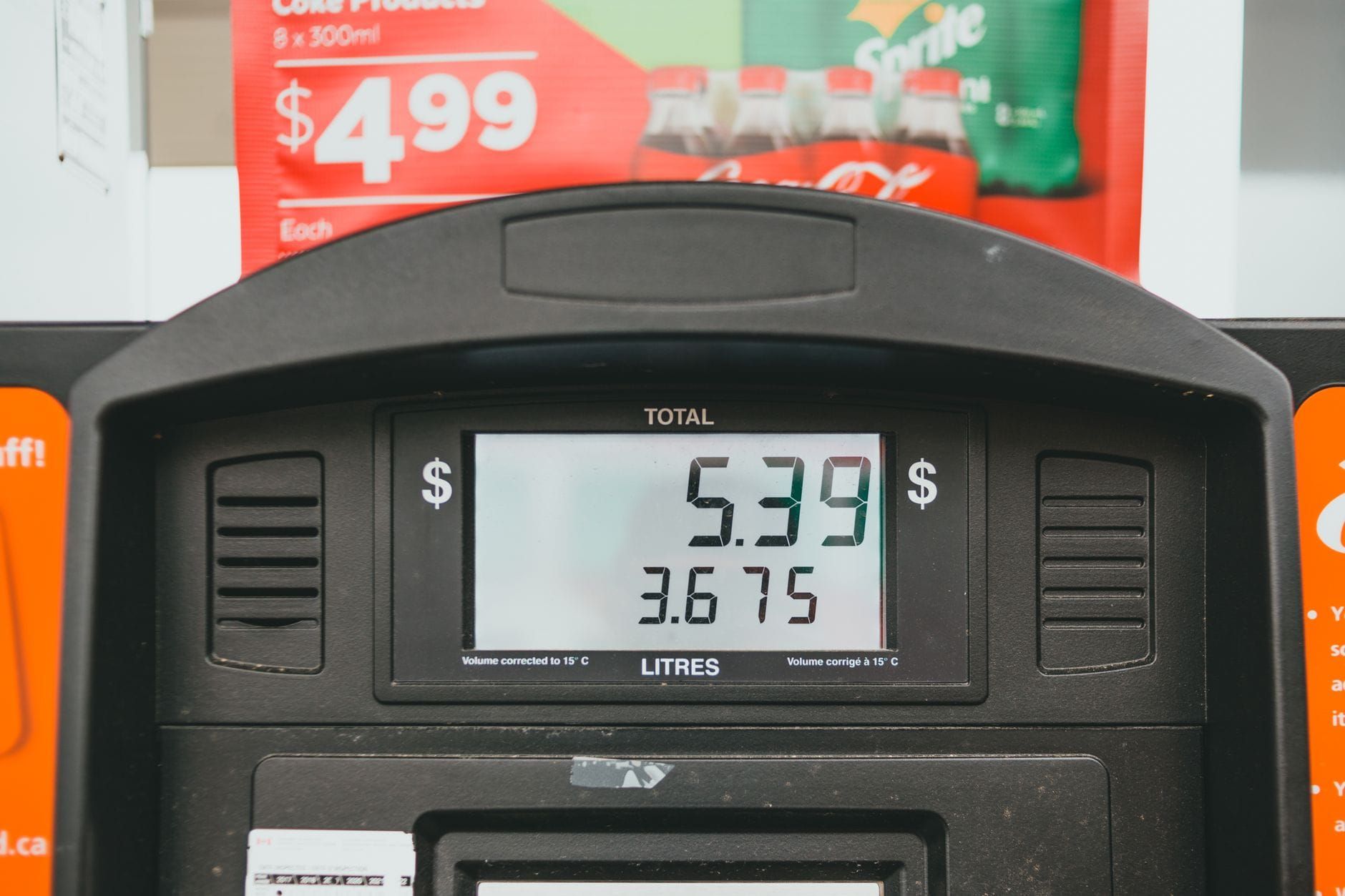
As of Tuesday 1 September 2026, drivers in Réunion are paying more at the pump. Diesel rises 13 cents to €1.68/litre, while SP95 petrol climbs 5 cents to €1.83/litre. The price hike was confirmed by the prefecture, citing ongoing tensions on international petroleum markets.
Prices rise again after months of relative stability
Réunion motorists had enjoyed a period of relative calm at the pump. That respite ends on 1 September with a monthly revision described as "significant" by local authorities. Diesel moves to €1.68/L (+13 cents), SP95 to €1.83/L (+5 cents), and domestic fuel oil and GNR also climb 13 cents to €1.15/L.
The prefecture attributes the increase to rising crude oil prices that began in mid-July, amplified by "the ongoing Middle East conflict" weighing on supply chains worldwide. Two factors helped cap the surge: the euro's strengthening against the dollar (+1.37%) and a modest easing of maritime freight costs.
How Réunion's pricing mechanism works
Unlike mainland France, where fuel prices adjust daily, Réunion's maximum prices are set once a month by prefectural decree. The island also benefits from a VAT exemption on fuel, a structural advantage that keeps local prices below mainland levels.
Yet the mechanism draws recurring criticism: maximum prices are calculated using data provided by the petroleum companies themselves, with no independent verification available to consumers. Transparency — a principle embedded since the 2014 reform — remains contested in a context of tight household budgets.
Why it matters
In an island where unemployment exceeds 19%, any fuel price increase acts as a diffuse tax on the entire economy. It raises transportation costs for goods, squeezes margins for small businesses dependent on road logistics, and directly erodes household budgets — particularly in areas poorly served by public transport. For policymakers and business leaders, this back-to-school price revision is a reminder of Réunion's structural exposure to external commodity shocks. Energy diversification — solar power, electric mobility — remains more than ever a strategic imperative.
Sources: Préfecture de La Réunion, Témoignages, Journal de l'île, Outre-mer La 1ère.