
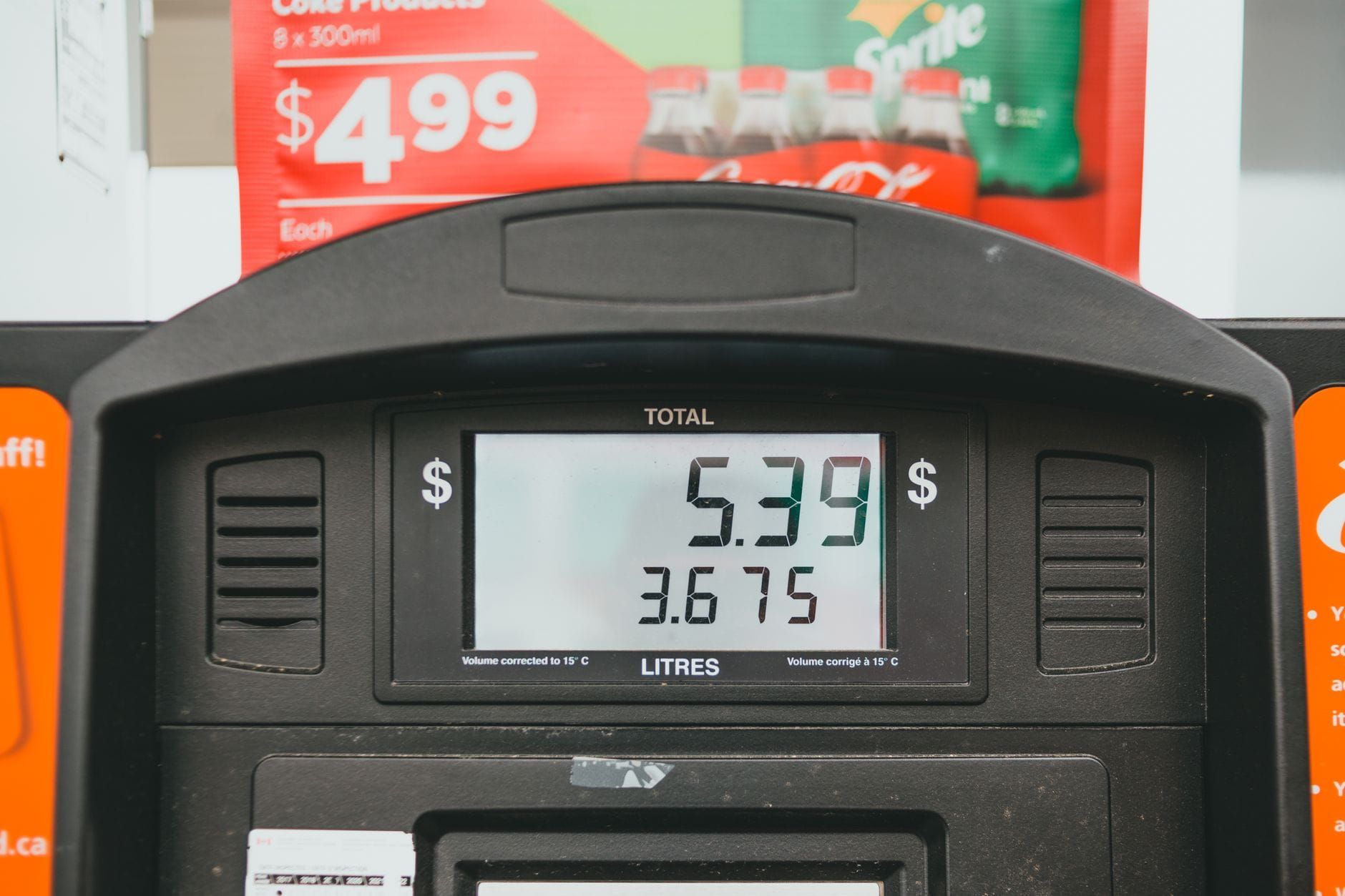
Effective August 1, 2026, a prefectural order sets unleaded petrol at €1.78/litre in Réunion — four cents below July's price. Diesel climbs to €1.55/litre, up two cents. A split dynamic that reflects persistent tensions on global distillate markets.
Petrol down, diesel under pressure
Unleaded petrol drops from €1.82 to €1.78/litre, a 2.2% decline that continues the easing trend underway since May. Petrol-car drivers gain a little breathing room, though prices remain elevated compared to mainland France's national average.
Diesel, by contrast, rises from €1.53 to €1.55/litre (+1.3%). The divergence reflects sustained demand for middle distillates in Europe and Asia, driven by maritime transport and regional logistics. For construction, haulage and agricultural businesses — heavily reliant on diesel — operating cost pressure remains.
LPG held at €18
The 12.5 kg gas bottle stays at €18.00 thanks to the regional subsidy scheme. Its true unsubsidised cost stands at €20.29, meaning authorities absorb €2.29 per bottle. For lower-income households, where LPG represents a significant share of the energy budget, this price floor is tangible relief.
A unique regulated pricing system
Réunion operates a regulated fuel pricing mechanism unique in France: prices are set monthly by prefectural order, factoring in crude oil benchmarks, the dollar exchange rate, and local cost structures (shipping, margins, taxes). The mechanism shields consumers from volatility spikes but can also delay the pass-through of market declines.
Why it matters
Fuel remains one of the largest expense lines for Réunion's businesses and households — an island with no structured rail network and a strong car dependency. Even a few cents' shift ripples into hauliers' margins, food distribution costs and workers' purchasing power. With unemployment at 18%, any easing on mobility costs is worth tracking closely.
Source: Prefectural order of August 1, 2026 — Zinfos974