
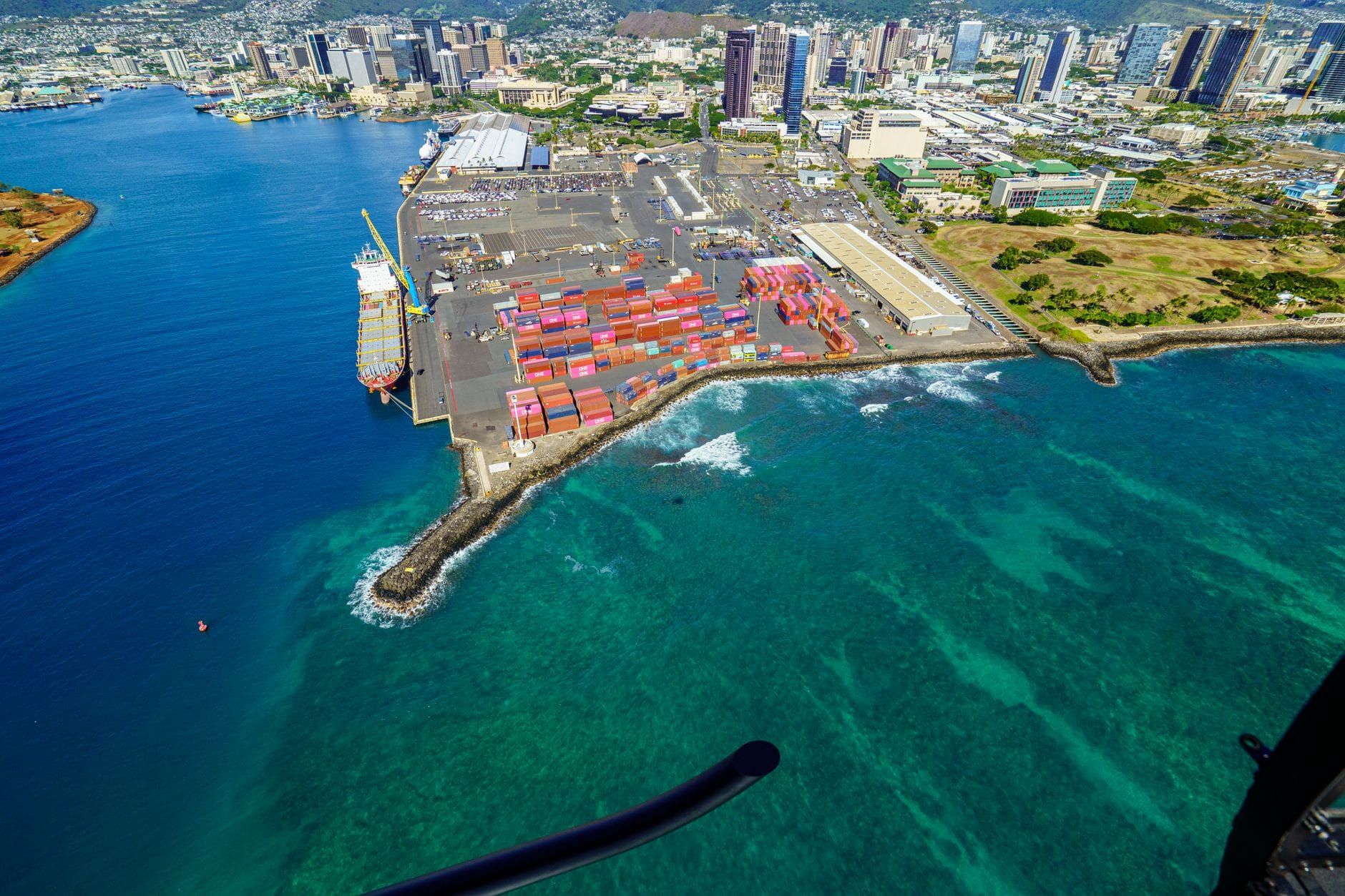
Réunion Island is holding the line, but concerns are emerging on the horizon. According to the IEDOM (Institute of Overseas Departments) mid-year assessment, Réunion's economy shows notable resilience in the first half of 2026, supported by solid foundational sectors. Yet businesses remain cautious heading into the second half of the year.
A Business Climate Above the Long-Term Average
The Business Climate Index (ICA) stands at 103.8 points, up 1.6 points, exceeding its long-term average. Agriculture, agri-food industries, and food retail distribution all report positive activity levels. Imports of durable goods rose +1.4%, a sign that demand is holding steady.
Philippe La Cognata, IEDOM director, acknowledged being surprised himself: «We thought things would be more complicated with rising oil prices and geopolitical tensions. For now, the Réunion economy is resisting quite well.»
Warning Signals That Should Not Be Underestimated
Behind these encouraging headline figures, several warning lights are flashing. Hiring intentions are down 3% year-on-year — a sign of growing employer caution. More worryingly, overindebtedness cases have surged 29% over one year, revealing increasing financial fragility among the most vulnerable households.
The construction sector remains the primary pressure point. Private residential development is hampered by high costs, elevated interest rates, and weakened household purchasing power. Even social housing faces significant financing constraints.
Why It Matters
The lagged effect of geopolitical tensions is the main risk to watch in H2. Products currently on shelves reflect pre-surge procurement prices, insulated so far from the spike in logistics costs linked to ongoing conflicts. When these new import invoices feed through to prices, inflationary pressure will hit Réunion households directly. For local policymakers, the message is clear: the window of resilience exists, but it is closing. The 29% rise in overindebtedness is the indicator to monitor most closely.
Sources: IEDOM, Zinfos 974 (September 2026).