
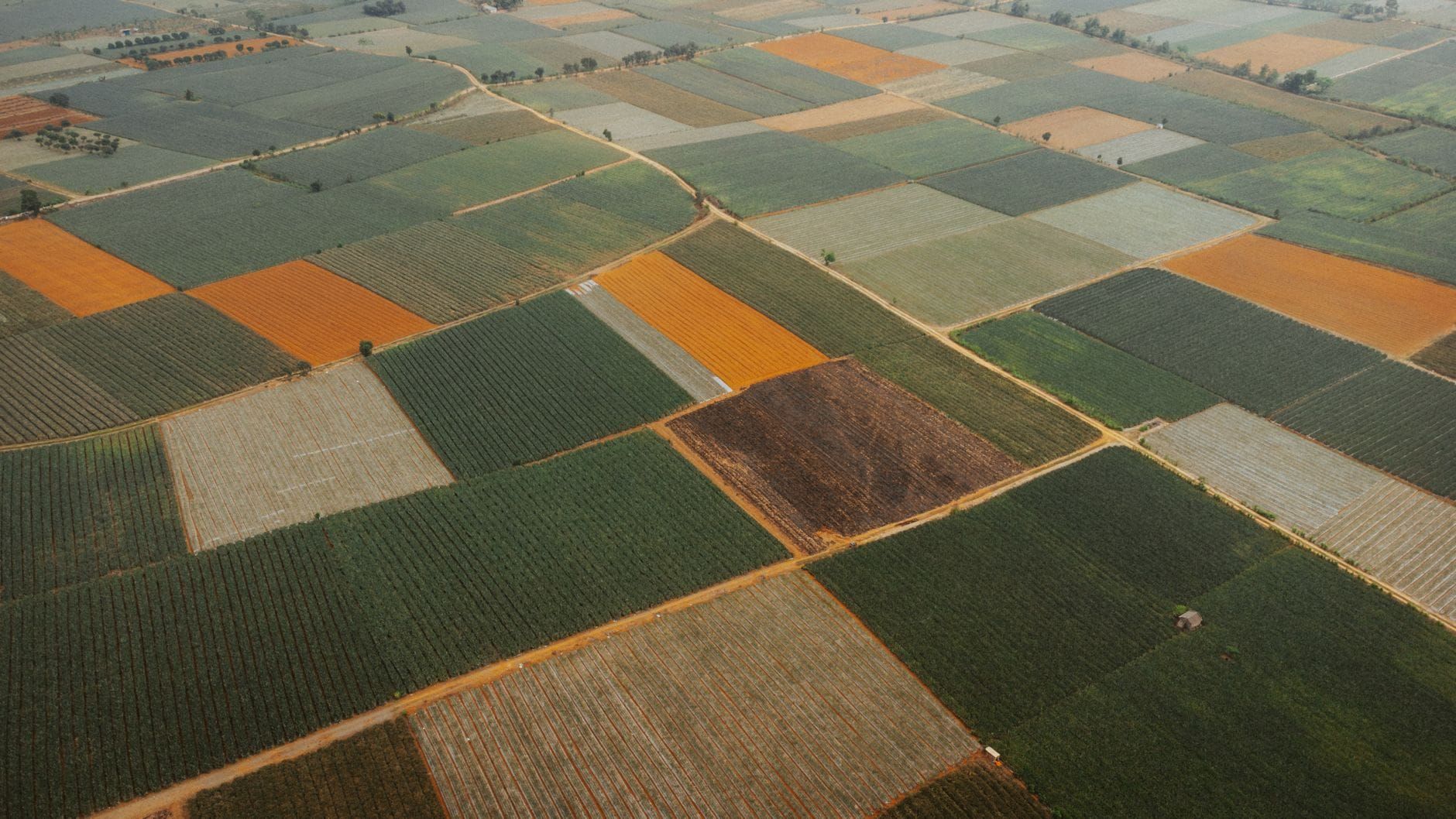
From 24 to 26 August 2026 in Kigali, the FAO convened eight East African nations for the Hand-in-Hand Investment Forum. The goal: convert chronically under-funded agricultural potential into concrete investment across high-export-value value chains. The timing is strategic, opening a dense sequence of major events on African food systems in the coming weeks.
Eight Countries, One Common Ambition
Djibouti, Eritrea, Ethiopia, Kenya, Rwanda, Somalia, South Sudan and Uganda participated in the three-day event hosted in Kigali. The forum spotlighted shared structural challenges: climate change, inadequate infrastructure, high transport costs and limited access to agricultural finance.
Six priority value chains were identified: coffee, livestock and dairy, fisheries, horticulture, cereals and oilseeds — all offering strong export potential and foreign exchange generation, provided targeted investment in processing and logistics is secured.
From Ideas to Investment
FAO Representative Mohamed Aw Dahir set the bar: « Our success will be measured by our ability to turn ideas into investments that deliver tangible benefits to farmers and communities. » The Hand-in-Hand initiative was designed precisely for this — connecting farmers, governments and private investors through structured facilitation.
Why It Matters
East Africa is the continent's fastest-growing region, but it suffers a stark paradox: its population is predominantly rural and agricultural, while external financing gravitates to tech and fintech. The Kigali Hand-in-Hand Forum attempts to correct this distortion. For Indian Ocean countries that trade with the region — exporting or importing staple crops — stabilising East African agriculture is a direct regional food-security concern.