
On July 2nd, 2026, the World Bank approved a USD 750 million loan — equivalent to KSh 97 billion — for Kenya. This Development Policy Operation (DPO) targets four strategic pillars: public financial management, governance, social protection, and anti-corruption.
Massive Support for State Reform
This loan does not fund physical infrastructure but rather institutional and policy reforms — a strong signal of confidence from the World Bank in President William Ruto government. Nairobi has been pursuing a demanding fiscal consolidation path since 2023, with mixed results: growth remains solid at +5.3% in Q1 2026 per World Bank data, but tax pressure fuelled significant social unrest in 2024 and 2025.
Anti-Corruption at the Heart of the Agreement
The explicit inclusion of anti-corruption measures in the DPO conditions is noteworthy. It reflects persistent concerns from international donors about Kenyan governance, but also Ruto stated intention to break with past practices. Kenya had also enacted its Sovereign Wealth Fund law in June 2026, reserving 30% of mining revenues for future generations — another signal of institutional maturity.
A Regional Repositioning Context
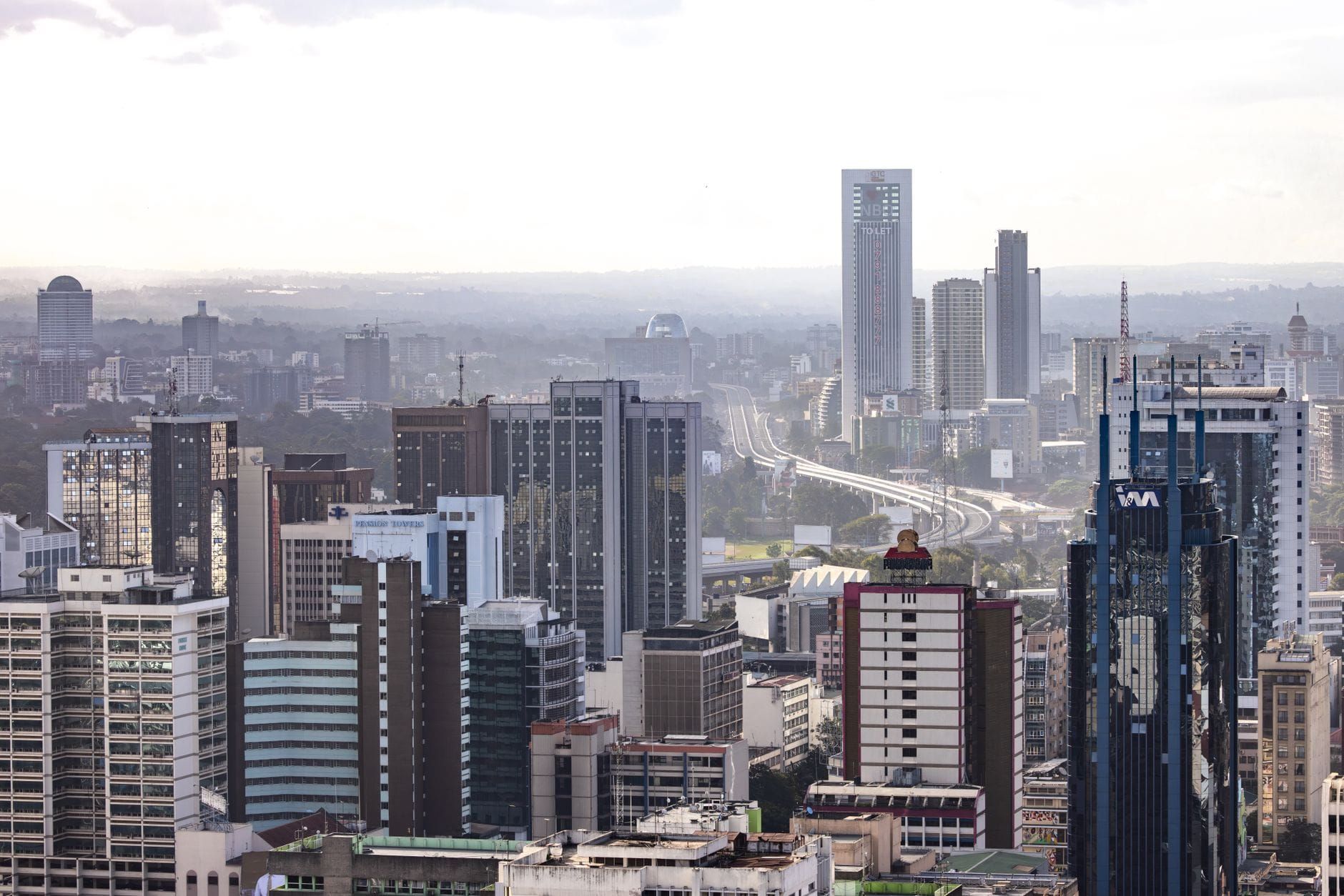
This loan comes as Kenya is repositioning itself as a financial and economic hub for East Africa. Nairobi already hosts the regional headquarters of many multinationals and NGOs. Kenya has also committed to injecting USD 40 million to support African finance, and is targeting a new IMF financing agreement to consolidate its trajectory. The World Bank, however, has revised its growth forecast down to 4.3% for 2026, after the Q1 peak of 5.3%.
Why It Matters
A financially sound and well-governed Kenya is an anchor of stability for the entire East Africa region. For investors active in the region — particularly those based in Mauritius or Réunion — the strengthening of Kenyan institutions broadens opportunities across the COMESA zone and reinforces the Indian Ocean relevance as a trade corridor between Asia, Africa, and Europe.