
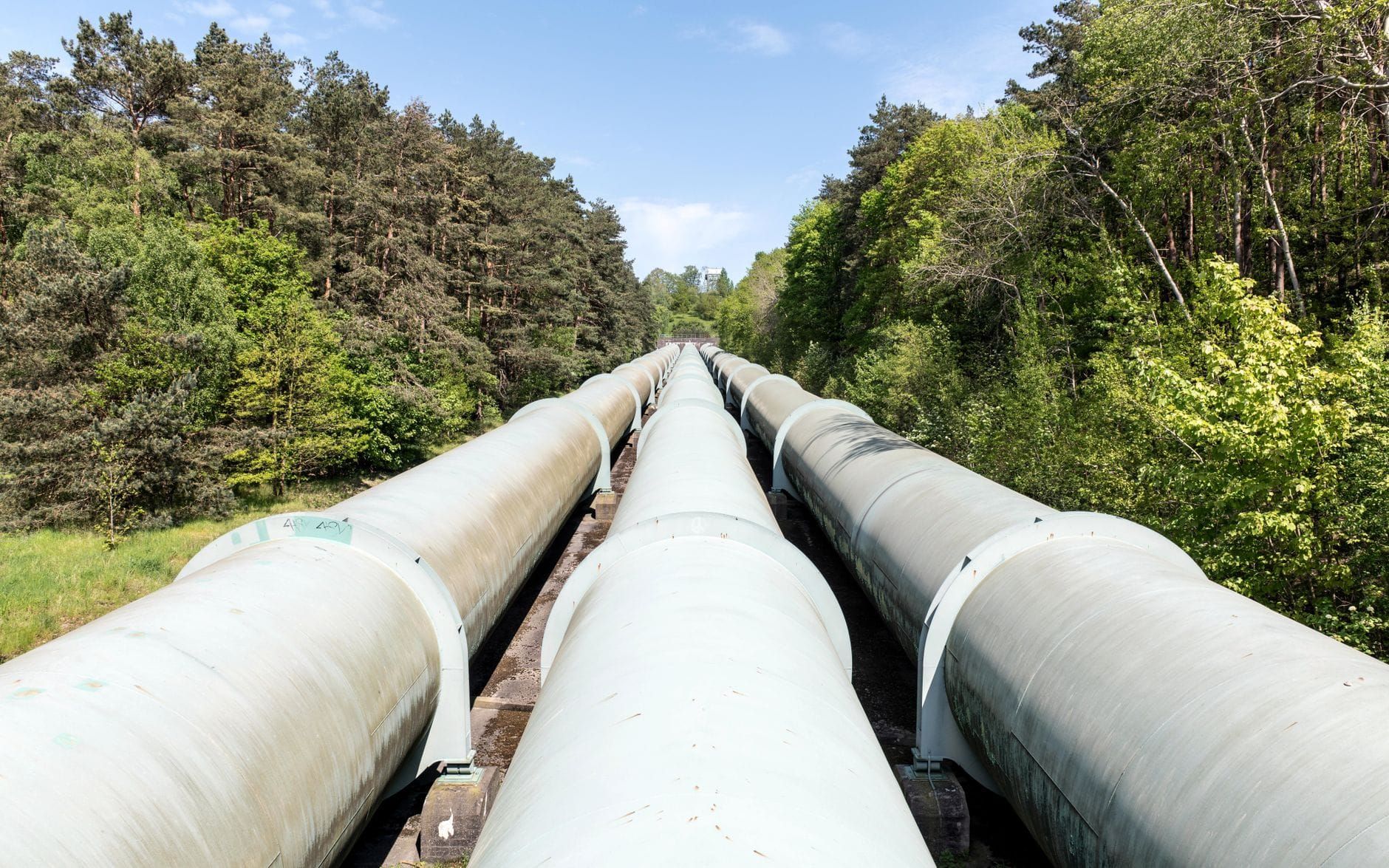
NAIROBI, October 21, 2026 — Aliko Dangote, founder and CEO of Dangote Industries and Africa's richest man, announced in London on October 21 the acquisition of 24.76% of Kenya Pipeline Company (KPC) for approximately $327 million (KES 42.5 billion). The block deal, executed on the Nairobi Securities Exchange (NSE), values the entire KPC at approximately KES 163.9 billion — one of the largest private deals in East Africa's energy history.
1,342 km of critical arteries for the region
Founded in 1973 and commercially operational since 1978, KPC operates a pipeline network of 1,342 km connecting the port of Mombasa to Kenya's inland markets and landlocked neighbouring countries — Uganda, Rwanda and Burundi. The company handles up to 14 billion litres of petroleum products per year. In 2026, the Kenyan government floated KPC on the stock exchange, selling 65% of its capital to private investors. Dangote now becomes the largest private shareholder in this strategic infrastructure.
The Lamu refinery: $16–17 billion under construction
This acquisition is part of a broader vertical integration strategy. On September 30, 2026, Dangote Industries broke ground on its future Lamu refinery, with an estimated cost of $16–17 billion and a capacity of 700,000 barrels per day. President William Ruto's government announced a Kenyan state stake via the National Infrastructure Fund. Additionally, 20% of Dangote's Nigerian refinery IPO — up to $300.4 million — is reserved for East African investors at KES 53.50 per share as GDRs.
AfDB and Equity Bank lend support
In the same week, the African Development Bank (AfDB) and Equity Bank Kenya signed a $60 million guarantee to support international trade financing in Kenya. These two initiatives reinforce Kenya's capacity to attract private capital for strategic infrastructure and cement its position as a regional energy hub.
Why it matters
By controlling both a strategic pipeline and a future regional refinery, Dangote Industries is becoming the central actor in East Africa's energy security. For Indian Ocean territories — Mauritius, Réunion, Madagascar — the reshaping of petroleum supply chains in the region could ultimately influence fuel costs and logistics flows across the basin. East Africa is firmly asserting itself as a magnet for the continent's largest capital players.
Sources: Nairametrics, Nation Africa, Business Daily Africa, French Treasury — AEOI Economic Briefs, week of October 19, 2026.