
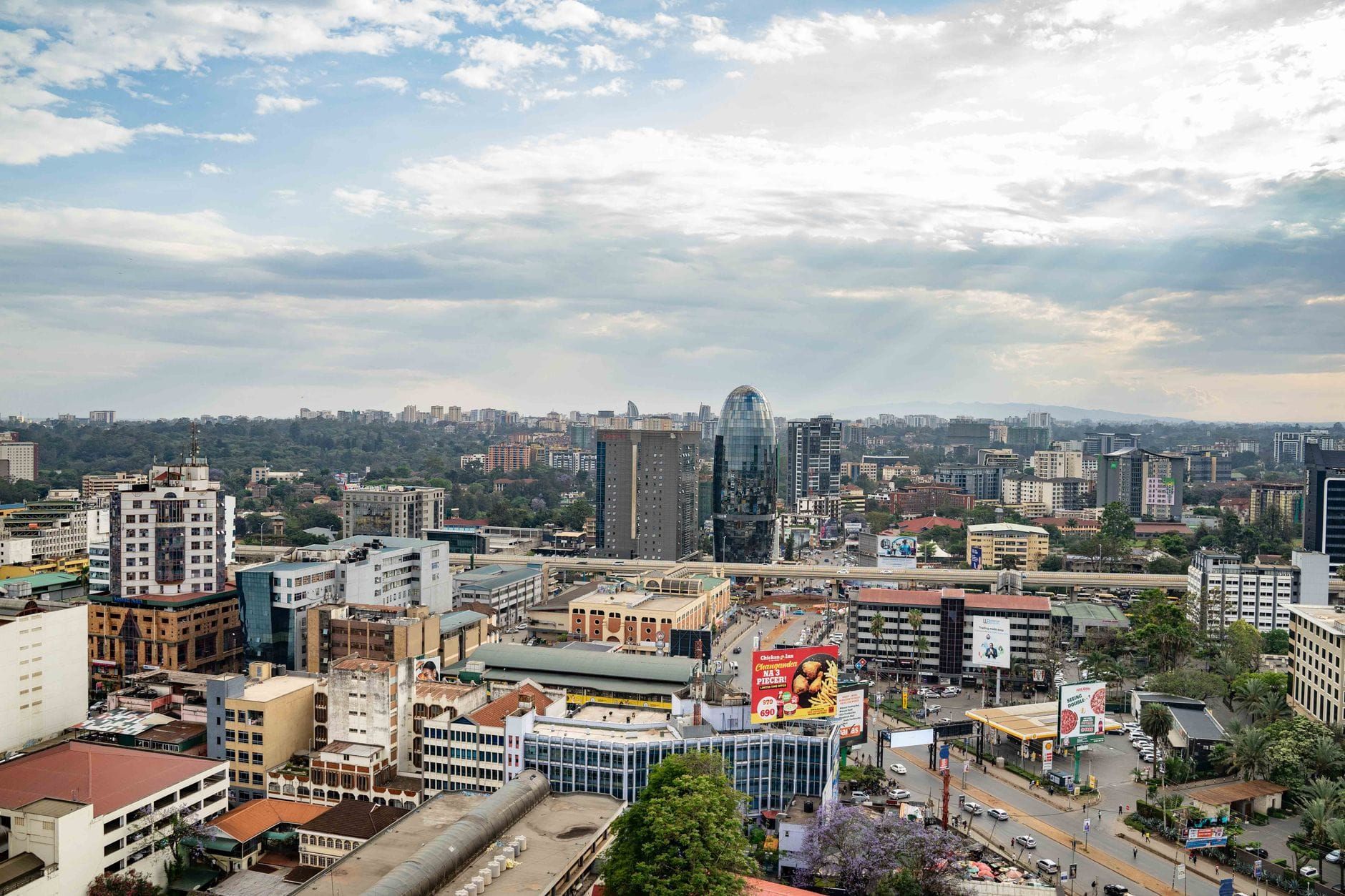
Kenya's economy expanded 5.3% in the first quarter of 2026, according to the Kenya National Bureau of Statistics (KNBS). This marks the country's strongest quarterly growth since late 2023, driven by a booming tourism sector and accelerating construction activity.
Tourism: the Primary Growth Engine
The accommodation and food services sector recorded the most dramatic surge at +14.7% year-on-year, up from 8.0% the previous year. International airport arrivals jumped 13.1% to reach 506,622 passengers in the quarter — a reflection of Kenya's growing appeal as a safari and conference destination across East Africa.
Construction, Industry and Credit on the Rise
Construction grew 6.6% (up from 4.5% in Q1 2025), with cement consumption rising 17.7% to 2.81 million tonnes and vehicle assembly climbing 18.1% to 3,983 units. Financial and insurance services posted a solid +6.3%. Private sector credit expanded 8.5% to reach KSh 5.17 trillion.
Agriculture and Mining Hold Firm
Agriculture — Kenya's largest GDP contributor — posted +4.9% growth. The mining and quarrying sector surged 9.1%, fuelled by regional demand for raw materials. Manufacturing rose to +4.4%, up from +2.8% in Q1 2025.
Warning Signs to Monitor
Average inflation ticked up to 4.35% from 3.45% a year earlier. The current account deficit also widened to KSh 120.9 billion. The World Bank revised its 2026 full-year growth forecast down to 4.3% due to global geopolitical uncertainty — short of the government's own targets.
Why It Matters
Kenya's Q1 2026 rebound confirms that East Africa remains one of the continent's most dynamic growth zones. For investors and operators across the Indian Ocean region — Mauritius, Madagascar and the Comoros chief among them — this is a positive signal: Kenyan demand for financial services, regional tourism and manufactured goods remains robust. Nairobi remains the natural gateway to a fast-growing market of 60 million people.
Sources: Kenya National Bureau of Statistics (KNBS), World Bank, Kenyan Wallstreet.