
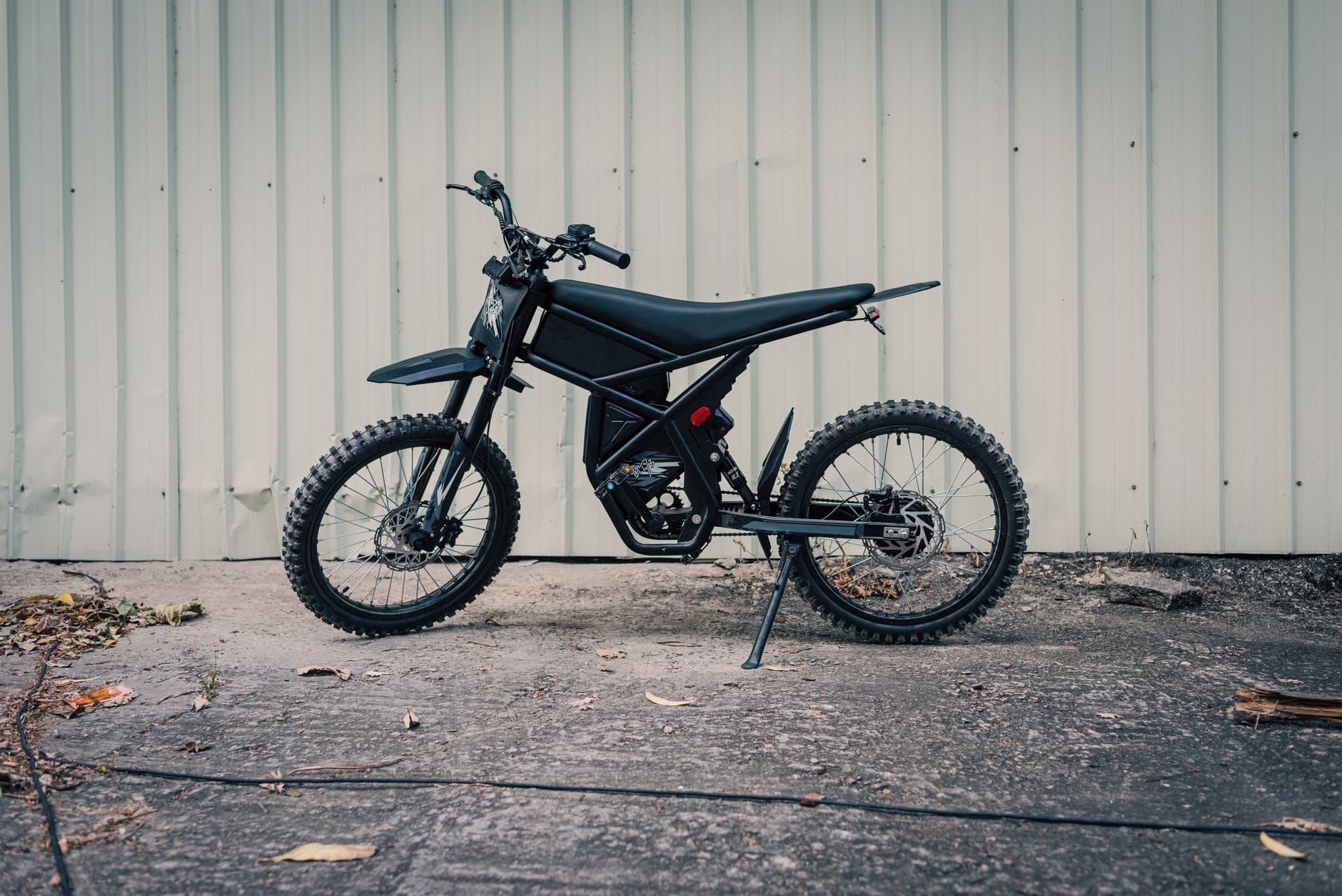
M-KOPA Kenya Mobility, the e-mobility arm of Kenyan group M-KOPA, closed a $30 million green debt facility with FMO, the Dutch development bank, on 23 July 2026. The goal: accelerate financing for electric motorcycles for boda-boda riders, the iconic motorcycle taxis of East Africa.
5,000 Electric Motorcycles Already on Kenyan Roads
M-KOPA counts more than 5,000 electric motorcycles sold in Kenya since launching its e-mobility business. Riders who adopted the model report higher incomes and lower daily costs than on petrol bikes, primarily because fuel expenses disappear entirely. The acquisition model relies on pay-as-you-go — M-KOPA's trademark since its solar energy origins: the motorcycle is progressively unlocked as the rider makes payments, with no upfront capital required.
FMO and the Rise of African Green Finance
The $30 million facility is structured as green debt, meeting FMO's environmental impact criteria. The transaction is part of a broader trend: in H1 2026, development finance institutions (DFIs) became the leading source of first-check investments in African startups, according to LaunchBase Africa's analysis, which also names IFC, Proparco and AXIAN Investment among the most active equity investors. M-KOPA Mobility has also struck an operational partnership with Bolt to deploy an electric motorcycle fleet in major Kenyan cities.
Why It Matters
The two-wheeled motorised vehicle market represents millions of units across sub-Saharan Africa. Electrifying these vehicles reduces urban CO₂ emissions, improves rider incomes and seeds local charging infrastructure. For the Indian Ocean and East Africa, the M-KOPA model is replicable: in Madagascar, Réunion Island and the archipelagos, the motorcycle is often the first — or only — individual motorised mode of transport. The transition to electric mobility in the light-vehicle segment is one of the major economic and climate challenges of the coming decade for the region.
Sources: LaunchBase Africa, WeeTracker, FMO (23 July 2026).