
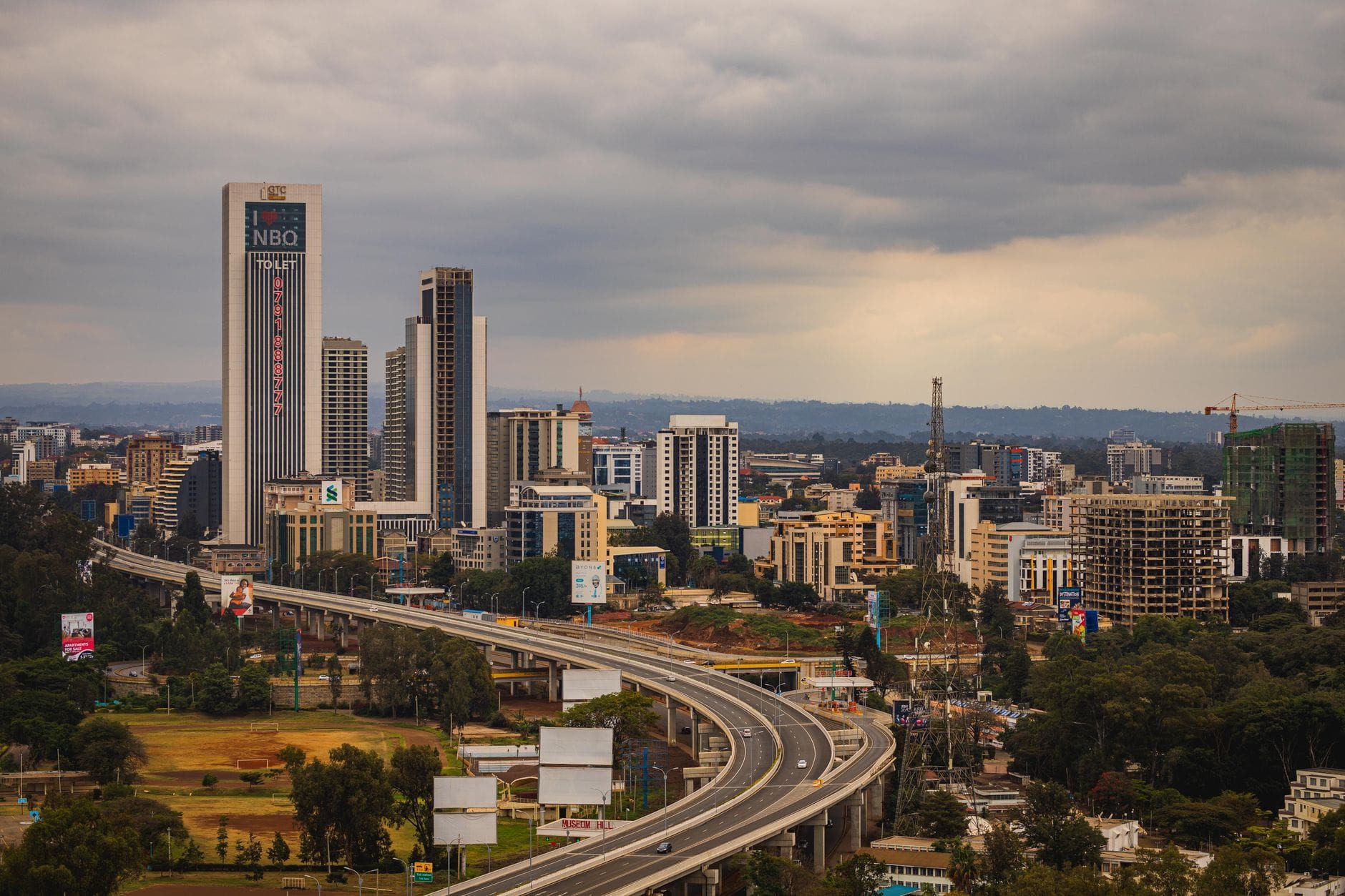
The African Development Bank (AfDB) is raising its voice. In its latest report on East Africa's economic outlook, the multilateral institution calls on governments across the region for «bold financing reforms» to avoid squandering quality growth. Kenya, whose GDP is expected to grow 5.2–5.3% in 2026 according to Kepsa and UNECA, is in the front line of this challenge.
Solid Fundamentals, Persistent Risks
Regional growth is robust — 5.8% on average for East Africa in 2026. But the AfDB is concerned about its sustainability. State indebtedness is rising, public finances remain constrained, and vulnerability to external shocks — notably global trade disruptions and the effects of American protectionism — remains elevated in a region still heavily dependent on commodity exports.
AfDB-Recommended Reforms
The institution recommends several priority axes: diversifying funding sources (green bonds, local capital markets, public-private partnerships), strengthening domestic tax resource mobilisation, and better allocating public spending towards high social-impact sectors — health, education, digital infrastructure.
Kenya: Between Assets and Challenges
With a dynamic services sector, a thriving fintech ecosystem, and growing connections to regional markets, Kenya has the assets to embody these reforms. But Nairobi still needs to consolidate its public finances after several years of significant deficits, and manage the pressure on external debt that has absorbed a significant share of tax revenues.
Why It Matters
Only 7 of 234 Sustainable Development Goal indicators are on a favourable trajectory in the region. Without ambitious financing reforms, growth risks benefiting financial markets and exporters more than local populations. The AfDB's message is unambiguous: the time for diagnosis is over — structural, coordinated action among regional states is now needed.
Sources: AfDB, UNECA, Kepsa, East African, August 2026.