
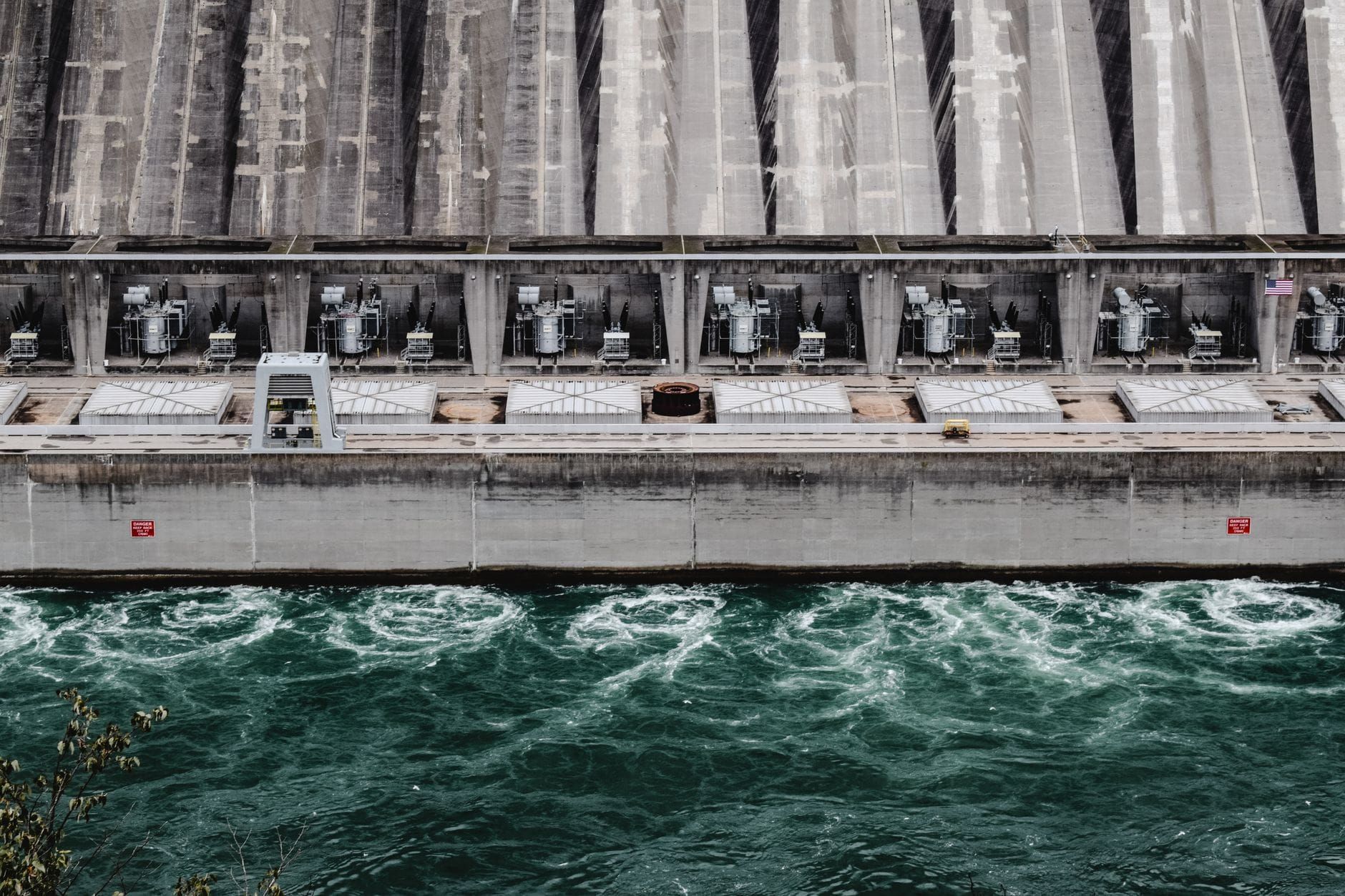
Signed on July 10, 2026, between Ethiopian Electric Utility and Kenya Power, this landmark 25-year agreement places the Grand Renaissance Dam at the heart of East African energy integration — a powerful signal for the entire region, including Indian Ocean nations within the EAPP framework.
A Contract That Redraws the Regional Energy Map
Ethiopian Electric Utility (EEU) and Kenya Power and Lighting Company (KPLC) formalized a long-term power purchase agreement on July 10, 2026. The agreed tariff stands at 15.5 US cents per kilowatt-hour — equivalent to 24.07 Ethiopian birrs — plus an additional capacity charge of 1,010.89 birrs. EEU CEO Getu Geremew and KPLC CEO Joseph Siror signed the deal, building on a framework agreement from 2022.
The primary source is the Grand Ethiopian Renaissance Dam (GERD), which now exceeds 5,000 MW of installed capacity — one of the most powerful hydroelectric facilities on the African continent.
The Eastern Africa Power Pool Shifts Into High Gear
The agreement fits squarely within the Eastern Africa Power Pool (EAPP), the regional initiative designed to enable electricity trade among 13 East African countries — including the Comoros and Seychelles. For Kenya Power, the stakes are twofold: securing supply against growing demand while reducing dependence on imported fossil fuels.
Ethiopia-Kenya border areas will be among the first to benefit, with improved electricity reliability expected in historically underserved regions.
A Blueprint for African Energy Corridors
« This agreement is a concrete demonstration of what regional integration can deliver, » both parties emphasized. Beyond the commercial dimension, it sets a model for energy partnerships that could inspire other corridors — toward Djibouti, Somalia, and eventually Indian Ocean Commission member states.
East Africa, which posted 6.6% growth in 2025 according to the African Development Bank, must secure adequate energy supply to sustain this momentum.
Why It Matters
East Africa's electricity demand is projected to double by 2035. Without cross-border interconnections, the continent's fastest-growing economies risk being held back by structural energy shortfalls. This 25-year deal between Ethiopia and Kenya lays a critical foundation — proving that a regional East African energy market is now under construction, not merely an abstract ambition.
Sources: Ecofin Agency, Capital Ethiopia, July 2026.