
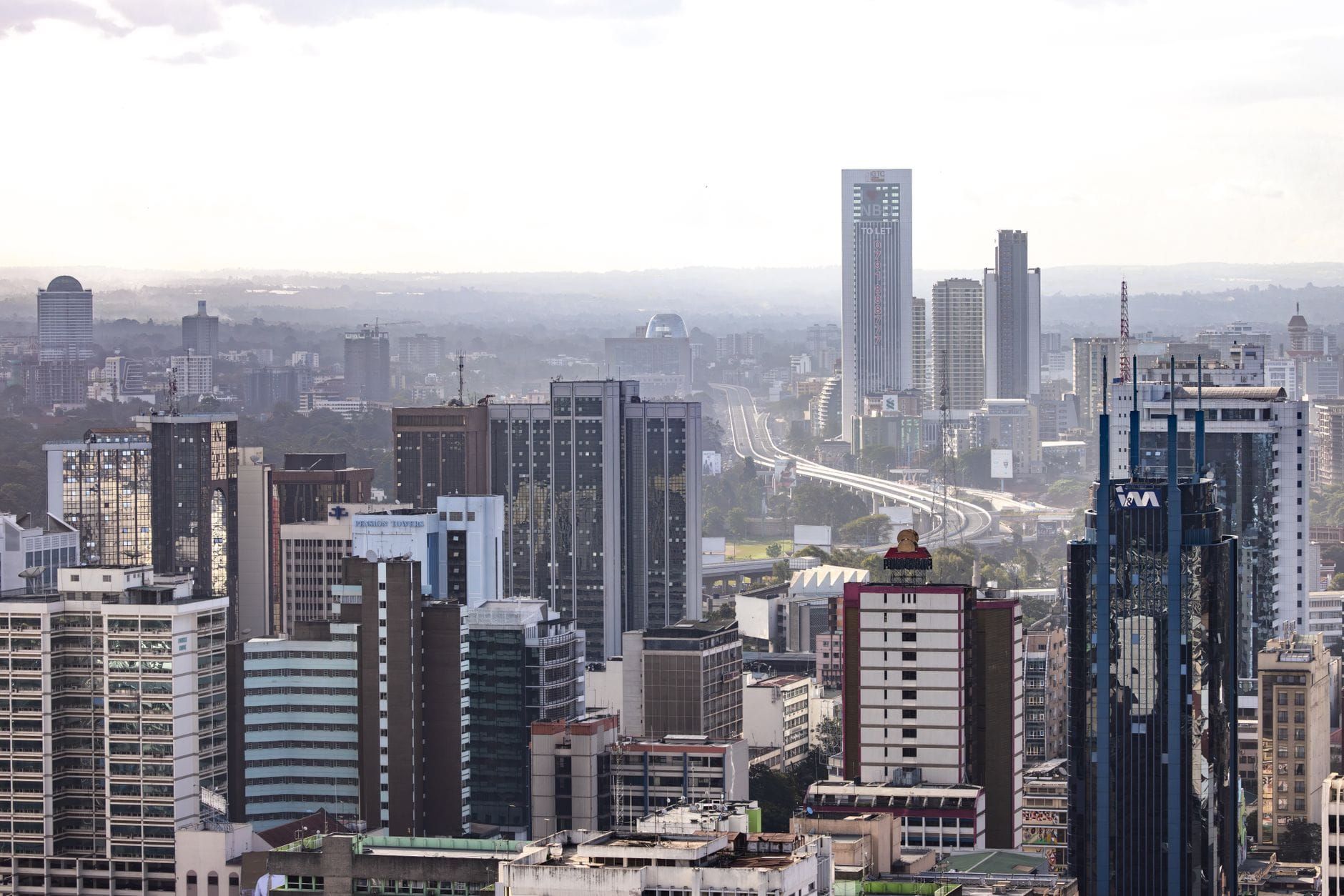
With projected growth of 5.8% in 2026 — against a continental average of 4% — East Africa is cementing its role as Africa's economic engine. Leading the charge: Ethiopia at 6.3% and Kenya, an indispensable regional hub. A momentum that opens concrete investment windows for Indian Ocean operators.
The Continent's Most Dynamic Region
The AfDB and IMF 2026 projections are aligned: East Africa advances at 5.8%, accelerating from 5.4% in 2025. All other African sub-regions trail behind: West Africa at 4.4%, North Africa at 4.1%, Central Africa at 3%, and Southern Africa at just 2%. The differential is striking.
Ethiopia leads with 6.3% growth, driven by improved macroeconomic stability, robust agricultural output, the expansion of textile export industries, and the progressive commissioning of the Grand Ethiopian Renaissance Dam (GERD). The restructuring of Ethiopia's external debt — approximately USD 8.4 billion reconfigured under the G20 Common Framework — further secures the country's financial profile for international investors.
Kenya: A Hub Delivering on Its Promise
Kenya is consolidating its role as a regional business and financial centre. Developed capital markets, a growing technology ecosystem (the "Nairobi Silicon Savannah"), and logistical advantages for the East African corridor are attracting increasingly diversified investment flows. The Nairobi Securities Exchange (NSE) ranks among Africa's best-performing stock markets in H1 2026.
Both engines are lifting neighbouring economies: Tanzania received a USD 80 million Standard Bank injection in July, and Uganda benefits from regional supply chains reinforced by the Mombasa corridor.
Challenges That Temper Optimism
The growth is real, but so are the vulnerabilities. Africa's average public debt-to-GDP ratio stands at 63%, with interest payments absorbing nearly 15% of public revenues. Ethiopia remains among African nations still classified as being in debt distress. Moreover, the expiry of AGOA (the US preferential market access law) threatens 300,000 direct jobs in Kenya's textile sector — a vulnerability Nairobi is working to offset through trade partner diversification.
Why It Matters
For businesses and investors in the Indian Ocean region, East Africa is the natural expansion frontier. Ongoing trade agreements — the EU-OI EPA and the African Continental Free Trade Area (AfCFTA) — are making this connection more accessible. The AfCFTA alone could generate USD 141 billion in additional GDP by 2045 and increase intra-African trade by 45%. Mauritius, as a financial and logistics hub, is ideally placed to serve as a bridge between the Indian Ocean and this fast-growing market.
Sources: AfDB, IMF, Serrari Group, Africa Solutions Media Hub (2026).