
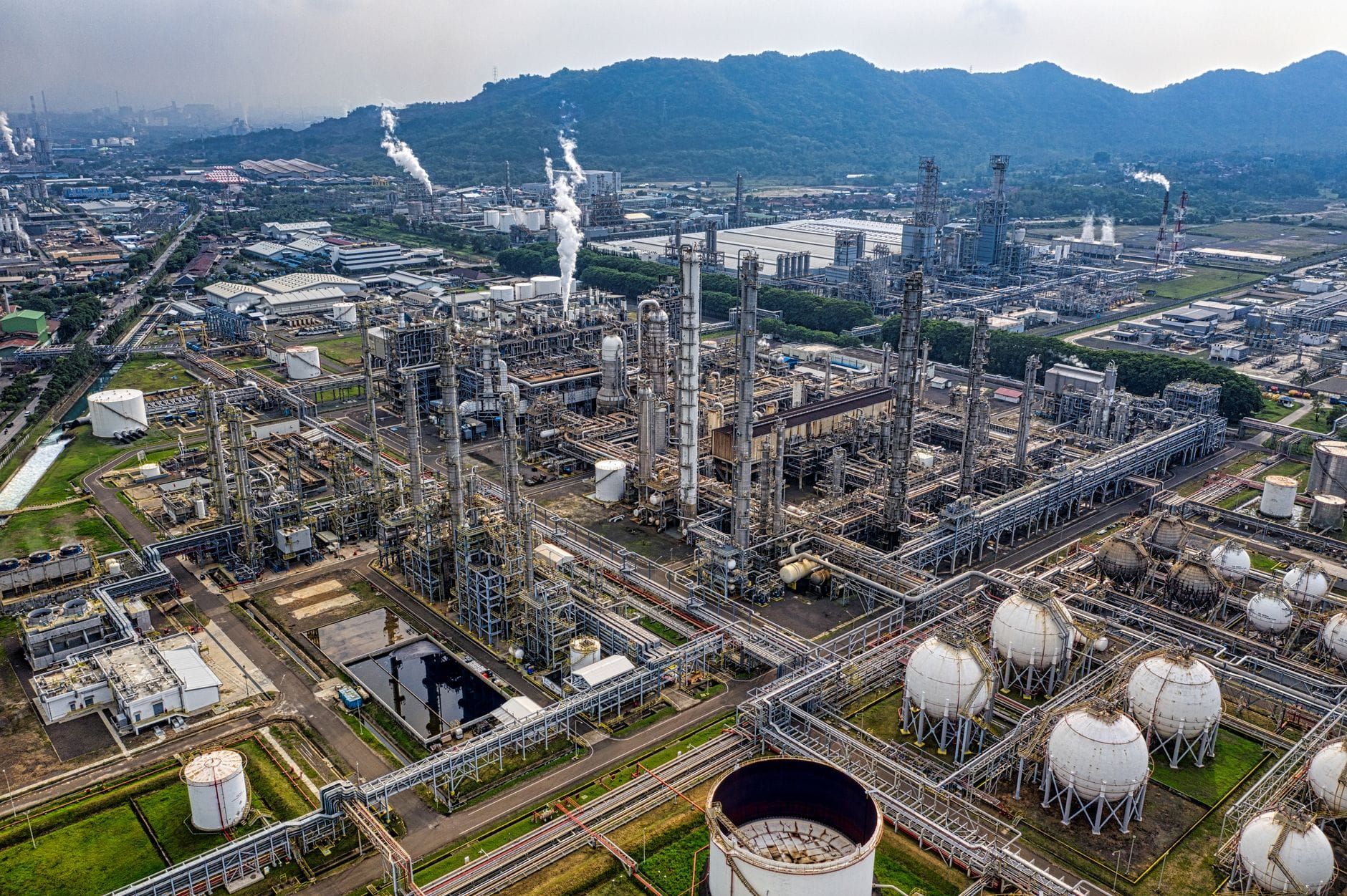
Aliko Dangote, Africa's richest man, has chosen Lamu, on Kenya's coast, to build East Africa's largest oil refinery. With a planned capacity of 700,000 barrels per day and an investment of $17–20 billion, the project is reshaping the continent's industrial ambitions — though it faces enormous logistical hurdles.
A Strategic Choice for East Africa
The announcement, confirmed in July 2026 by a senior Dangote Group official to AFP, ends months of speculation about where this colossal project would be built. Lamu, a developing port on Kenya's northern coast, was chosen over other regional sites. The location is far from coincidental: Lamu is the anchor point of the LAPSSET corridor (Lamu Port-South Sudan-Ethiopia Transport Corridor), one of Africa's most ambitious infrastructure projects, linking Kenya, South Sudan and Ethiopia.
The refinery, estimated to take 30 months to build, would surpass Dangote's Nigerian facility in capacity (650,000 bpd), already the largest in Africa. If it comes to fruition, it would mark a major qualitative leap for regional industrialisation.
Fixing Africa's Refining Paradox
The project targets one of the continent's most glaring contradictions: sub-Saharan Africa exports 75% of its crude oil to foreign refineries, then reimports 70% of its refined products — petrol, kerosene, diesel — at a premium. This dependency costs African economies billions of dollars annually, in industries where they could be capturing far more of the value chain.
For Dangote, Lamu is an opportunity to replicate his Nigerian model in the East, tapping a regional market of hundreds of millions of consumers and positioning at the crossroads of Indian Ocean shipping lanes. "Africa is open for business and people are ready to get into these sectors," he declared.
Massive Hurdles Ahead
Analysts urge caution. The chief obstacle is crude supply: securing 700,000 barrels per day is an enormous challenge. South Sudan, a potential supplier, produces just 174,000 bpd and suffers from chronic instability. A 1,500km connecting pipeline from South Sudanese fields would cost an additional $1.5 billion. TotalEnergies' Ugandan fields could supplement supply, but their production timeline remains uncertain. "So many factors would need to align," one industry analyst told L'Énergeek.
Why It Matters
This project is bigger than Kenya. It signals that private African capital — led by major continental groups — is now ready to take industrial development into its own hands, without waiting for traditional donors. For the Indian Ocean region, a working refinery at Lamu would fundamentally alter fuel supply dynamics: Mauritius, Reunion, Madagascar and the Seychelles currently import 100% of their refined petroleum products. A competitive regional source would directly affect their energy costs and reduce dependence on Asian and Gulf suppliers.