
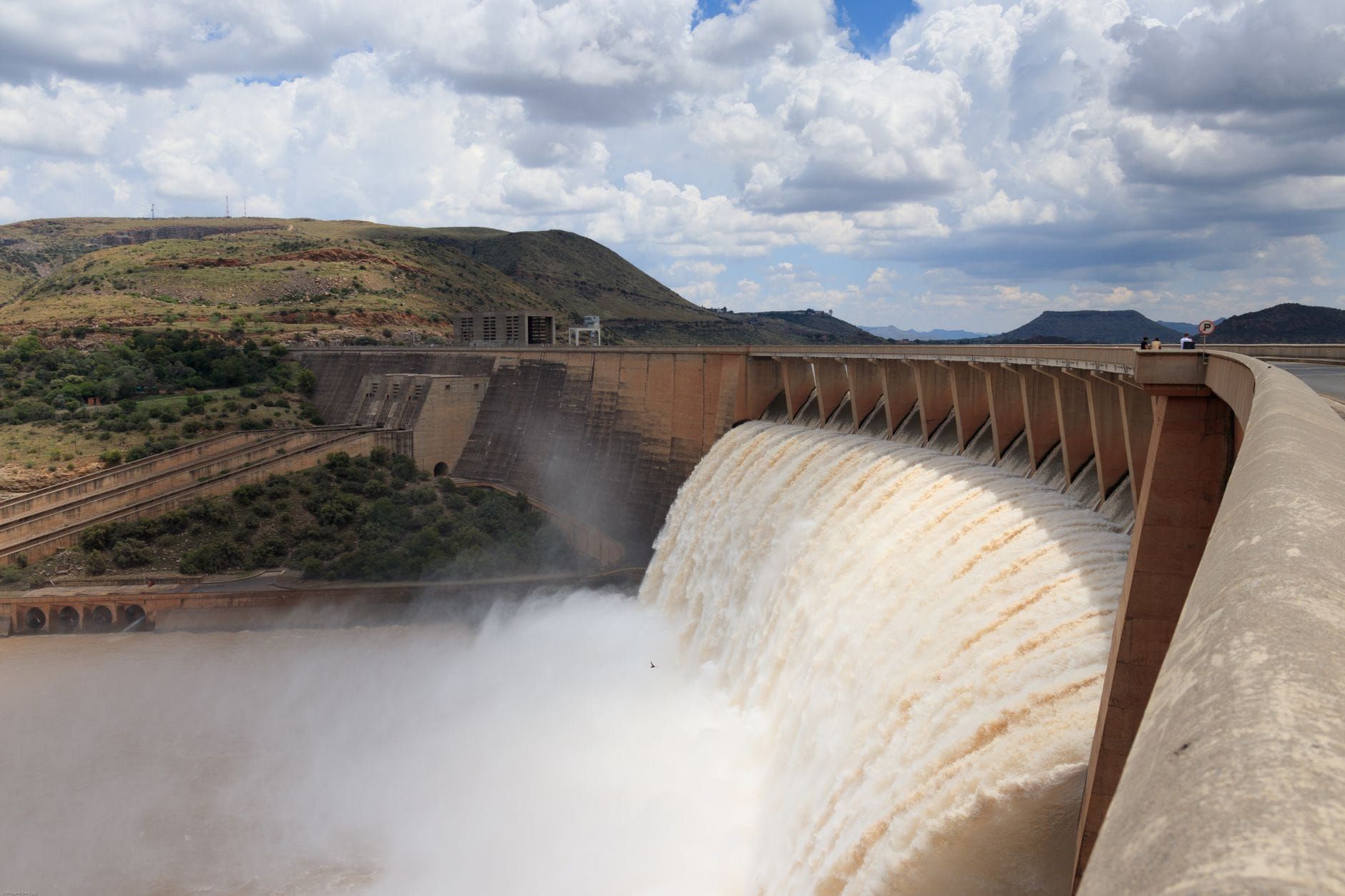
Inaugurated on August 22, 2026 by President Samia Suluhu Hassan, the Julius Nyerere Hydropower Plant (JNHPP) has turned Tanzania into a net electricity exporter in East Africa. The $3.35 billion investment — financed entirely with domestic funds — is redrawing the energy landscape across the region.
A Gigawatt to Spare — and That's Good News
With 2,115 MW of installed capacity, the JNHPP more than meets Tanzania's needs: the country now has a 2,375 MW surplus against a peak demand of 2,271 MW. For a country that was importing electricity just three years ago, the turnaround is remarkable. Hydropower now represents 60.3% of the national generation mix, up from less than 40% before commissioning.
Kenya, Zambia: The First Beneficiaries
Dar es Salaam wasted no time monetising its surplus. An electricity sales agreement was signed with Zambia, and a mutual-needs trading protocol is in place with Kenya. The Tanzania-Zambia Interconnector (TAZA) line — 98% complete — will physically connect Eastern and Southern African power pools, two regions previously disconnected, potentially covering more than 20 countries.
"This interconnection could transform East Africa into a continental energy hub," Energy Minister Deogratius Ndejembi stated at the inauguration.
100% Sovereign Financing
What distinguishes this project beyond its scale is its financing model. The Tanzanian government mobilised TZS 7.45 trillion ($3.35 billion USD) without any external borrowing — a strong signal to investors on fiscal strength and strategic autonomy. Construction began in 2019 and lasted six years.
Why This Matters for the Indian Ocean
For Indian Ocean island economies, this development creates indirect opportunity: a better-powered East Africa means lower industrial production costs, greater investment attractiveness, and ultimately a more robust trading partner. Madagascar, the Comoros, and Mauritius — whose businesses are embedded in regional value chains — stand to gain from greater energy stability on the continent.