
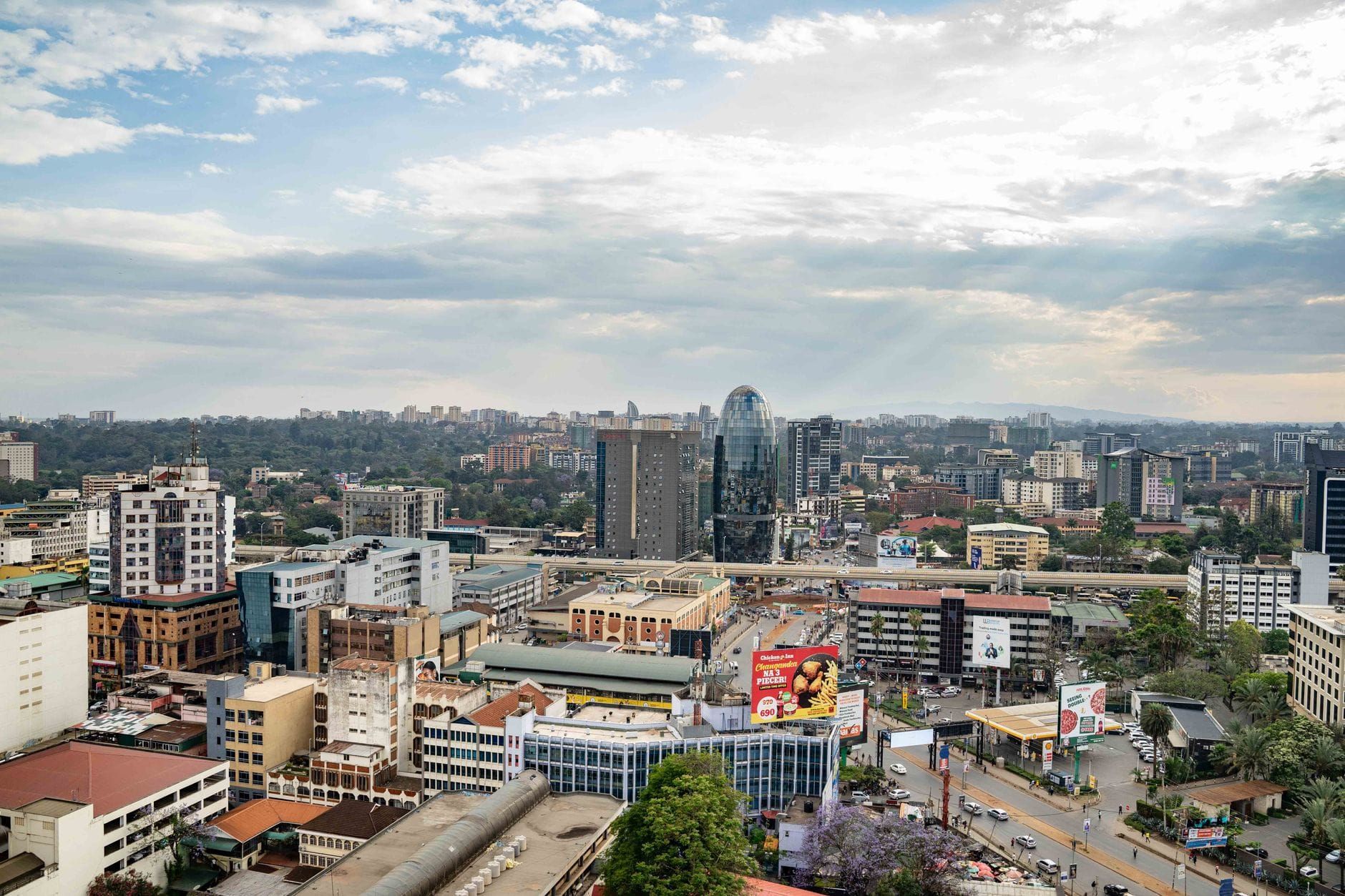
East Africa is establishing itself in 2026 as the continent's growth engine. According to the African Development Bank (AfDB) report published in May 2026, the region is projected to grow by 5.9% this year, outpacing North Africa (4.2%), West Africa (4.5%), and Southern Africa (2.7%). By 2027, the trajectory is set to accelerate further, to 6.4%.
The drivers of this performance
Three pillars explain this exceptional growth. First, a robust services sector, driven by digital technology, telecommunications, and mobile finance. Second, massive infrastructure investment — roads, ports, energy — creating the conditions for sustainable competitiveness. Third, growing regional trade integration, notably through the African Continental Free Trade Area (AfCFTA).
Ethiopia and Kenya are the region's twin locomotives, with growth rates exceeding 6%. Rwanda is projected at 7.2% (IMF), while Tanzania maintains a steady trajectory around 6%.
Risks not to be minimised
AfDB Chief Economist Kevin Chika Urama warns of several structural risks: macroeconomic instability linked to inflation, debt servicing straining public budgets, exchange rate volatility, and climate shocks. The AfDB also highlights the impact of the Middle East crisis on regional supply chains.
Among the 21 African countries projected to exceed 5% growth in 2027, five could surpass 7% — Rwanda included. For investors, these are the priority markets to watch.
Why it matters for the Indian Ocean
East Africa's dynamism creates direct opportunities for Indian Ocean businesses. Mauritius, as a regional financial hub, is ideally positioned to channel investment into these markets. Madagascar and the Comoros can integrate into regional agricultural and industrial value chains. East Africa is no longer distant — it is the IOC's continental neighbour.
Source: African Development Bank, 2026 African Economic Outlook, presented in Brazzaville, May 26, 2026