
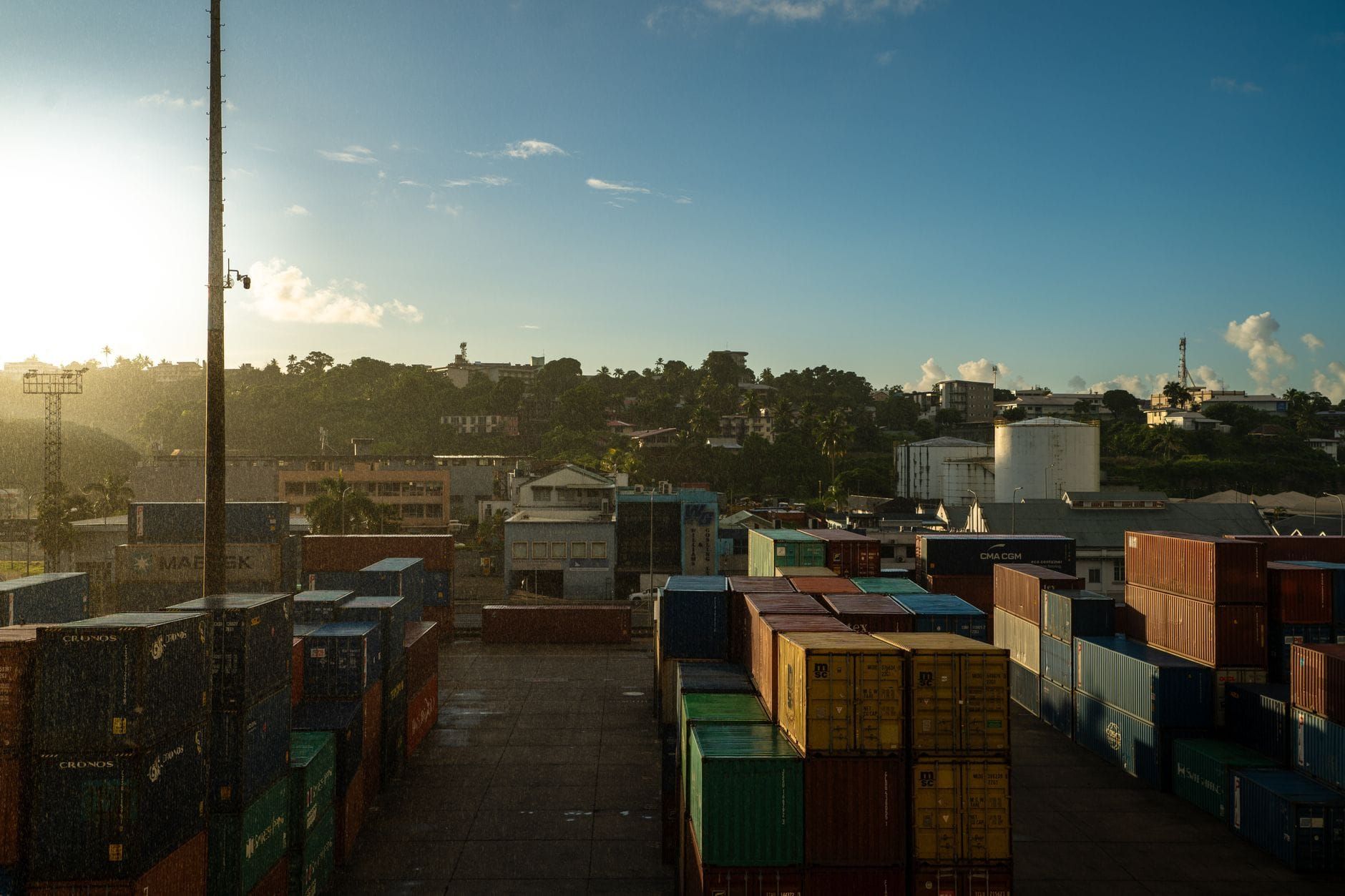
Seychelles industrial production rebounded by +18.1% in September 2026, according to data compiled by France's DG Trésor in its bulletin for the week of 2 November 2026. This is among the strongest readings in several quarters, marking a break from the depressed trend of the first half of the year and reigniting hopes of a durable recovery on the archipelago.
A Rebound After Contraction
In the first half of 2026, Seychelles recorded its first GDP contraction since 2023 — a period of turbulence driven mainly by softer tourist arrivals and rising import costs in a context of dollar strength. The archipelago's economy remains highly exposed to global cycles: tourism directly accounts for between 60 and 70% of GDP, with industrial fishing representing a meaningful share of export revenues.
The September industrial rebound comes alongside a renewed push: the Seychelles Tourism Board (STB) launched a new strategy in October to attract more resilient market segments, particularly MICE (meetings, incentives, conferences, exhibitions) business and high-spending premium visitors. The "quality over quantity" approach aims to reduce dependence on visitor volumes and increase average tourist spend.
Persistent Structural Challenges
Despite this positive signal, economists note that the Seychelles economy remains vulnerable to three factors: global tourism cycle volatility, the impact of climate change on marine and coastal ecosystems (coral bleaching, sea-level rise) and dependence on food and energy imports. The World Bank and African Development Bank both published reports in 2026 calling for stronger investment resilience.
Seychelles has genuine assets: its exclusive economic zone (EEZ) of 1.37 million km² offers significant potential in blue economy, offshore energy and sustainable fisheries. The challenge is to monetise these resources without compromising the natural environment that underpins its tourism appeal.
Why It Matters
For Indian Ocean regional partners, Seychelles' September 2026 rebound is a signal of resilience. It confirms that island economies — however small — can recover quickly when external demand improves. This dynamism is worth watching for regional logistics, tourism and financial players — notably in Mauritius and La Réunion — who see the archipelago as a complementary platform for their own development strategies.
Source: DG Trésor France — East Africa and Indian Ocean Economic Brief, week of 2 November 2026.