
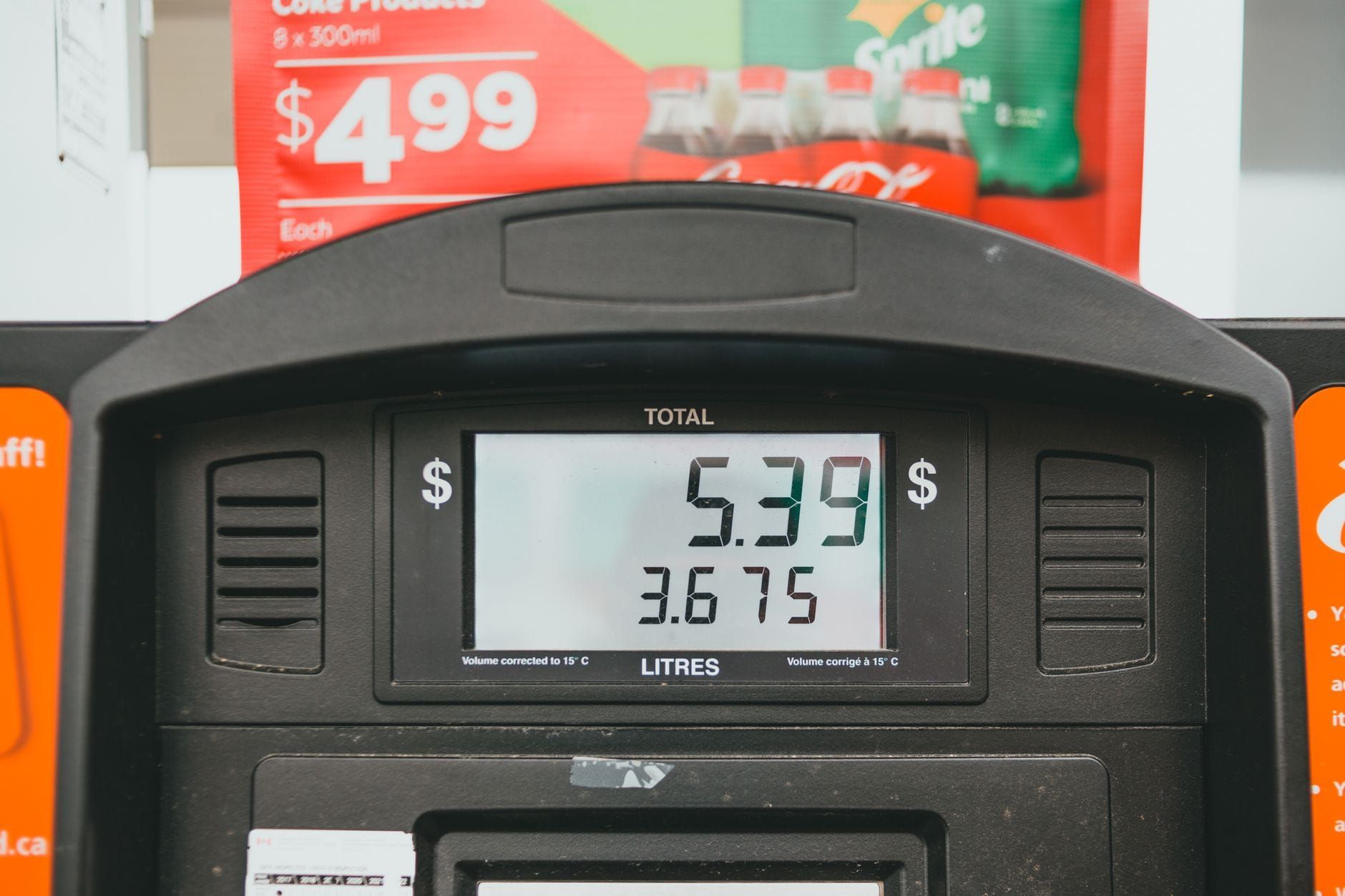
Since August 15, 2026, Senegalese motorists and transport operators are navigating a fresh round of fuel price increases. Petrol (super) rose to 990 FCFA per litre, while diesel now stands at 755 FCFA per litre. The government's decision was presented as unavoidable given the rebound in international oil prices and the unsustainability of fuel subsidies.
The State Caught in the Subsidy Dilemma
For years, Senegal maintained subsidised pump prices to protect household purchasing power and the competitiveness of transport businesses. But the bill became unmanageable. Soukeyna Ly, macroeconomist at the PRONA FUTURES think tank, sums up the situation: «When oil becomes more expensive on international markets, the increase eventually becomes felt — the state cannot indefinitely absorb the gap between the global price and the local price.»
This price revision illustrates a painful trade-off that several African oil-producing countries — including Senegal, which now belongs to that category following the start of its oil and gas production — must navigate: how to redistribute natural resource revenues without feeding a culture of subsidy dependency?
Immediate Impact on Transporters and Drivers
The immediate casualties are taxi drivers, road hauliers, and commercial vehicle operators. These actors typically operate on thin margins and lack the capacity to absorb fuel cost increases without passing some of them on through fares — which will mechanically feed inflation in consumer goods transported by road.
Transport unions have voiced concerns. Negotiations are under way to secure either targeted compensation or a revision of urban and inter-city public transport fare schedules.
A Signal of Shifting Economic Policy
This decision is part of a broader trend: the phased removal of hydrocarbon subsidies across many African economies (Ghana, Nigeria, Angola, Cameroon). The IMF and World Bank have long advocated these adjustments, citing budget efficiency and the reallocation of public resources toward productive investment.
Why It Matters
Senegal is a barometer. Its post-subsidy trajectory will be watched closely by other governments in the sub-region facing the same dilemma. How Dakar manages the transition — with or without a targeted social safety net for vulnerable households — will shape a model, or a cautionary tale, for West Africa and beyond.