
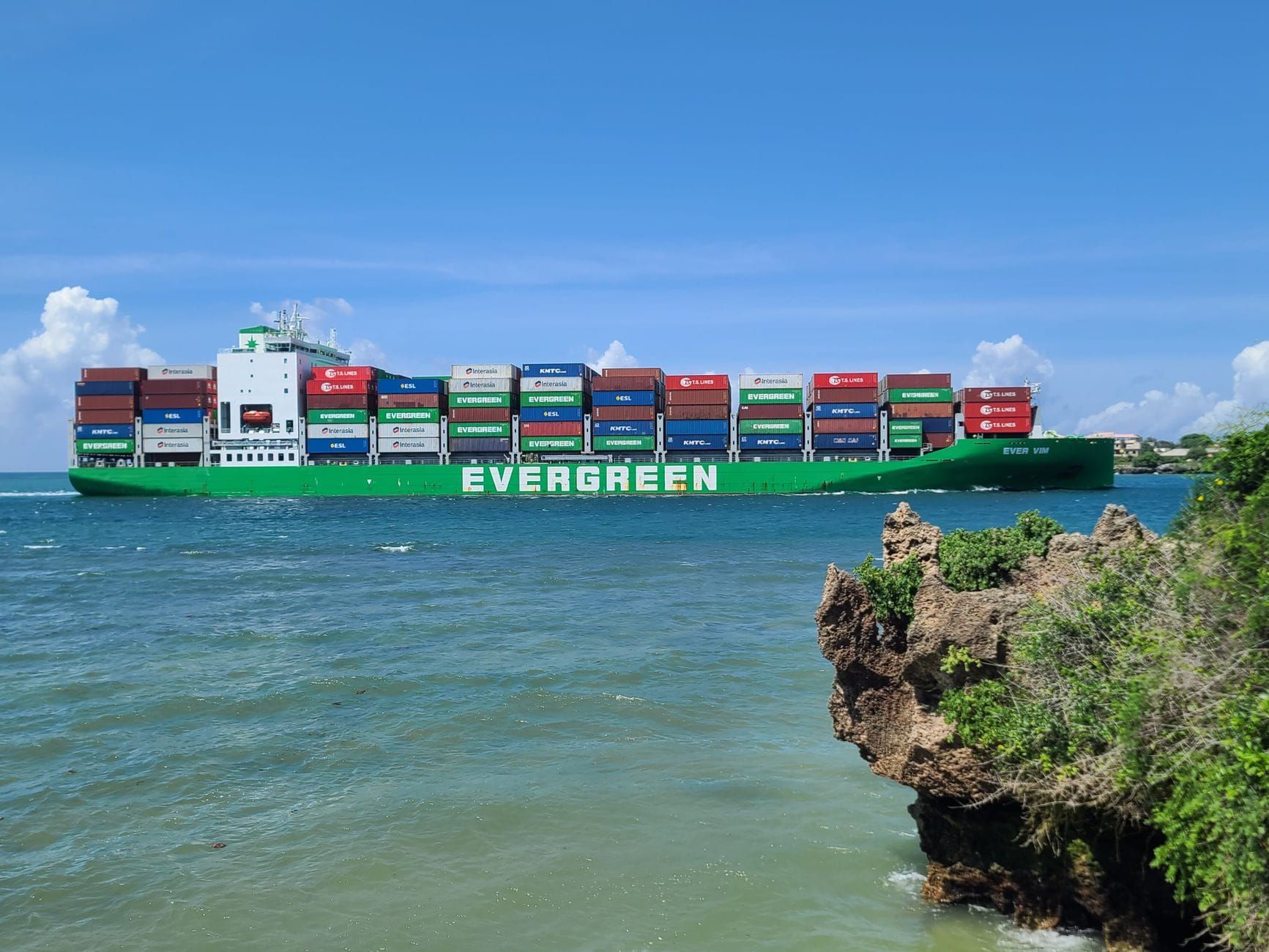
On 10 June 2026, the European Union concluded negotiations on a modernised Economic Partnership Agreement (EPA) with four Indian Ocean island states: Madagascar, the Comoros, Mauritius and the Seychelles. Both parties describe it as the first comprehensive and modern trade deal ever concluded between the EU and sub-Saharan African countries.
A Scope That Goes Far Beyond Tariffs
The previous EPA was largely limited to goods trade. The new agreement substantially broadens the scope: it now covers services, investment, digital trade and sectoral cooperation. Specific provisions aim to encourage local product processing, industrialisation and value creation in the four signatory countries — a major paradigm shift compared to earlier agreements (source: Agence Europe, 11 June 2026).
The deal has been described as a «first of its kind» with sub-Saharan African countries. It was also designed to remain open to other Eastern and Southern African states that may wish to join at a later stage.
Expected Impact on Trade and Investment Flows
The stated objectives are ambitious: boosting bilateral trade, improving supply chain resilience and supporting sustainable development across the four archipelagos. For Indian Ocean businesses, the key prize is preferential access to the European single market — the world's largest consumer market with nearly 450 million people and a GDP exceeding €17 trillion.
The next step is the formal signing of the agreement, which both parties want to bring into force as quickly as possible. Details on tariff schedules and arbitration mechanisms remain to be finalised before ratification.
Why It Matters
For the Indian Ocean, this EPA represents an opportunity to move beyond the raw material export model and commit to industrialisation and value-added services. Businesses that anticipate this agreement now — structuring their value chains and building European partnerships — will be first to benefit when it comes into force.