
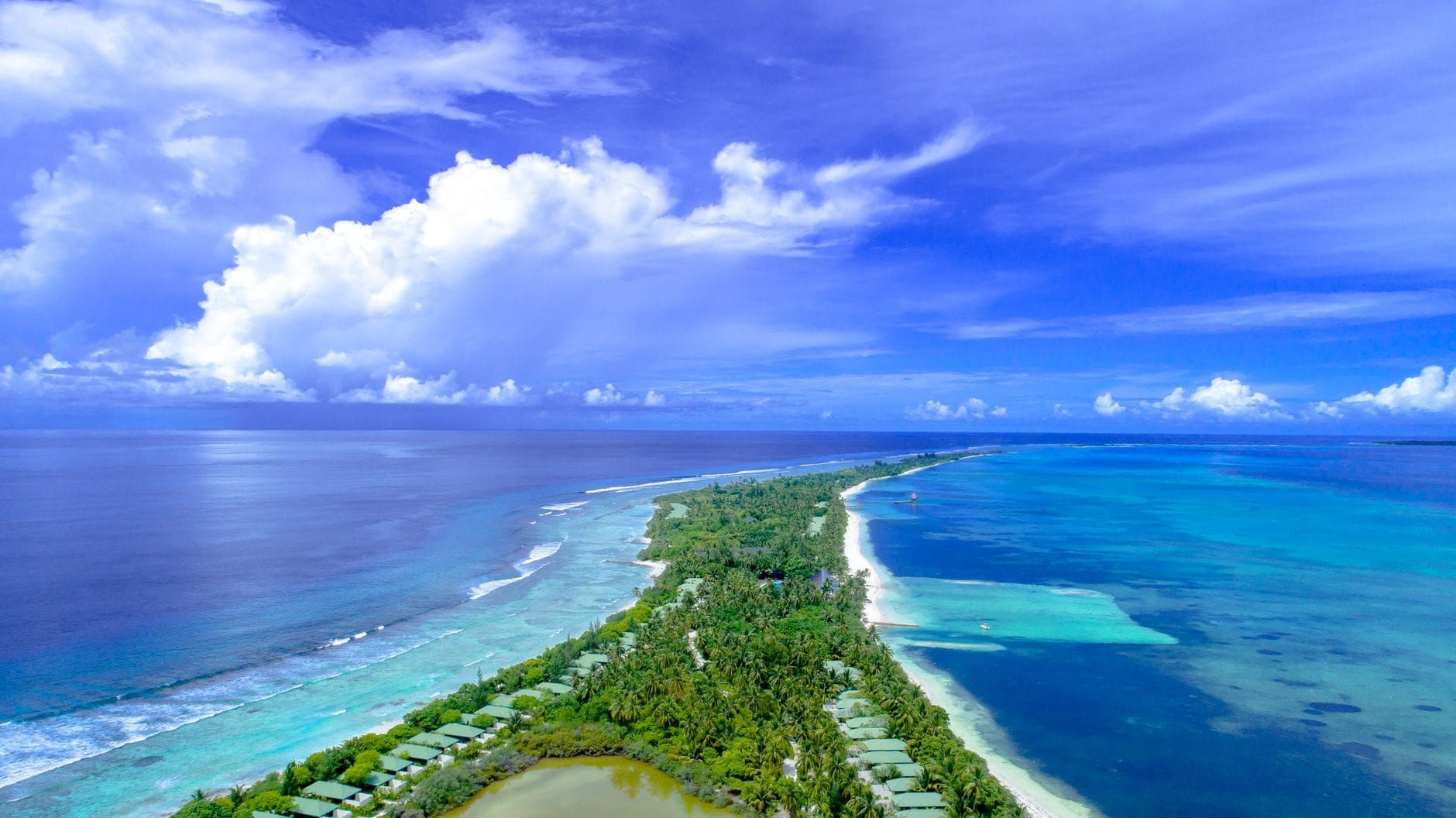
The European Union finalised in 2026 the modernisation of its Economic Partnership Agreement (EPA) with four Indian Ocean island states: Madagascar, Comoros, Mauritius and Seychelles. It is the first major update to the EU-Indian Ocean trading framework since the initial ESA EPA was signed in 2009 — and it goes well beyond goods.
More than a trade deal: a renewed relationship
The modernised EPA does not merely preserve duty-free/quota-free access to European markets for goods from the four islands — a benefit in place since 2009. It adds new chapters covering trade in services, digital trade, investment, sustainable development and gender equality. For economic operators across the islands, this is a significant opening: financial services, tourism, fisheries and ICT businesses in Mauritius, Madagascar, Seychelles and Comoros can now access the European market within a more stable, predictable legal framework.
Four islands, one unified front
The strength of this agreement lies in its regional dimension: the four countries negotiate and access the EU market together, strengthening their collective weight in trade discussions. This island solidarity — rare in the global trading landscape — also progressively harmonises regulatory standards within the zone, ultimately facilitating intra-IOI trade flows.
The most affected sectors
Agriculture (Malagasy vanilla and cloves, Seychelles tuna, Mauritian sugar cane), fisheries, tourism and financial services are at the heart of the agreement. Exporters from these islands enjoy privileged access to a market of 450 million consumers — the European Union remaining by far the primary trading partner of all four nations.
Why it matters
This agreement arrives at a pivotal moment. Diversification of trading partners — with India, China and the United States — is underway, but Europe remains the indispensable outlet. Modernising the EPA secures and deepens this relationship, giving regional businesses a stable framework on which to build export strategies for the years ahead. For Madagascar, Comoros, Mauritius and Seychelles, it is also a strong signal of their integration into the global economy — and recognition of their collective potential.