
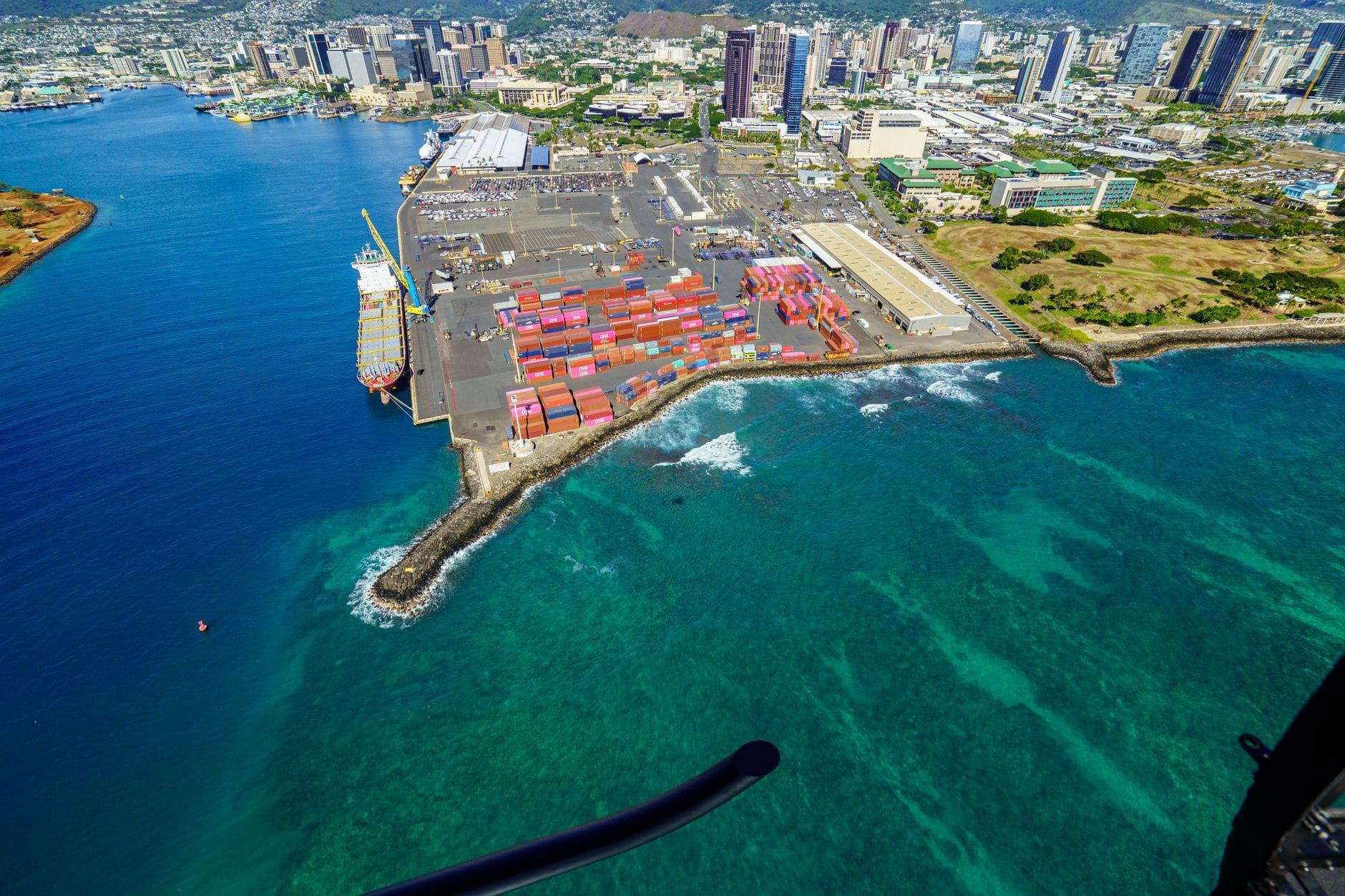
A major commercial turning point for the Indian Ocean. On 11 June 2026, the European Union and four ESA (Eastern and Southern Africa) countries — Comoros, Madagascar, Mauritius and Seychelles — concluded negotiations on an enhanced Economic Partnership Agreement (EPA). This text extends cooperation well beyond simple goods trade: it covers services, investment, public procurement, intellectual property, digital commerce and agricultural sustainability rules.
A Market of 450 Million Consumers
For businesses in the four signatory countries, the agreement opens preferential access to the European internal market of 450 million consumers — and reciprocally, facilitates EU investment and trade cooperation in the region. Services, digital and public procurement sectors, long underserved by traditional goods-focused EPAs, now benefit from a clear and binding framework.
The Réunion and Mayotte Exclusion Controversy
The agreement has not been unanimously welcomed. European Parliament Vice-President Younous Omarjee publicly condemned the negotiation process: «The European Commission moved forward toward concluding this EPA without consulting the ultraperipheral European islands of the Indian Ocean.» Réunion and Mayotte — EU territories located within the zone — were kept out of the negotiations, even though the agreement could directly affect their agricultural sectors and public procurement markets.
The MEP committed to consulting both territories before the Parliament's vote, to assess the impact on economic, social and environmental balances across the Indian Ocean.
Why It Matters
This agreement collectively repositions the four signatory islands on the global trade map. For regional SMEs, it creates real export opportunities to Europe in high-value-added sectors — digital services, certified agri-food, sustainable fisheries. But the benefits will only be tangible if member states invest in their productive and logistical capacities. Ratification — first by the EU Council, then by the European Parliament — remains the decisive step, and the controversy over Réunion's exclusion could slow the timeline.
Source: Outremers360 / EU Delegation to Mauritius / La1ère, June 2026.