
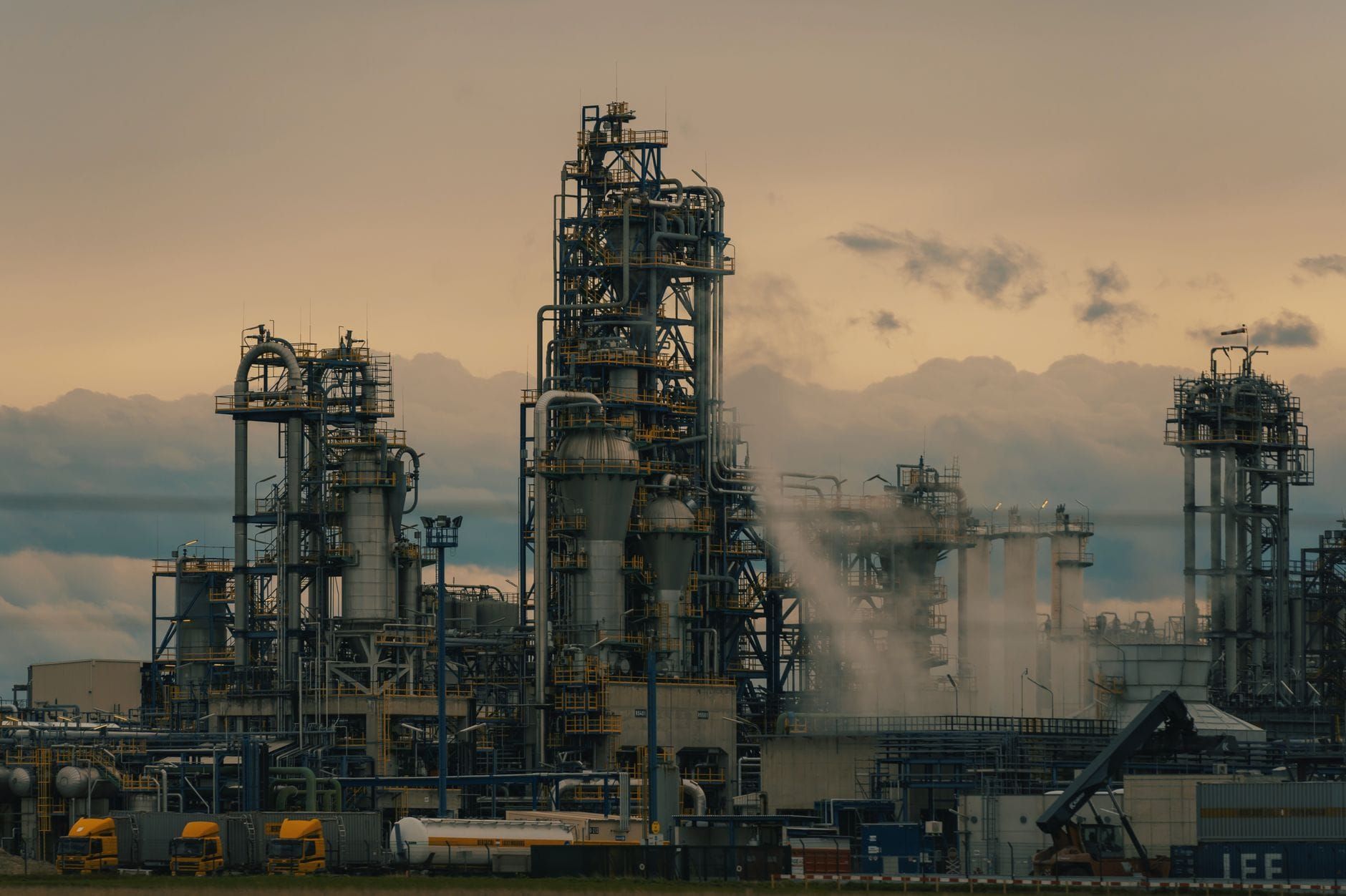
Dangote refinery in Lekki (Lagos) has finalised a $2.5 billion private placement, 3.7 times oversubscribed. The proceeds fund a massive expansion that would take refining capacity from 650,000 to 1.4 million barrels per day — potentially making it the world's largest refinery complex.
A historic fundraise for Africa
The $2.5 billion private placement, completed in July 2026 and 3.7x oversubscribed, reflects strong investor confidence. It finances an expansion of the already-operational 650,000 bpd facility to reach 1.4 million barrels per day by 2028 — a capacity that would rival the world's largest refineries.
Dangote Industries is also eyeing a $4 billion IPO in 2026, which would open equity to new African and international investors.
Nigeria breaks free from the refining paradox
Africa's largest oil producer still depends heavily on imported refined fuel — an anomaly Dangote refinery is designed to fix. By refining crude on the continent, the group captures value-added from the petroleum chain, currently extracted largely by foreign refineries.
This vertical integration strategy extends beyond Nigeria: the group is developing projects in East Africa as part of a pan-African vision of energy self-sufficiency.
A model for the continent
Nigeria's net foreign exchange inflows reached $60.8 billion in the latest reporting period (inflows $109.9bn vs outflows $49.1bn), per the Central Bank. The refinery, by reducing fuel imports, could structurally improve this balance.
Why it matters
Dangote symbolises a paradigm shift: African private capital mobilised to transform African resources on the continent. If capacity targets are met, Nigeria — and potentially its neighbours — could dramatically cut fuel import dependency. A model that oil-producing nations across the Indian Ocean, including Madagascar with its 500 petroleum blocks, are watching closely.