
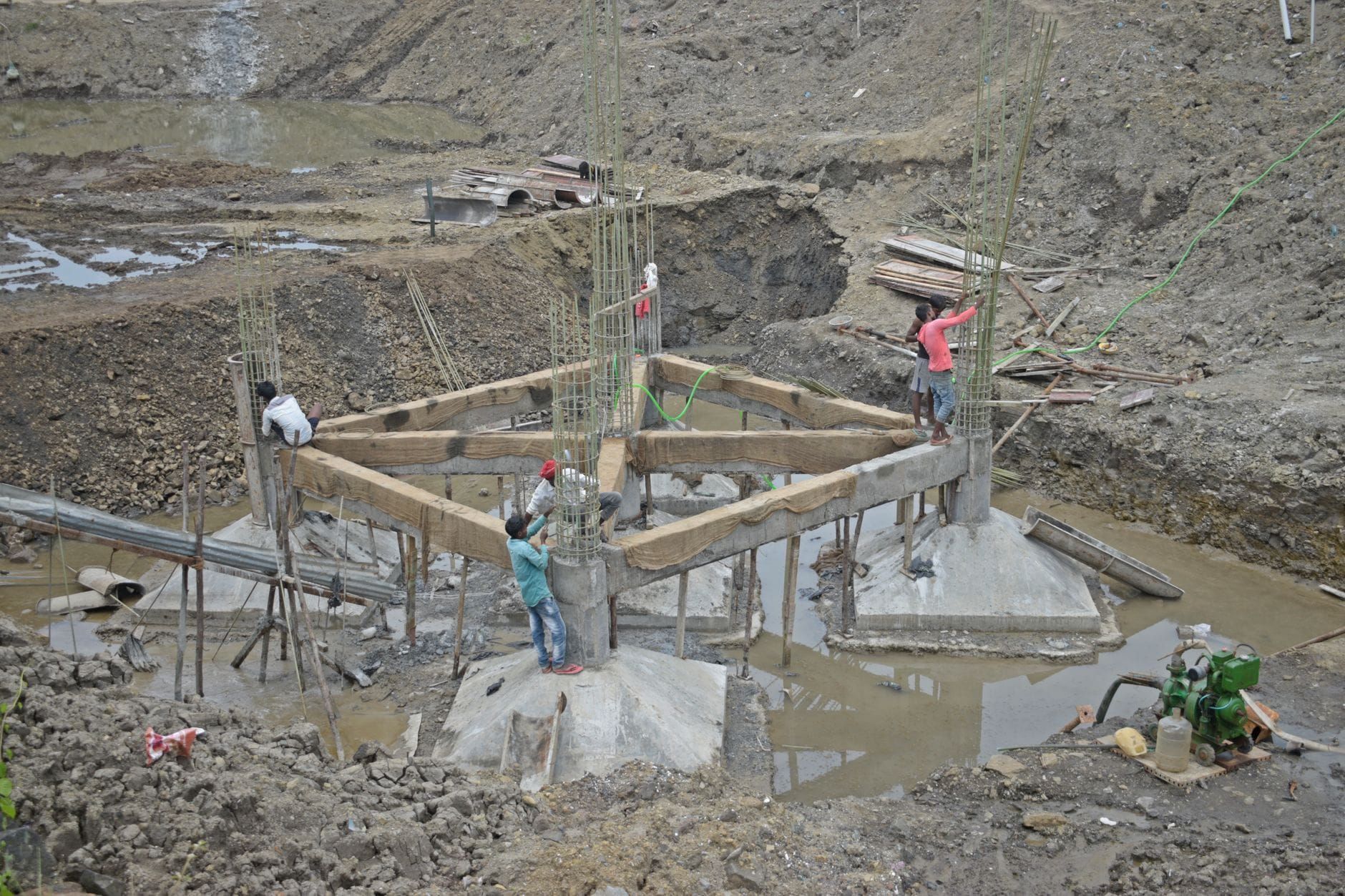
Mauritius's Economic Development Board (EDB) has published figures that command attention. Its latest project census counts Rs 649.7 billion in declared investments spread across 16 sectors and approximately 250 active projects — positioning Mauritius among the most investment-active economies in the Indian Ocean-Africa zone.
21% already committed, 79% ahead
Of the total portfolio, Rs 138.8 billion has already been disbursed, representing roughly 21% of the global amount. These funds cover construction, equipment, operations and job creation on the most advanced projects. The remaining Rs 412 billion is earmarked for « large-scale investments spanning several years », notably smart cities and long-term energy infrastructure.
Energy leads, health and education follow
The energy sector concentrates the most projects with 44 initiatives worth Rs 23 billion, directed almost entirely at renewables — solar, wind and storage. Still heavily dependent on fossil fuel imports, the island is making the energy transition a national priority aligned with its economic competitiveness goals.
Health (28 projects) and education (21 projects) complete the podium, reflecting a desire to invest in human capital as much as in physical infrastructure. Hospital, specialised clinic and higher education projects all feature in this portfolio.
A signal for international investors
These figures are published by the EDB as a transparency exercise to reassure foreign investors. By showcasing a pipeline of concrete, large-scale projects, Mauritius sends a clear message: the country is under construction, the opportunities are real, and public-private partnerships are welcome. The EDB's Top 10 global ambition for 2026-2027 rests on this demonstration of dynamism.
Why it matters
Rs 649.7 billion represents several years of Mauritius's GDP mobilised into simultaneous investment projects. That means public contracts, skilled jobs, technology transfers and opportunities for regional businesses — from Réunion, Madagascar or the Comoros — to position themselves on high-potential tenders. The pipeline is open: Indian Ocean players who know how to read it have a head start.
Sources: Le Mauricien, allAfrica, EDB — August 2026.