
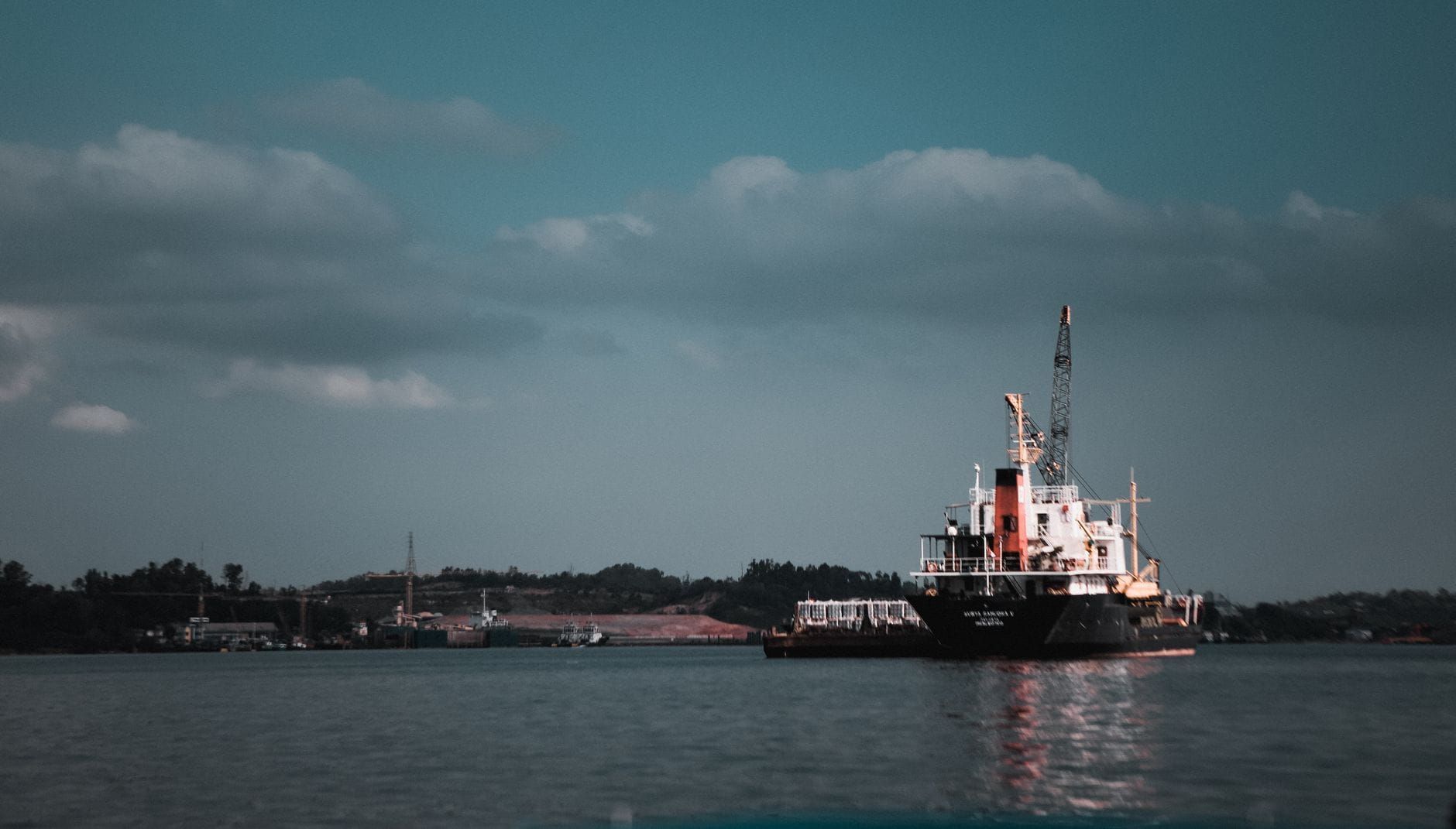
Mauritius's current account deficit deteriorated sharply in the second quarter of 2026, widening to Rs 19.1 billion from Rs 13.1 billion a year earlier — a 46% deterioration in twelve months. According to data published by Statistics Mauritius on October 5, 2026, surging hydrocarbon imports remain the primary driver of this worsening balance.
An Energy Bill Spiralling Out of Control
Merchandise imports jumped 19.5% to reach Rs 90.5 billion in Q2 2026. Fuels and lubricants account for the bulk of this increase, against a backdrop of persistent geopolitical tensions on global oil markets. Mauritius's structural dependence on imported fossil fuels remains a vulnerability that is difficult to address in the short term.
On the export side, growth remained modest at +4.3%, reaching Rs 28.9 billion. The imbalance is widening: the gross trade deficit now stands at Rs 54.1 billion for the period.
Tourism and Global Business Absorbing the Shock
The Mauritian economy nonetheless benefits from significant buffers. The services surplus stands at Rs 35.3 billion, driven primarily by tourism revenues up 7.9%, confirming the positive momentum of the first half. The Global Business sector generates net margins of Rs 7.6 billion, reflecting the enduring attractiveness of Mauritius as a financial centre.
On the capital flows side, the financial account records net inflows of Rs 20.8 billion, including Rs 16.2 billion in foreign direct investment. These flows currently finance the current account deficit without excessive drawdown on foreign exchange reserves.
Why It Matters
A current account deficit of this magnitude reveals a structural dependence on energy imports that authorities have struggled to reduce despite ambitious energy transition plans. For decision-makers and investors, this figure signals growing pressure on the Mauritian rupee and, over time, on foreign exchange reserves. The oil bill remains the primary macroeconomic risk for the remainder of 2026: any rise in crude prices would mechanically deepen the island's external imbalance.
Source: Statistics Mauritius, Q2 2026.