
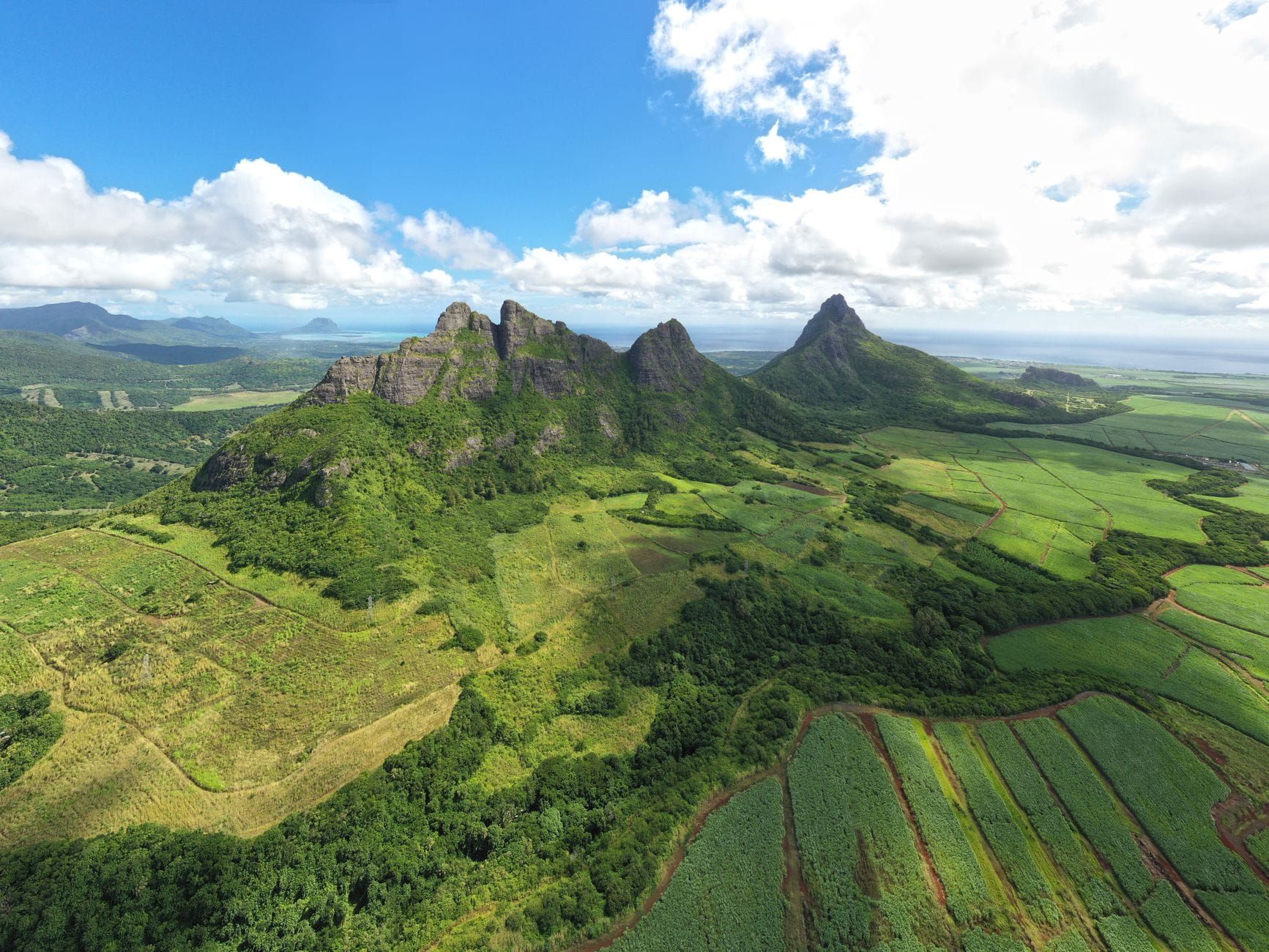
It is a project decades in the making. The Mauritian government announced on July 23, 2026 the imminent launch of construction on the M4 motorway — a 29.7-kilometre corridor linking Forbach to Bel-Air and, critically, the island's centre to Sir Seewoosagur Ramgoolam International Airport. The project, financed by India's Exim Bank as part of an 680 million dollar infrastructure programme dedicated to Mauritius, will take 30 months to complete.
A Network Stretched to Its Limits
The numbers tell the story: Mauritius's vehicle fleet has grown from 366,000 in 2009 to 760,000 in 2026, while the road network has barely changed. Prime Minister Navin Ramgoolam framed the challenge bluntly in parliament: «This growth is placing increasing pressure on a road network that has not kept pace.»
The M4 will pass through seven localities — Forbach, Rivière-du-Rempart, Pont-Blanc, Constance, Bonne Mère, Clemencia and Bel-Air-Rivière-Sèche — cutting peak-hour travel time between Forbach and Bel-Air from two and a half hours to just 30 minutes. The 2026-2027 budget allocates Rs 2 billion, against a total project cost estimated at Rs 10.8 billion (approximately $220 million).
Parliamentary Debate: Empty Coffers and Environmental Concerns
The project has faced sharp criticism. Opposition MP Joanna Bérenger questioned whether committing Rs 10.8 billion was wise given a stretched fiscal position, citing an absence of updated environmental impact studies. Questions have also arisen over the Exim Bank deal's terms, after reports surfaced that an Indian contractor was already on the ground before the credit line was formally signed.
Infrastructure Minister Ajay Gunness dismissed the concerns, stating the project «will greatly benefit local communities» and catalyse economic development across the underserved East of the island.
Why It Matters
The M4 is about far more than road infrastructure. It is the centrepiece of a 680 million dollar Indian footprint in Mauritius spanning eight separate projects — a signal of New Delhi's deepening strategic engagement in the Indo-Pacific. For Mauritius, the stakes are equally high: easing a gridlocked network while cementing a geopolitically valuable partnership. The motorway's direct link to SSR Airport is no accident; it positions Eastern Mauritius as the island's next logistics and tourism growth frontier.