
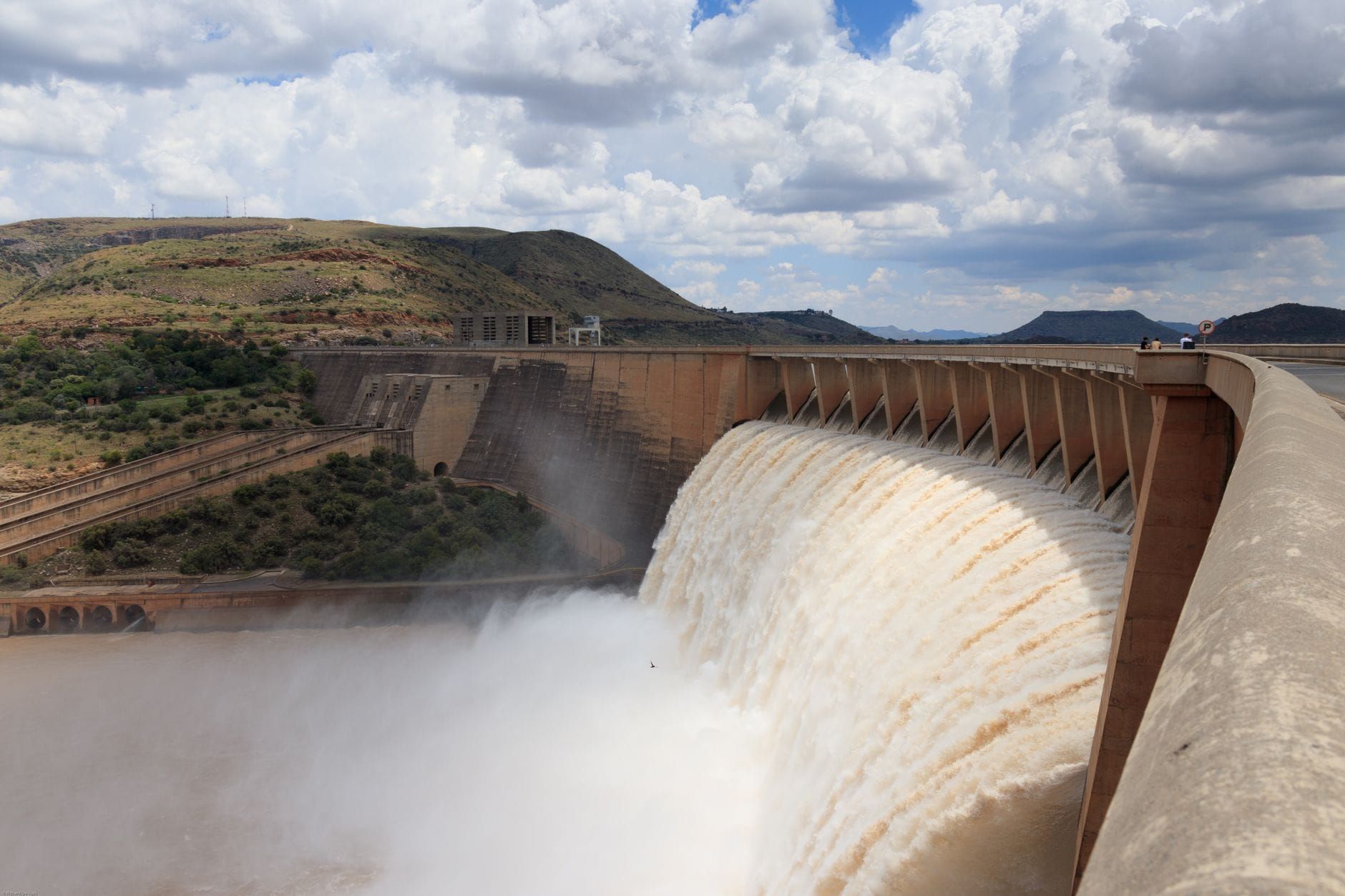
Madagascar's head of state, Colonel Michaël Randrianirina, is on a diplomatic tour in France and Belgium to revive negotiations over the Volobe hydroelectric dam, a project that has been stalled for nearly a decade on the Ivondro River (Atsinanana region). With EDF now in the consortium and EU financial backing secured, talks have been extended to June 2027.
Ten years of waiting, deadlocked on electricity pricing
The Volobe project — a dam on the Ivondro River in Madagascar's Atsinanana region — is one of the country's most strategic energy ventures. For nearly ten years, it has been blocked by a fundamental pricing dispute: the private consortium demands 17 cents per kWh, while the state offers only 9 cents. This gap, seemingly technical, determines the project's profitability, the concession duration, the state's equity stake and the overall financial structure.
EDF joins the consortium, EU commits to funding
Since Emmanuel Macron's visit to Madagascar in April 2025, Électricité de France (EDF) has joined the project consortium. This entry of a major European player has boosted the project's credibility and opened the door to stronger institutional backing: the European Union has committed to financing the project, and the EU is a key interlocutor in Colonel Randrianirina's Brussels leg of the trip.
A meeting with an EU Commission Vice-President is scheduled to address both the energy dimension and Madagascar's democratic timeline — the EU has linked its support to a referendum and presidential elections being held before end-2027.
A packed diplomatic schedule
In Paris, the head of state attended the International Space Summit at the Grand Palais, on the sidelines of which Madagascar signed a space cooperation agreement with two Chinese firms in July. Diplomatic contacts are also underway for a bilateral meeting with Emmanuel Macron — which would be their second encounter, against a backdrop of recent tensions (French diplomat expulsions in spring 2026). Commercially, the tour aims to break the deadlock on Volobe, which is conditioning hundreds of millions of euros in investment.
Why it matters
Madagascar faces a structural energy crisis: power cuts hamper businesses, deter foreign investment and undermine the country's competitiveness. Volobe represents significant hydropower capacity to electrify whole regions and support growth projected at 6% in 2026. Resolving the kWh pricing deadlock is therefore a pivotal moment: a deal before June 2027 would allow construction to begin within a timeframe consistent with the country's development goals.
Source: lexpress.mg; allAfrica.com; Madagascar economic diplomacy — September 11, 2026.