
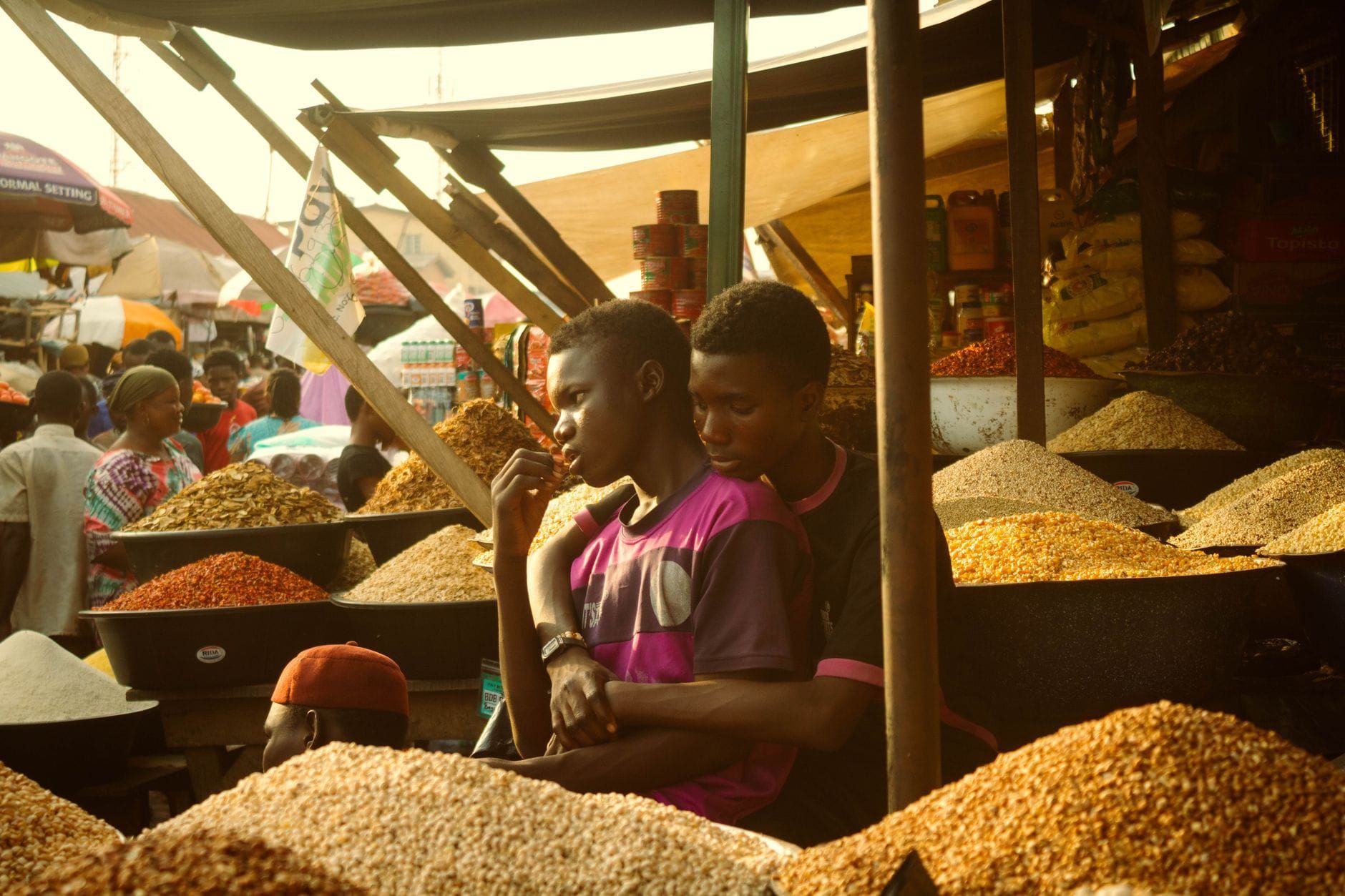
Nairobi, September 4, 2026. Kenyan President William Ruto has issued an unprecedented directive: all foreign nationals operating shops, kiosks, or hawking activities in Kenya must close their businesses by September 7, 2026. A deadline of less than a week, throwing thousands of traders into uncertainty.
A Decree That Rattles East Africa's Small Trade Sector
The directive, announced at the end of August and confirmed on September 2, explicitly targets foreign retail traders. It responds to years of pressure from Kenyan trader associations, who have denounced what they consider unfair competition from Chinese, Somali, Nigerian, and Pakistani nationals — often accused of offering below-market prices by bypassing traditional import channels.
The presidential statement indicates that small-scale retail activities — dukas (neighborhood grocery stores), kiosks, and street vending — now fall under «sectors reserved for Kenyan citizens», in line with domestic trade promotion legislation. Foreign-owned enterprises engaged in wholesale or holding significant invested capital are not targeted by this measure.
Thousands of Livelihoods at Stake
The immediate impact is massive. Thousands of traders — many of whom have been in Kenya for years, sometimes holding valid residency permits — are being ordered to liquidate their stock and close their doors within days. Several foreign communities have expressed distress, citing significant financial losses with no compensation mechanism in sight.
Kenyan trader associations, on the other hand, have welcomed the move. The Kenya National Chamber of Commerce and Industry had long called for this type of protection, arguing that foreign informal trade represents direct competition for local SMEs.
A Precedent That Alarms Regional Partners
This decree comes at a time of rising economic tensions in East Africa. Neighboring countries are watching closely, fearing trade reprisals or a contagion effect. The East African Community (EAC), which promotes the free movement of people and goods among its members, may find itself at odds with this policy direction.
Analysts also point to the risk of supply disruptions in informal markets that rely heavily on these foreign distribution networks, particularly for certain food and manufactured goods. Kenya's deadline falls on September 7 — just 72 hours from September 4 — leaving traders virtually no time to wind down operations.
Why It Matters
Kenya, East Africa's largest economy, plays a locomotive role for the region. A protectionist move in Nairobi sends an ambiguous signal to investors and trading partners: while protecting local SMEs is a legitimate goal, the method — a few days' notice with no transition or compensation — prioritizes political symbolism over orderly economic management. For entrepreneurs from the Indian Ocean diaspora active in Kenya, as well as for Malagasy or Comorian SMEs exporting to this market, the coming days will be decisive.