
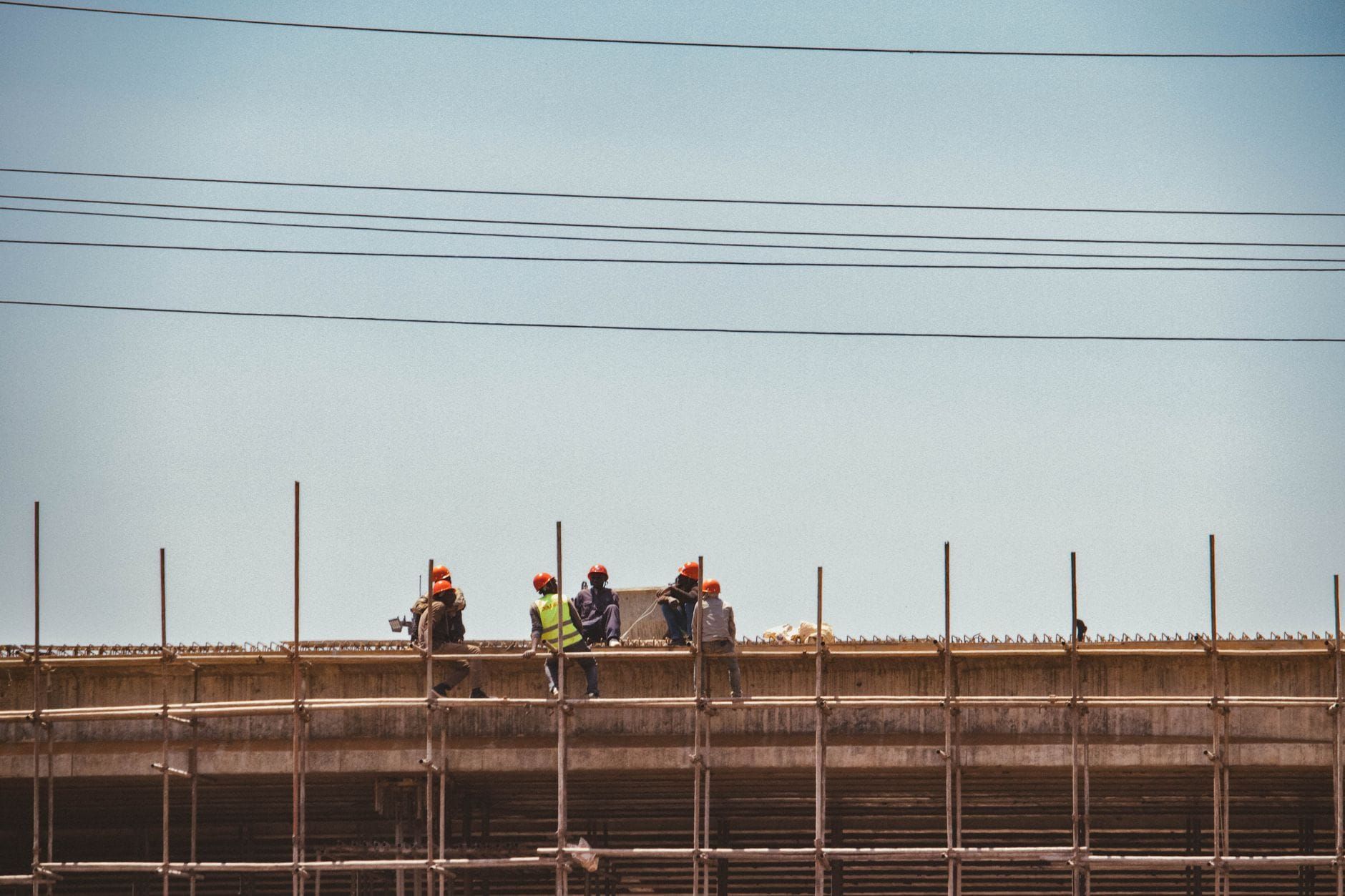
A second convoy of heavy machinery has arrived at the port of Lamu, marking a concrete new milestone for the giant refinery that the Dangote Group is building on Kenya's northern coast. The total investment is valued at $17 billion — the largest industrial project in East African history.
154 Pieces, 3,000 Tonnes, a Continental Ambition
According to World Fertilizer (2 November 2026), this second shipment comprises 154 pieces of equipment weighing approximately 3,000 tonnes in total. It follows a first delivery received in late September. Teams on the ground are progressively assembling the framework of a complex targeting a processing capacity of 700,000 barrels per day.
The production scope extends well beyond refined petroleum. The Lamu refinery will integrate fertiliser production units and a full petrochemical chain — diesel, petrol, aviation fuel, then fertilisers and industrial raw materials. The stated objective is to reduce East Africa's structural dependence on imported refined products currently shipped from Dubai, Rotterdam or Asian ports.
A Strategic Anchor in the LAPSSET Corridor
The choice of Lamu is no accident. The city is the anchor point of the LAPSSET corridor (Lamu Port–South Sudan–Ethiopia Transport), a regional logistics artery linking Kenya to Ethiopia and South Sudan via an integrated network of roads, railways and pipelines. The refinery would fit into an infrastructure web capable of supplying several border markets simultaneously.
Kenya's Treasury Permanent Secretary, Chris Kiptoo, cited this project on 2 November as tangible proof of renewed foreign investor confidence in the Kenyan economy. Foreign direct investment in the country has doubled over four years, rising from $1.5 billion to $3.2 billion (source: allAfrica, 2 November 2026).
Why It Matters
A $17 billion investment is not just an industrial record — it represents a structural transformation for the entire East African region. If the project delivers on its promises, Lamu could become the continent's leading sub-Saharan petrochemical hub, reducing energy and agricultural input costs for millions of businesses and farmers. For investors still hesitant to commit to large-scale African industrial projects, this is a signal of the first order.