
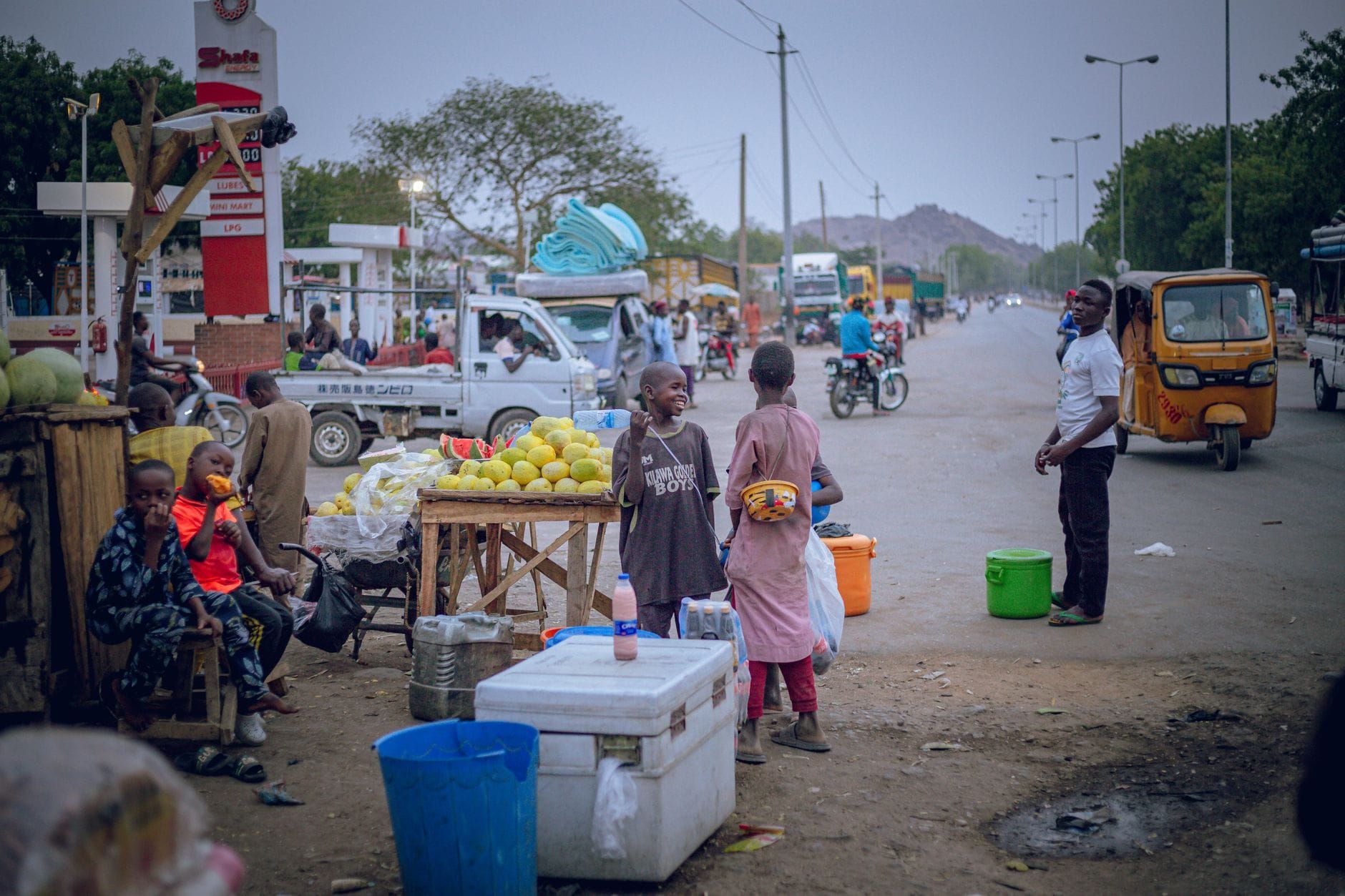
On 27 July 2026, the Comorian government promulgated a law adopted by the National Assembly on 15 June 2026: small local commerce activities will now be reserved exclusively for native-born Comorian nationals. Presented as an act of economic sovereignty, the move is sparking intense debate in the Comoros and across the region.
Which Sectors Are Affected?
The law targets activities characterised by low capital, limited annual turnover and minimal technology investment. Article 26 explicitly lists:
- Street vending and market trading;
- Small repair workshops (electronics, textiles, footwear);
- Personal local services (hairdressing, tailoring, street food).
These activities are now restricted to native-born Comorians — naturalised citizens are explicitly excluded, a provision already facing legal challenges.
The Sovereignty Argument
The Ministry of Economy defends the law on three grounds: food security (controlling distribution of essential foodstuffs), modernisation of domestic trade, and harmonisation with OHADA standards. Moroni argues that large swathes of the informal small trade sector are controlled by communities from East Africa, France and Madagascar, limiting economic opportunities for young Comorians.
A Divided Debate
Supporters note that similar protectionist laws exist elsewhere in Africa. Critics identify three risks: supply shortages in sectors where competition kept prices down; a form of reverse discrimination incompatible with regional community law; and a potential loss of skills transfer from the naturalised diaspora to the local population.
Why It Matters
The Comoros relies on diaspora remittances for approximately 25% of GDP, mostly from France. This law sends a mixed signal: on one hand, a determination to reclaim economic ownership; on the other, a risk of friction with the Franco-Comorian community that funds much of the domestic economy. The Union of Comoros is at a crossroads: between asserting sovereignty and deepening regional integration within the IOC-COMESA framework.
Sources: Comores Infos (July 2026).