
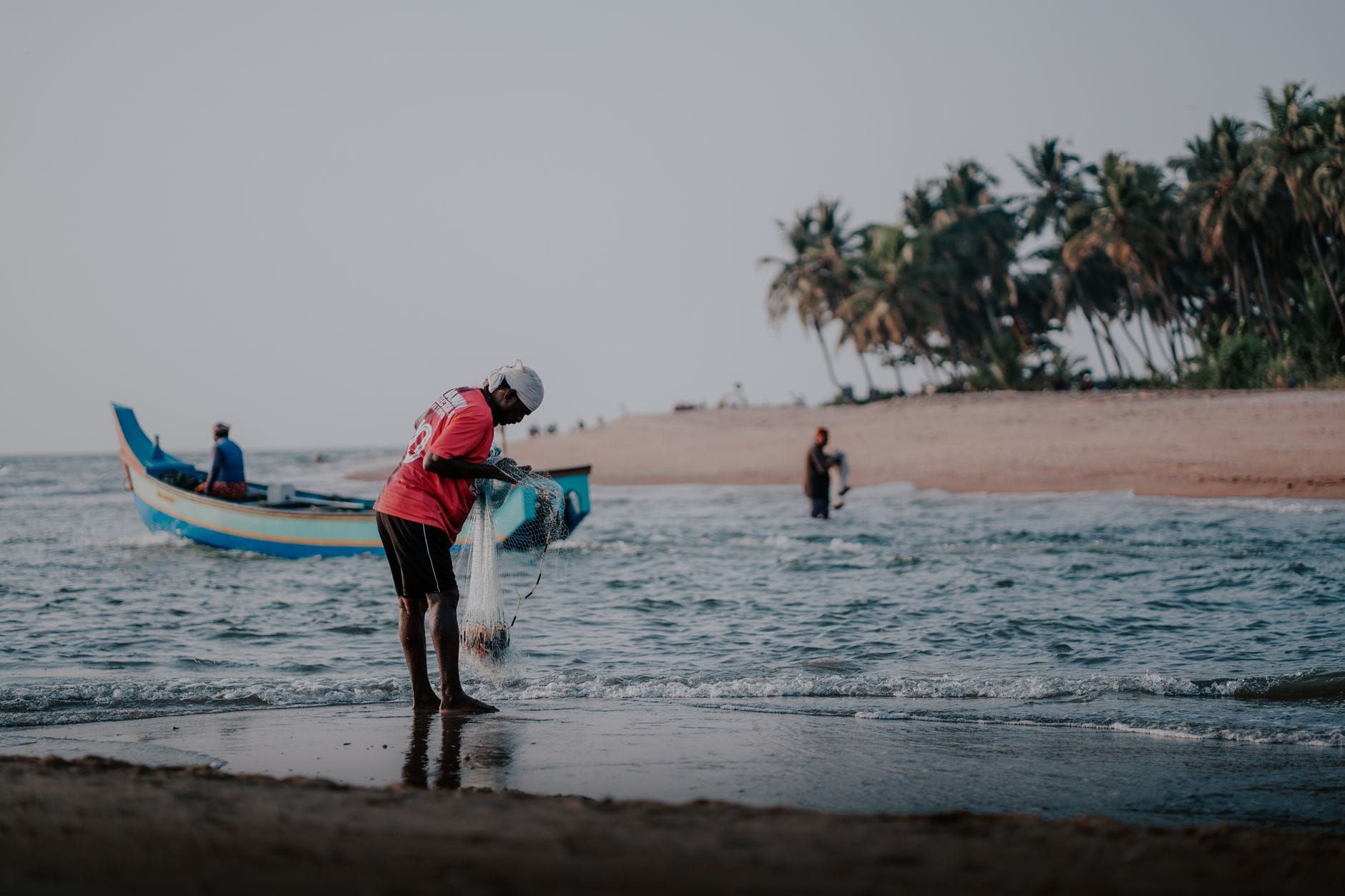
In a report published in June 2025, the World Bank identifies the blue economy as the most promising path to inclusive and sustainable growth in Comoros. With an exclusive economic zone (EEZ) of more than 800,000 km², the archipelago holds considerable marine capital — still largely untapped — that could represent 16% of GDP by 2035, up from an average of 11.4% between 2018 and 2024.
Fisheries: A Pillar to Be Developed
The fisheries sector represents an average of 11.4% of GDP in Comoros between 2018 and 2024. Its potential is far greater: with technical support and targeted investment along the value chain (processing, storage, export), the World Bank estimates that fisheries could reach 16% of GDP by 2035. Tuna, grouper, and lobster remain the main resources to be developed in regional and international markets.
Maritime Tourism: Still a Modest Contributor
Maritime tourism represents a significant opportunity: the World Bank projects a fourfold increase in visitors by 2030 if adequate investments are made in reception and transport infrastructure. Tourism's contribution to GDP could exceed 6% by 2050, compared to currently very low levels.
A Macroeconomic Context to Consolidate
The Comorian economy grew by 3.4% in 2024, projected towards 4% by 2027. Inflation, at 5.0% in 2024 (down from 8.5% in 2023), is stabilizing. The poverty rate remains high at 38.1% ($3.65/day threshold), but projections of 37.2% for 2025 indicate a positive trend. To achieve upper middle-income status by 2050, Comoros would need to target 6.1% annual growth.
Why It Matters
Comoros illustrates a paradox common to small island developing states (SIDS): considerable maritime wealth against limited institutional and financial capacity. Identifying the blue economy as the primary development driver opens prospects for regional partnerships — notably with Mauritius and Seychelles — and concessional financing that the archipelago should capitalize on.
Source: World Bank, press release 25 June 2025.