
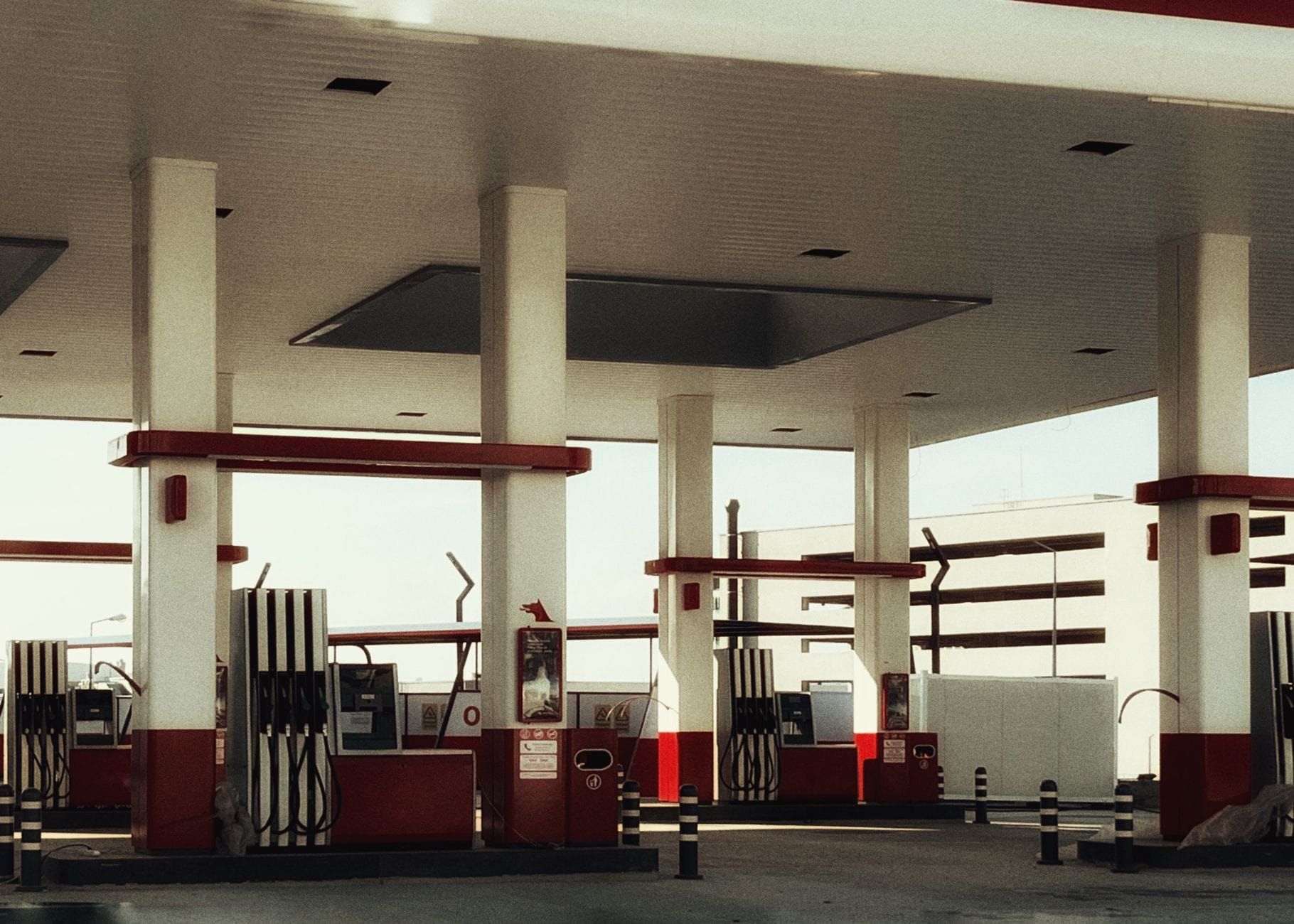
The Comoros archipelago is navigating a summer of acute energy tension. While the Société Comorienne des Hydrocarbures (SCH) insists it has maintained regular deliveries this July, Anjouan's national electricity company (Sonelec) points to insufficient fuel supplies as the cause of persistent blackouts. Amid mutual recriminations and long queues at filling stations, households and businesses are bearing the brunt.
A disputed supply chain
According to SCH's regional director, 13,100 metric tonnes were received in early July, with the next shipment due 10 August 2026. The company states that standard diesel quantities were delivered on 10 and 11 July to cover the weekend. Anjouan's Sonelec contests this account, citing fuel shortages as the trigger for the power cuts.
SCH maintains a deliberate policy of capping station allocations. Its director justifies the approach: "We know each station's typical summer volumes. We don't understand why some suddenly demand more." Private operators allege anticompetitive behaviour, accusing SCH — which controls 50% of diesel imports — of deliberately restricting deliveries to preserve its monopoly position.
A structural crisis that refuses to resolve
This is not a new situation. In late June 2026, a fuel shortage paralysed parts of the Comorian economy, cut off water supplies (pumps require 12 continuous hours of power) and forced the government to reverse a fuel price increase announced on 9 May. The cap imposed at Moroni stations — a maximum of 3,000 litres per day — reflects the fragility of an archipelago entirely dependent on Gulf imports.
Sonelec's outstanding debt to SCH, estimated at 429 million Comorian francs as of 2022, remains a core structural issue. Without debt settlement, the supply chain stays vulnerable to payment delays — as demonstrated in May when a tanker sat offshore at Moroni awaiting a wire transfer.
A diffuse but real economic toll
Beyond the institutional dispute, it is SMEs and traders who absorb the shocks. Frozen supply chains, overheating generators, paralysed transport networks: energy shortages quickly translate into revenue losses across the local economy. The annual return of the diaspora during the summer holidays further amplifies a demand pressure that is already chronic.
Why it matters
The Comorian crisis mirrors a vulnerability shared across the Indian Ocean: total import dependence for energy, long supply chains, and subsidy mechanisms that are fiscally unsustainable. Building strategic storage capacity and diversifying suppliers are priority workstreams for the entire region — Mauritius, Madagascar and the Seychelles face similar challenges to varying degrees.