
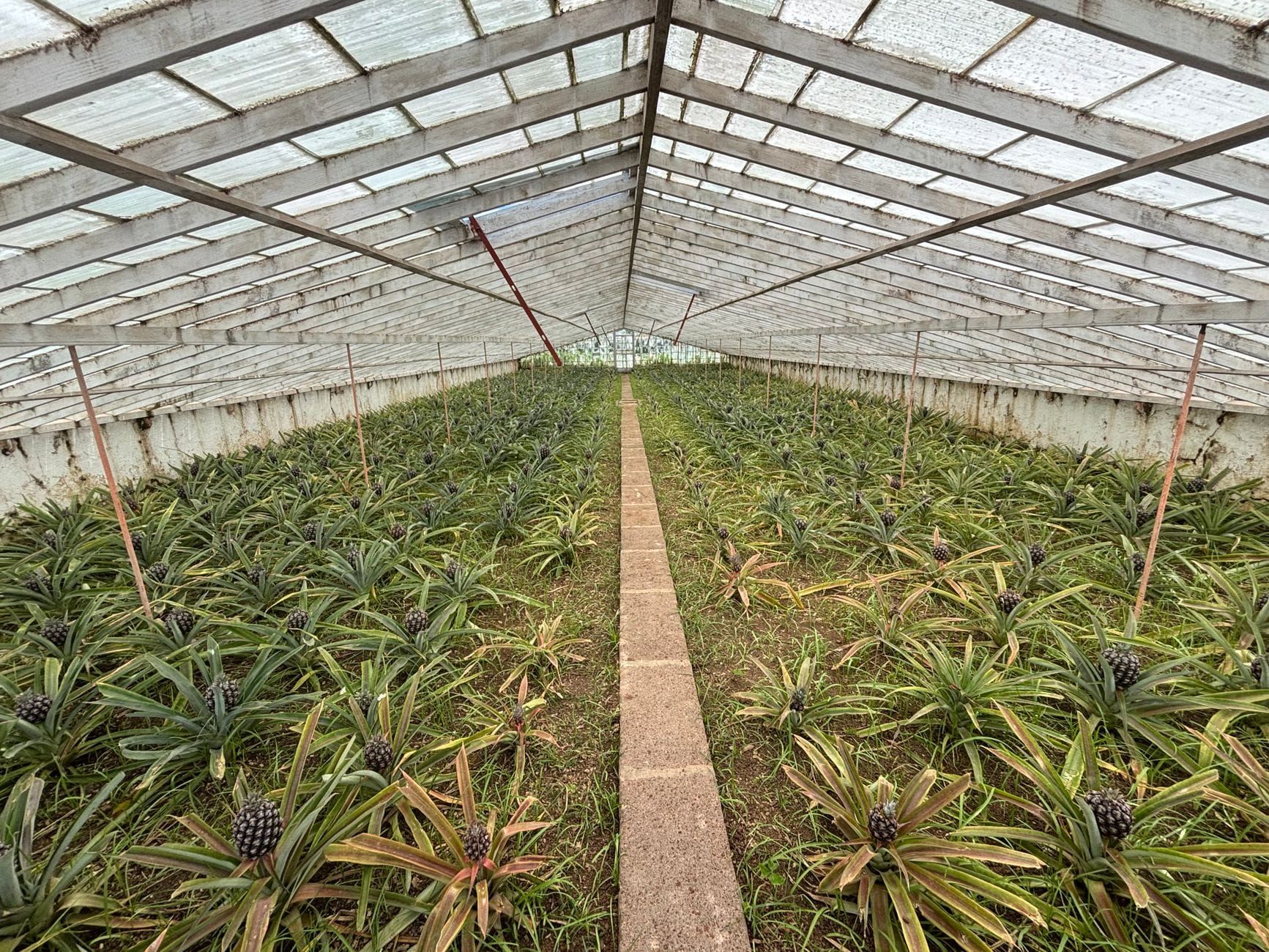
The Comorian government has announced a total tax exemption on agricultural inputs — seeds, fertilisers, and phytosanitary products. The measure is presented as a priority lever to strengthen food self-sufficiency in an archipelago that still imports a significant share of its food.
An Archipelago Under Food Pressure
The Comoros imports a substantial portion of its staple foods. The food import bill weighs on the balance of payments and undermines the purchasing power of the most vulnerable households. Rising global commodity prices — amplified by geopolitical tensions since 2022 — have raised the cost of agricultural inputs, discouraging many small producers from investing in their farms.
The announced total tax exemption aims to remove this barrier. By eliminating taxes on improved seeds, fertilisers, and phytosanitary products, the state intends to make agriculture competitive against imports and give farmers the tools to increase their yields.
A Legislative Framework Under Construction
The tax measure is part of a broader effort to structure the sector. The government, with support from the AEFPF-Comoros emergency project financed by international donors, is simultaneously developing a specific law on agricultural inputs. This legislation notably provides for the creation of a National Agricultural Inputs Authority (ANIA), responsible for controlling the quality of marketed products, certifying suppliers, and preventing fraud.
An agricultural solidarity fund — to compensate producers in the event of natural disasters — is also being prepared, according to project documents consulted. A critical issue for a volcanic archipelago regularly hit by cyclones and droughts.
Why It Matters
For decision-makers and agricultural investors in the Indian Ocean, the Comoros remains a niche market, but sending a clear signal in favour of local production could change the equation. A more competitive agriculture reduces imports, stabilises consumer prices, and creates rural jobs in a country where more than 40% of the population still lives from farming.
The ANIA, if adequately resourced, could also open the door to better structured and more profitable export supply chains (ylang-ylang, vanilla, cloves) for Comorian farmers.
Sources: Regional Press Review – Indian Ocean, July 24, 2026 (Free Dom) / AEFPF-Comoros Project / La Gazette des Comores.